
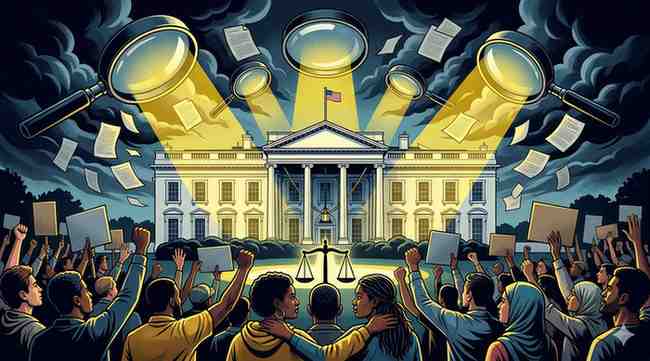
The ongoing release of sealed Jeffrey Epstein documents has prompted First Lady Melania Trump to publicly deny any personal connections to the convicted sex trafficker while calling for formal hearings to give survivors a platform. The development marks a significant shift in how the White House is addressing mounting pressure from advocacy groups and lawmakers
The ongoing release of sealed Jeffrey Epstein documents has prompted First Lady Melania Trump to publicly deny any personal connections to the convicted sex trafficker while calling for formal hearings to give survivors a platform. The development marks a significant shift in how the White House is addressing mounting pressure from advocacy groups and lawmakers demanding accountability for those named in the files.
New Delhi, April 2026 — The United States government faces intensifying domestic and international pressure as newly unsealed documents from the Jeffrey Epstein case continue to implicate high-profile figures, forcing the White House into an unprecedented public response regarding the long-running scandal.
Why Has the First Lady Issued a Public Statement?
Melania Trump’s statement denying ties to Epstein represents the first direct response from the current First Family since document releases accelerated earlier this year. Legal analysts note that such proactive denials from sitting White House officials are exceptionally rare in ongoing judicial matters. The statement also included an endorsement of congressional hearings focused on survivor testimony, a position that aligns her publicly with victim advocacy organisations. This marks a notable departure from the administration’s earlier approach of declining comment on Epstein-related matters.
What Do the Latest Document Releases Reveal?
The unsealed files, released pursuant to court orders following sustained litigation by media organisations, contain flight logs, correspondence, and deposition excerpts naming dozens of public figures. While inclusion in these documents does not imply criminal wrongdoing, the revelations have reignited debates about accountability and the statute of limitations for trafficking-related offences. Several named individuals have issued denials, while others have remained silent pending legal consultation.
- Over 170 names have appeared across multiple document tranches released since January 2026
- Survivor advocacy groups have formally requested congressional hearings in both chambers
- Three US states are considering legislation to extend civil liability windows for trafficking survivors
- International law enforcement agencies have reopened inquiries based on new evidence
- The US Department of Justice has not announced any new criminal investigations
How Are Survivor Advocates Responding?
Organisations representing Epstein survivors have welcomed the First Lady’s endorsement of formal hearings while cautioning against politicisation of the process. Legal representatives for several victims emphasised that congressional testimony could establish a public record that aids ongoing civil litigation. Advocacy groups have also called for independent investigations into potential obstruction by individuals seeking to prevent document releases. The Survivors’ Justice Coalition has submitted formal testimony requests to relevant Senate committees.
What Happens Next?
Congressional leadership has indicated that preliminary discussions regarding hearing formats are underway, though no dates have been confirmed. Legal experts anticipate additional document releases throughout 2026 as courts process outstanding motions from journalists and researchers. The administration’s willingness to engage publicly suggests a strategic calculation that transparency may prove less politically damaging than perceived concealment. For India and other nations with citizens named in the files, diplomatic sensitivities may complicate international cooperation on any resulting investigations.











Leave a Comment
Your email address will not be published. Required fields are marked with *