
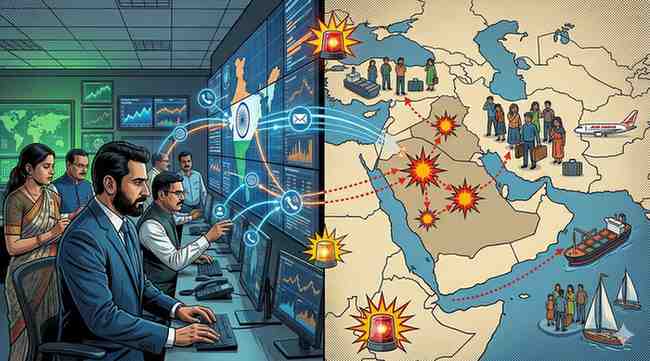
India has established a multi-ministry emergency coordination mechanism following escalating military tensions in West Asia that threaten approximately 8.5 million Indian nationals in the Gulf region and critical oil supply routes. The government is preparing contingency evacuation plans while engaging diplomatically with all parties to protect Indian interests and citizens abroad. New Delhi, April 2026
India has established a multi-ministry emergency coordination mechanism following escalating military tensions in West Asia that threaten approximately 8.5 million Indian nationals in the Gulf region and critical oil supply routes. The government is preparing contingency evacuation plans while engaging diplomatically with all parties to protect Indian interests and citizens abroad.
New Delhi, April 2026 — The Ministry of External Affairs, alongside the Defence and Petroleum ministries, has activated an integrated crisis response cell to monitor rapidly deteriorating security conditions across West Asia, marking India’s most comprehensive diplomatic mobilisation in the region since the 2015 Yemen evacuation.
Why Has India Escalated Its Response Now?
The inter-ministerial coordination follows reports of expanded military operations that now threaten shipping lanes in the Strait of Hormuz, through which India imports nearly 60 percent of its crude oil. Intelligence assessments shared with senior officials indicate heightened risks to Indian workers concentrated in the UAE, Saudi Arabia, Qatar, and Kuwait. The government has instructed Indian missions across the Gulf to update citizen registration databases and identify potential evacuation routes through land, sea, and air corridors.
What Are the Key Concerns for India?
- Approximately 8.5 million Indian nationals reside in Gulf Cooperation Council countries, representing the largest diaspora concentration globally
- India imports over 85 percent of its crude oil, with West Asian suppliers accounting for the dominant share
- Annual remittances from the Gulf exceed $35 billion, forming a critical component of India’s current account
- Strategic Petroleum Reserves currently hold roughly 39 days of import cover
- Indian Navy assets in the Arabian Sea have been placed on elevated readiness status
How Is the Government Preparing Diplomatically?
External Affairs Ministry officials have initiated parallel diplomatic channels with conflicting parties, emphasising India’s position of strategic neutrality. Senior diplomats have conveyed messages urging de-escalation through ambassadorial contacts in multiple regional capitals. India’s approach draws from its balanced West Asia policy, which has historically maintained constructive ties with Iran, Israel, Saudi Arabia, and the UAE simultaneously. The Prime Minister’s Office is receiving hourly situation updates as tensions remain fluid.
What Happens Next?
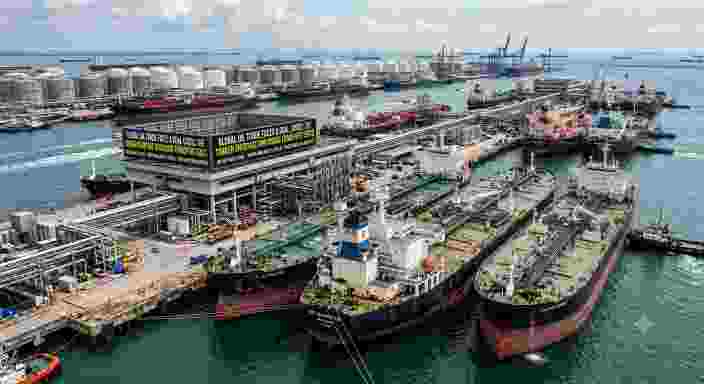
The petroleum ministry has begun preliminary discussions with alternative suppliers in Russia and Africa to diversify import sources should Gulf shipments face disruption. Indian Oil Corporation and other public sector refiners have been directed to maximise inventory levels at coastal storage facilities. Aviation authorities are reviewing contingency plans for mass evacuation flights similar to Operation Raahat and Vande Bharat. Diplomatic sources suggest India may offer to host mediation talks, leveraging its credibility with multiple stakeholders to position itself as a stabilising force in the crisis.











Leave a Comment
Your email address will not be published. Required fields are marked with *