
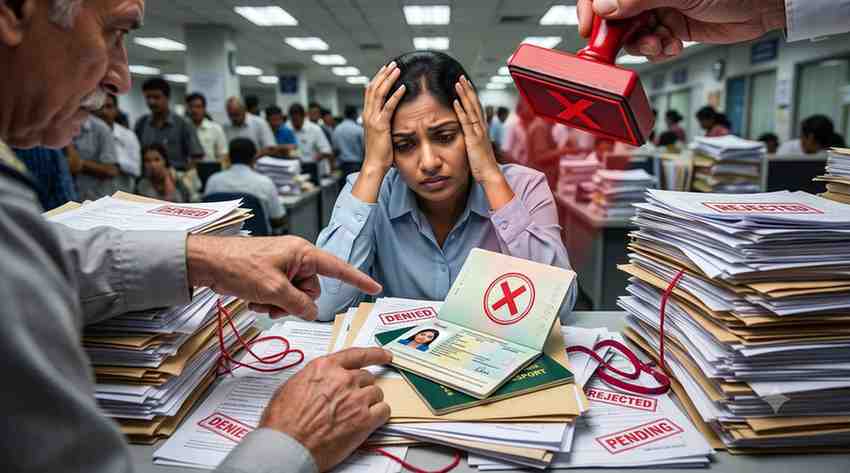
New Delhi, July 2026 — For most, a passport is a simple gateway to international travel. However, a recent account from a citizen highlights a frustrating reality: for many Indians, the path to obtaining this essential document is paved with complex bureaucratic traps, excessive costs, and systemic inefficiencies. The “Name Mismatch” Trap The ordeal typically
New Delhi, July 2026 — For most, a passport is a simple gateway to international travel. However, a recent account from a citizen highlights a frustrating reality: for many Indians, the path to obtaining this essential document is paved with complex bureaucratic traps, excessive costs, and systemic inefficiencies.
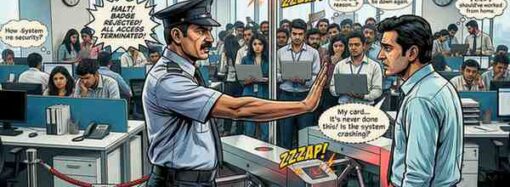
The “Name Mismatch” Trap The ordeal typically begins at the Passport Seva Kendra (PSK). Applicants often find their journey stalled by minor discrepancies between their current identification and their 10th-grade mark sheet—a document authorities consider non-negotiable. In this case, the applicant was flagged because her school certificate lacked a surname, while her application form included it. Because schools and examination boards strictly limit the timeframe for name alterations to three years post-graduation, many citizens find themselves locked in a bureaucratic deadlock with no simple way to update their records.
The Cost of “Official” Proof When digital systems fail to account for real-world naming conventions, the burden falls on the citizen. To resolve the discrepancy, the applicant was forced to navigate a costly and time-consuming process:
- Legal Hurdles: Obtaining a court-ordered affidavit.
- Public Announcements: Publishing formal name-change notifications in both local and national newspapers.
- Administrative Errors: Due to vague guidance from officials, the applicant had to repeat the entire newspaper publication cycle after the first set of advertisements was deemed “faulty” by the passport office.
Ultimately, what should have been a ₹1,500 government process spiraled into a ₹10,000 ordeal—nearly seven times the standard cost.
Travel, Time, and the Privilege Gap The bureaucracy did not end at the initial center. When the application was moved from “routine” to “exception,” the applicant was required to travel from her home district of Mandi to the regional office in Shimla. This necessitated taking days off work, arranging travel, and securing accommodation. For a citizen without local contacts or financial safety nets, such a process is not just difficult—it is a barrier to entry.
Who Does the System Serve? This struggle raises a poignant question about inclusivity. If an educated, resourceful citizen is forced to spend nearly ₹10,000 and travel hundreds of kilometers to fix a simple clerical name mismatch, what happens to those who lack a 10th-grade certificate, financial means, or the ability to navigate complex legal jargon?
Bottom Line The passport process, as it stands, rewards those with privilege and penalizes those who do not fit into rigid, digitized data fields. It is a system that demands immense personal sacrifice for a basic right, leaving many to wonder if the bureaucracy is designed to verify citizens or to simply exhaust them.






Leave a Comment
Your email address will not be published. Required fields are marked with *