
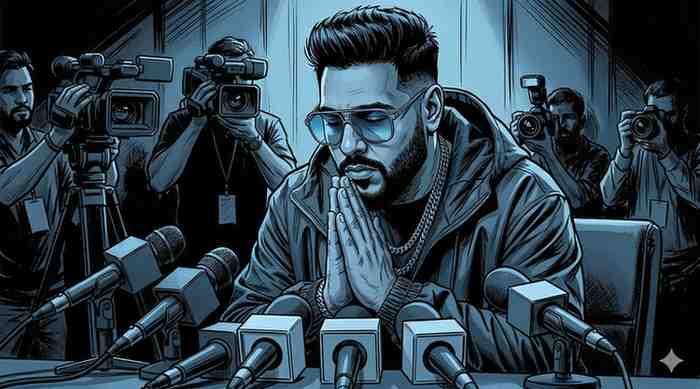
Bollywood rapper Badshah has publicly apologised for his song ‘Tateeree’ following widespread criticism over its allegedly objectifying lyrics, pledging financial support for girls’ education initiatives across India. The move reignites debate over accountability in the Indian music industry and whether such gestures translate into meaningful cultural change. New Delhi, April 2026 — Popular hip-hop artist
Bollywood rapper Badshah has publicly apologised for his song ‘Tateeree’ following widespread criticism over its allegedly objectifying lyrics, pledging financial support for girls’ education initiatives across India. The move reignites debate over accountability in the Indian music industry and whether such gestures translate into meaningful cultural change.
New Delhi, April 2026 — Popular hip-hop artist Badshah has committed to funding girls’ education programmes after facing intense backlash over his recent track ‘Tateeree,’ marking one of the most significant public accountability moments in Indian pop music this year.
Why Did Badshah Face Criticism?
The song ‘Tateeree,’ released earlier this month, drew immediate condemnation from women’s rights organisations and social media users who argued its lyrics perpetuated harmful stereotypes about women. The National Commission for Women had reportedly received multiple complaints urging action against the track. Critics pointed out that such content from mainstream artists normalises regressive attitudes, particularly among younger audiences who form Badshah’s core fanbase.
What Has the Artist Pledged?
In a video statement circulated across social media platforms, the rapper acknowledged the hurt caused by the song’s content and announced concrete reparative measures. He has committed to supporting girls’ education through partnerships with established NGOs, though specific financial figures remain undisclosed. The artist also indicated he would be more mindful of lyrical content in future releases.
- Badshah publicly apologised for lyrics deemed offensive to women
- The rapper announced financial support for girls’ education initiatives
- NCW had received complaints against the track prior to the apology
- This marks a rare instance of a mainstream Indian artist taking accountability for problematic content
- The incident has sparked broader industry conversations about lyrical responsibility
Does the Music Industry Have an Accountability Problem?
India’s film and independent music sectors have long faced accusations of misogyny in lyrics, with few artists facing tangible consequences. Cultural commentators note that while streaming platforms have content guidelines, enforcement remains inconsistent. The Federation of Western India Cine Employees has previously resisted calls for lyrical oversight, citing artistic freedom concerns. However, growing social media activism has increasingly pressured artists to self-regulate.
What Happens Next?
Badshah’s apology sets a precedent that could influence how the Indian music industry responds to future controversies. Advocacy groups are now calling for streaming platforms to implement clearer content warnings and for record labels to establish review mechanisms. Whether this moment catalyses systemic change or remains an isolated gesture will depend largely on whether audiences and industry stakeholders sustain pressure for accountability beyond the current news cycle.










Leave a Comment
Your email address will not be published. Required fields are marked with *