
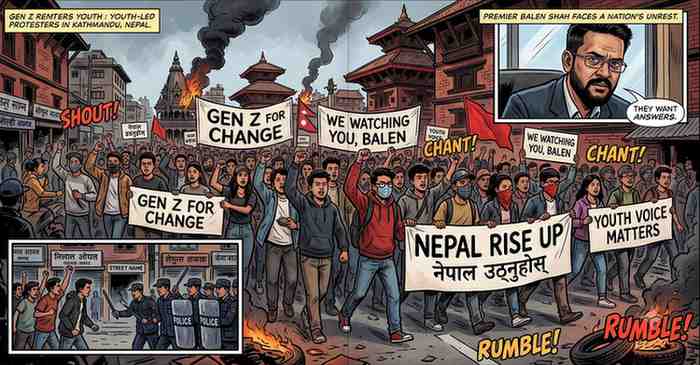
Kathmandu, July 2026 — The historic rise of Nepal’s Prime Minister Balen Shah is facing its toughest test yet. In a striking twist of political fortune, the same Gen Z student and youth movements that aggressively dismantled the nation’s old political order last year to sweep Shah into power have now returned to the streets—this
Kathmandu, July 2026 — The historic rise of Nepal’s Prime Minister Balen Shah is facing its toughest test yet. In a striking twist of political fortune, the same Gen Z student and youth movements that aggressively dismantled the nation’s old political order last year to sweep Shah into power have now returned to the streets—this time, targeting his own government.
The Spark: The Death of Ganesh Nepali The immediate catalyst for the widespread unrest was the tragic death of Ganesh Nepali, a 25-year-old ride-sharing driver. Following an encounter with local police that resulted in intense public humiliation, Nepali took the extreme step of self-immolating outside Kathmandu’s Department of Passport, later succumbing to his severe injuries.
For the youth, this tragedy rapidly became a dark symbol of a wider, unchanging reality:
- Systemic Apathy: The incident underscored that despite a change in top leadership, the lower-level bureaucracy and policing remain insensitive and heavy-handed.
- Abuse of Authority: Protesters argue the current administration is failing to deliver the compassionate, citizen-friendly governance they were explicitly promised.
The Encroachment Crackdown Compounding the fury is Prime Minister Shah’s aggressive urban renewal drive. In a bid to enforce municipal laws, the government has deployed bulldozers to clear illegal encroachments, structural violations, and unauthorized settlements along Kathmandu’s riverbanks.
While the administration defends these actions as necessary steps toward modern urban planning and restoring public land, young activists see a lack of social justice. They argue the state is forcibly evicting low-income families without providing adequate rehabilitation or housing alternatives, triggering a major human rights debate.
High Expectations Meet Reality Shah, a civil engineer and former rapper, built his reputation as a highly efficient, anti-corruption technocrat during his tenure as Kathmandu’s mayor. This background led the digital generation to expect overnight transformations across Nepal.
Instead, the reality of governing has set in. Activists are increasingly frustrated by the slow pace of institutional reform, rigid bureaucratic delays, and a stagnant economy. With inflation rising and thousands of educated youths still forced to migrate abroad annually for basic employment, the patience of the young electorate has worn thin.
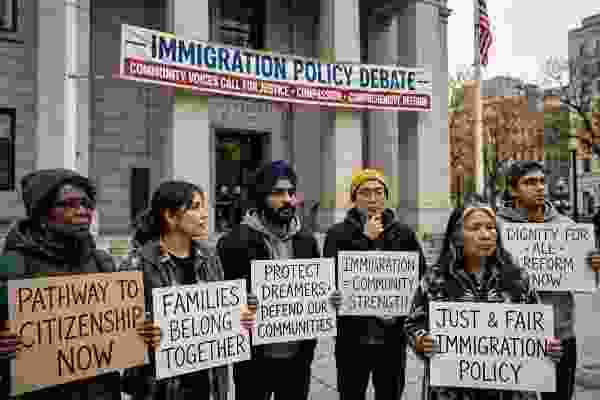
What the Protesters Want Hundreds of demonstrators occupying major intersections in the capital have put forward clear demands:
- An independent, transparent investigation into the death of Ganesh Nepali and accountability for the officers involved.
- An immediate halt to forced evictions until proper, structured rehabilitation packages are guaranteed for displaced families.
- The immediate release of all youth activists detained during the recent street clashes.
Bottom Line: The street protests signal a sharp warning for Balen Shah’s administration. In an era where the youth are digitally connected and highly mobilized, political leaders are no longer granted long honeymoons. For Nepal’s Gen Z, the fight was never just about changing the faces in the prime minister’s office—it was about changing how the system treats its people. If the government fails to pivot from rigid enforcement to active reform, the very movement that built Shah’s political career could swiftly undo it.




Leave a Comment
Your email address will not be published. Required fields are marked with *