
NEW DELHI: Securing a top rank in a state civil services exam is a massive achievement. Doing it in two states simultaneously is extraordinary. Viral Sharma, who recently grabbed Rank 7 in the Uttarakhand PCS to become an SDM and also cleared the Bihar PCS, attributes his massive success to a highly overlooked element of
NEW DELHI: Securing a top rank in a state civil services exam is a massive achievement. Doing it in two states simultaneously is extraordinary. Viral Sharma, who recently grabbed Rank 7 in the Uttarakhand PCS to become an SDM and also cleared the Bihar PCS, attributes his massive success to a highly overlooked element of preparation: structured peer group interactions.
Speaking with StudyIQ IAS, Sharma broke down how micro-group discussions and daily mock cycles transformed his interview preparation from a stressful ordeal into a smooth process.
The Power of Small, Like-Minded Circles
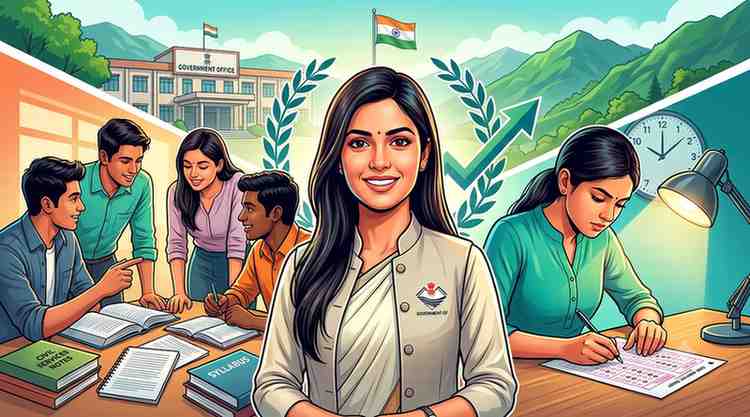
While many aspirants heavily rely on expensive coaching centers, Sharma’s game-changer was a focused peer group. Under StudyIQ’s Interview Guidance Program managed by Chief Mentor Anil Swarup, candidates were placed into structured WhatsApp groups of 15 to 16 people based on their language preferences and optional subjects.
Instead of generic debates, these small circles engaged in targeted daily routines:
- Pre-Decided Topics: Group members agreed on current affairs topics from daily newspapers ahead of time.
- Building a Viewpoint: Daily discussions forced every individual to formulate distinct opinions.
- Why it matters: Civil service interview boards do not just test facts; they test your perspective. Continuous peer discussion naturally shapes a mature, balanced viewpoint on critical national and global issues.
The 45-Minute Daily Grilling Session
Beyond analyzing the news, Sharma’s group organized a rigorous internal mock interview ecosystem. Every single day, the group dedicated 40 to 45 minutes to interviewing just one member of the circle.
Because the panel consisted of 15 different minds, the candidate was exposed to an immense variety of unexpected questions. This comprehensive process thoroughly mapped out potential questions based on each candidate’s Detailed Application Form (DAF).
Hard Truths and Behavioral Corrections
An underrated advantage of close peer groups is receiving raw, unfiltered feedback. Sharma admitted that he faced a significant behavioral roadblock during early trials.
“When I spoke initially, my facial expression was extremely serious, and I didn’t smile at all,” Sharma recalled. His peer group flagged this cold demeanor immediately. To fix it, Sharma initiated daily mirror practice, consciously monitoring his expressions to build a warm, approachable presence.
Giving Back: A Vision for Rural Aspirants
Having spent over three years navigating the grueling civil services cycle from his village, Sharma is well aware of the structural disadvantages rural candidates face.
Now preparing to assume his role as a Sub-Divisional Magistrate (SDM) in Uttarakhand, Sharma has clear grassroots priorities:
- Free Public Libraries: He intends to establish free libraries at the sub-division level to grant village students access to quality study materials.
- Weekend Mentorship: Sharma plans to spend his free weekends personally mentoring and guiding local civil services aspirants.
The Bottom Line
Viral Sharma’s journey highlights that cracking the interview stage is not an isolated endeavor. Daily interactions with disciplined, serious peers refine both an aspirant’s knowledge base and presentation style, ultimately turning raw effort into a rank-winning performance.











Leave a Comment
Your email address will not be published. Required fields are marked with *