
India has activated a multi-ministry emergency response framework to protect over 8.5 million Indian nationals living in West Asia amid rapidly escalating regional hostilities. The government is coordinating diplomatic channels, evacuation logistics, and economic contingency measures as tensions between Iran and Israel threaten to destabilise the entire Gulf region. New Delhi, April 2026 — The
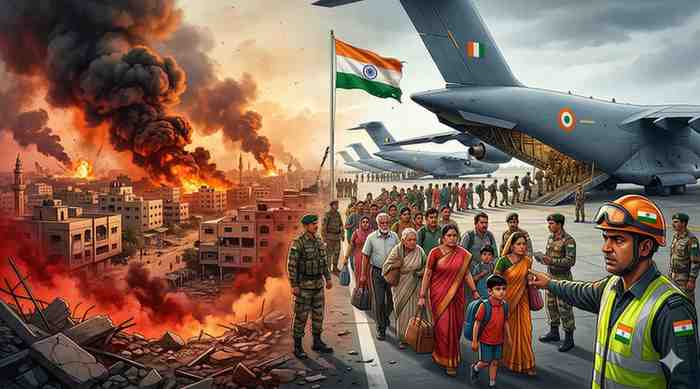
India has activated a multi-ministry emergency response framework to protect over 8.5 million Indian nationals living in West Asia amid rapidly escalating regional hostilities. The government is coordinating diplomatic channels, evacuation logistics, and economic contingency measures as tensions between Iran and Israel threaten to destabilise the entire Gulf region.
New Delhi, April 2026 — The Ministry of External Affairs, working alongside Defence and Civil Aviation ministries, has established a 24-hour crisis monitoring cell following the dramatic escalation of military confrontations across West Asia, marking India’s most significant diaspora protection mobilisation since the 2014 Iraq crisis.
Why Is India on High Alert?
The Gulf region hosts the world’s largest concentration of Indian expatriates, with the UAE, Saudi Arabia, Kuwait, and Qatar collectively employing millions of Indian workers in construction, healthcare, and services sectors. Any disruption to civil aviation or port operations directly threatens their safety and India’s annual remittance inflow of approximately $32 billion from the region. The government has pre-positioned Air India and chartered aircraft in neighbouring safe zones for potential mass evacuations. Indian Navy vessels have also been placed on standby in the Arabian Sea.
What Measures Has the Government Announced?
- Registration portal activated for all Indian nationals in conflict-affected zones to update emergency contact details
- Indian embassies in Tehran, Tel Aviv, Riyadh, and Abu Dhabi operating extended hours with additional consular staff
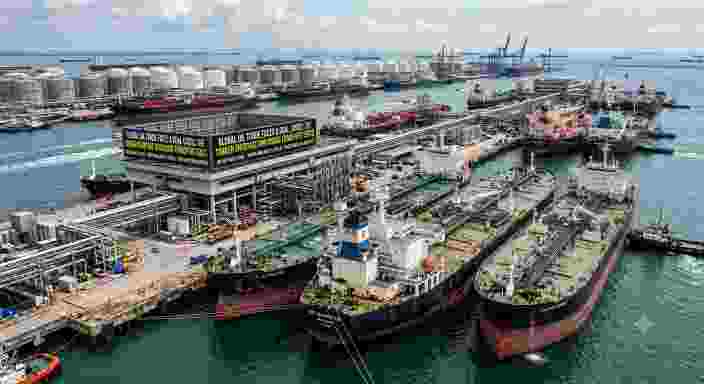
- Petroleum Ministry reviewing strategic oil reserves as Strait of Hormuz shipping faces potential disruption
- Advisory issued to Indian businesses to defer non-essential travel to the region
- Special helpline numbers established for families of expatriates seeking information
What Does This Mean for India’s Economy?
India imports nearly 40 percent of its crude oil from Gulf nations, making energy security a paramount concern. Economists warn that prolonged conflict could push global oil prices beyond $120 per barrel, threatening India’s inflation targets and current account balance. The Finance Ministry has convened meetings with oil marketing companies to discuss price stabilisation mechanisms. Trade routes through the Red Sea and Suez Canal also face heightened insurance costs, potentially affecting Indian exports to Europe.
What Happens Next?
Prime Minister’s Office sources indicate that diplomatic backchannel communications with all parties remain active, with India positioning itself as a potential mediator given its balanced relationships across the region. The next 72 hours are considered critical as international efforts intensify to prevent further escalation. Parliament is expected to receive a detailed briefing next week, while citizens have been urged to monitor official government channels for verified updates rather than relying on social media speculation.










Leave a Comment
Your email address will not be published. Required fields are marked with *