
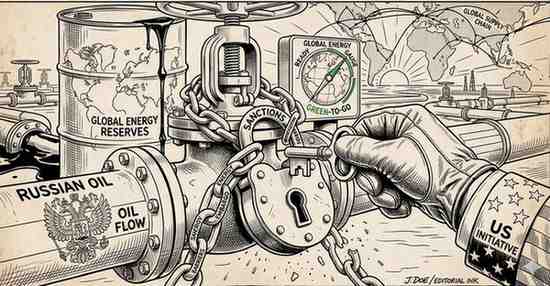
Washington D.C. / New Delhi, March 2026 — In a stunning reversal of global energy policy, U.S. Treasury Secretary Scott Bessent has indicated that the United States may “unsanction” Russian oil. The move aims to plug a widening “oil gap” in the global market, a decision that highlights the fragile balance between geopolitical pressure and
Washington D.C. / New Delhi, March 2026 — In a stunning reversal of global energy policy, U.S. Treasury Secretary Scott Bessent has indicated that the United States may “unsanction” Russian oil. The move aims to plug a widening “oil gap” in the global market, a decision that highlights the fragile balance between geopolitical pressure and economic reality.
What began as a strict campaign to isolate Russian energy is now being recalibrated as the U.S. acknowledges the need for supply stability, praising India for its strategic role in navigating this transition.
India: The “Good Actor” in a Global Crisis
Secretary Bessent explicitly commended India for its cooperative stance during the sanctions period. Earlier this fall, the U.S. had requested that India cease purchasing certain sanctioned Russian crude—a request India honored by shifting toward U.S. oil supplies.
However, as global prices felt the squeeze of a supply vacuum, Washington shifted gears. The U.S. has now granted India explicit permission to resume accepting Russian oil. This move isn’t just about New Delhi; it is a calculated U.S. strategy to use Indian refining capacity to ease the temporary global oil shortage.
Unlocking “Oil on the Water”
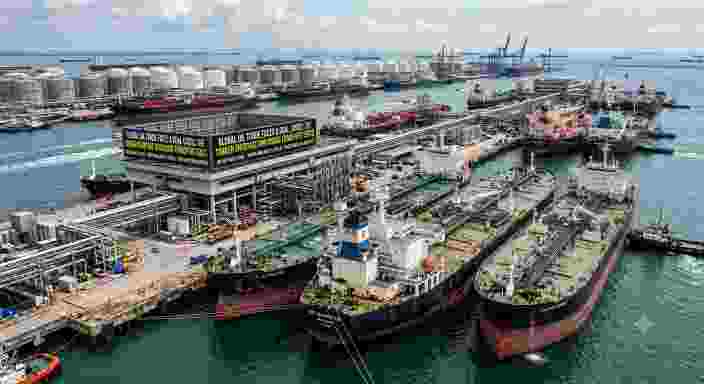
The U.S. Treasury is currently eyeing a massive untapped reserve: hundreds of millions of barrels of sanctioned crude currently sitting on tankers across the world’s oceans.
- Creating Supply: By “unsanctioning” these barrels, the Treasury can effectively create an overnight surge in global supply without waiting for new production.
- Safe Passage: The U.S. is currently coordinating with CENTCOM to ensure safe maritime transit for these vessels.
- The Timeline: Bessent suggested that this massive influx of oil could be integrated into the market within a week or two, providing immediate relief to fluctuating fuel prices.
The India Priority: Energy Security Above All
Despite the praise from Washington, New Delhi has maintained a firm, independent line. The Indian government reiterated that the energy security of its 1.4 billion citizens remains its “supreme priority.”
India’s strategy remains clear: diversify energy sourcing based on “objective market conditions” rather than shifting political winds. While the U.S. “permission” simplifies logistics and banking for Indian firms, New Delhi’s message remains that its decisions are driven by domestic necessity and evolving international dynamics.
A Two-Front Pressure on Iran
The shift in oil policy comes against a backdrop of escalating military tension. While the U.S. looks to stabilize oil, it is simultaneously intensifying pressure on Iran. Secretary Bessent noted that Iran is currently “fighting a losing military battle,” as the U.S. conducts significant bombing campaigns against missile launchers and factories. By unsanctioning Russian oil, the U.S. may be attempting to stabilize the market to prevent price spikes that would otherwise benefit other sanctioned producers like Iran.
Bottom Line
The era of absolute energy isolation for Russia is showing cracks as economic pragmatism takes center stage. By allowing Russian oil back into the fold through partners like India, Washington is betting that market stability is more valuable than total restriction. For the global consumer, it’s a sign of relief; for geopolitics, it’s a reminder that oil remains the ultimate leverage.










Leave a Comment
Your email address will not be published. Required fields are marked with *