





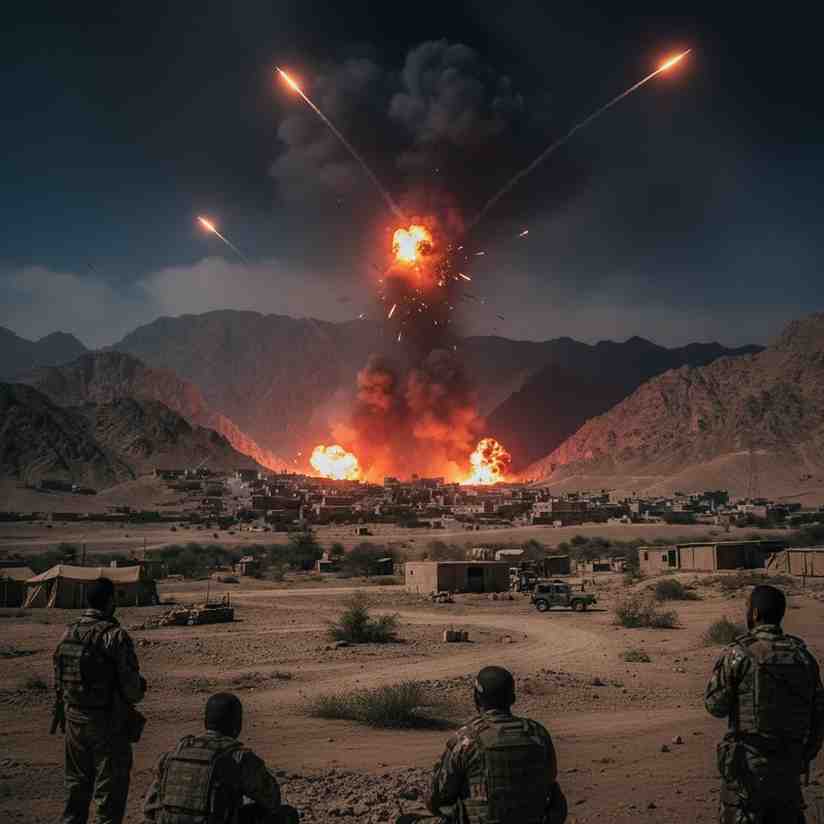
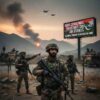
Islamabad/Kabul, February 2026 — In a dramatic escalation of cross-border tensions, the Pakistan Air Force (PAF) launched multiple air strikes inside Afghan territory early yesterday. The strikes, which targeted the Paktika and Nangarhar provinces, mark the most severe military confrontation between the two neighbors since the Taliban’s return to power in 2021. The Military Operation:
Islamabad/Kabul, February 2026 — In a dramatic escalation of cross-border tensions, the Pakistan Air Force (PAF) launched multiple air strikes inside Afghan territory early yesterday. The strikes, which targeted the Paktika and Nangarhar provinces, mark the most severe military confrontation between the two neighbors since the Taliban’s return to power in 2021.
The Military Operation: Seven Camps Targeted
According to Pakistani officials, the operation was a “selective, intelligence-based” strike aimed at dismantling safe havens used by extremist groups, specifically the Tehreek-e-Taliban Pakistan (TTP) and ISIS-K. Pakistan claims to have neutralized between 70 and 80 militants in these strikes, arguing that these groups have been using Afghan soil to launch a series of deadly suicide bombings and attacks on military personnel in Pakistan, including a recent mosque bombing in Islamabad that killed 31 people.
The Civilian Toll and Kabul’s Warning
The Taliban-led Afghan government has presented a starkly different account. Kabul condemned the strikes as a “blatant violation of sovereignty” and “international law,” asserting that the bombs fell on civilian homes, religious schools (madrasas), and markets.
Initial reports from Afghanistan suggest that at least 18 civilians, including women and children, were killed, with dozens more trapped under the rubble of collapsed buildings. The Afghan Defense Ministry has warned Pakistan of a “measured and severe response,” stating that Islamabad will have to bear the heavy consequences of breaching Afghan airspace.
India Condemns “Internal Failures” of Pakistan
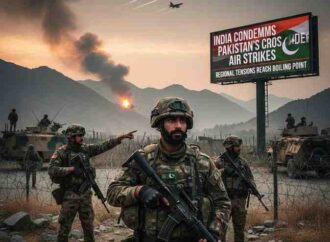
The Indian Ministry of External Affairs (MEA) issued a strongly worded statement late last night through spokesperson Randhir Jaiswal. India “unequivocally condemned” the strikes, raising grave concerns over the loss of civilian lives, particularly women and children.
Crucially, India described the military action as an attempt by Pakistan to deflect from its own “internal failures”. The MEA reaffirmed its support for Afghanistan’s sovereignty and territorial integrity, urging Islamabad to focus on its domestic security challenges rather than projecting its instability onto its neighbors.
The Geopolitical Pivot: The Durand Line Dispute
At the heart of the conflict lies the Durand Line, the porous 2,640 km border that Afghanistan has never officially recognized. While Pakistan celebrated the Taliban’s takeover in 2021 as a victory for “strategic depth,” the relationship has turned toxic as the Taliban refuses to clamp down on TTP militants operating along the border.
Bottom Line
The transition of Pakistan and Afghanistan from tactical allies to open enemies represents a dangerous shift in regional stability. With Kabul summoning Pakistan’s ambassador in protest and both sides threatening further military action, the prospect of a full-scale border war is now a distinct and alarming possibility. For India and the wider region, the spillover of this instability remains a critical security concern.

















Leave a Comment
Your email address will not be published. Required fields are marked with *