





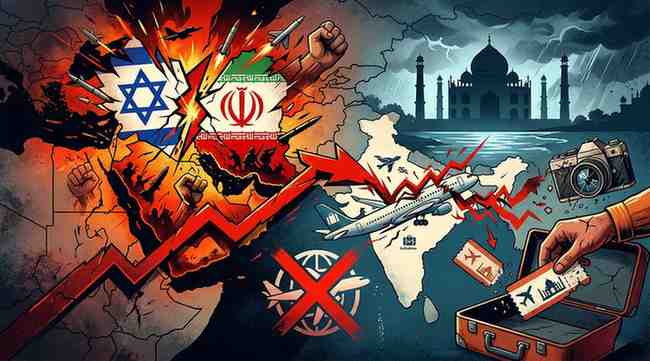
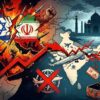
New Delhi, March 2026 — The escalating conflict in West Asia involving Iran, Israel, and the United States has begun to cast a long shadow over India’s economy. Entering its third week, the war is no longer a distant geopolitical event; it is dismantling India’s international tourism momentum overnight, disrupting flight paths and triggering a
New Delhi, March 2026 — The escalating conflict in West Asia involving Iran, Israel, and the United States has begun to cast a long shadow over India’s economy. Entering its third week, the war is no longer a distant geopolitical event; it is dismantling India’s international tourism momentum overnight, disrupting flight paths and triggering a wave of cancellations during the peak travel season.
Peak Season Meets Sudden Stagnation
March and April typically represent the high-water mark for international arrivals in India. However, the current travel window is witnessing an unusual and concerning trend: delayed arrivals, a sharp drop in new bookings, and widespread rescheduling.
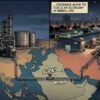
The primary driver is the massive disruption of international flight routes. Many key corridors to India rely on Gulf hubs, which are currently at the epicenter of the conflict. Airlines have been forced to reroute or cancel flights entirely to avoid active combat zones, creating an environment of uncertainty that is prompting global travelers to rethink their plans.
The Industry Impact: From Gateway Cities to Luxury Hubs
The slowdown is being felt across the hospitality spectrum. Reports indicate that major players like Sarovar Hotels, which manages over 150 properties, have already recorded a 10% to 12% decline in overseas bookings.
This impact is most visible in India’s major gateway cities:
- Business Hubs: Delhi, Mumbai, Bengaluru, and Hyderabad—cities that serve as the primary entry points for foreign visitors—are seeing significantly fewer inquiries.
- Leisure Destinations: Traditional tourism hotspots that depend heavily on high-spending foreign tourists are reporting a noticeable drop in footfall, threatening the seasonal revenue of local economies.
The Geopolitical Trigger: Hormuz and Energy Corridors
The crisis reached a tipping point following a joint strike by Israel and the United States that killed Iran’s Supreme Leader, Ali Khamenei. In retaliation, Tehran launched missile and drone attacks and took the drastic step of shutting down the Strait of Hormuz.
The closure of this critical waterway—responsible for 20 million barrels of oil daily and 20% of the global LNG trade—has pushed up oil prices and severely compromised global airline operations. The resulting spike in operational costs and safety concerns has directly translated into the current tourism slump.
Bottom Line
What began as a localized conflict has rapidly evolved into a regional crisis with global ripple effects. For India’s tourism industry, the war is a stark reminder of how deeply interconnected global travel remains with West Asian stability. Until the flight corridors stabilize and the geopolitical fever breaks, the “Incredible India” growth story faces a challenging and uncertain summer.
















Leave a Comment
Your email address will not be published. Required fields are marked with *