





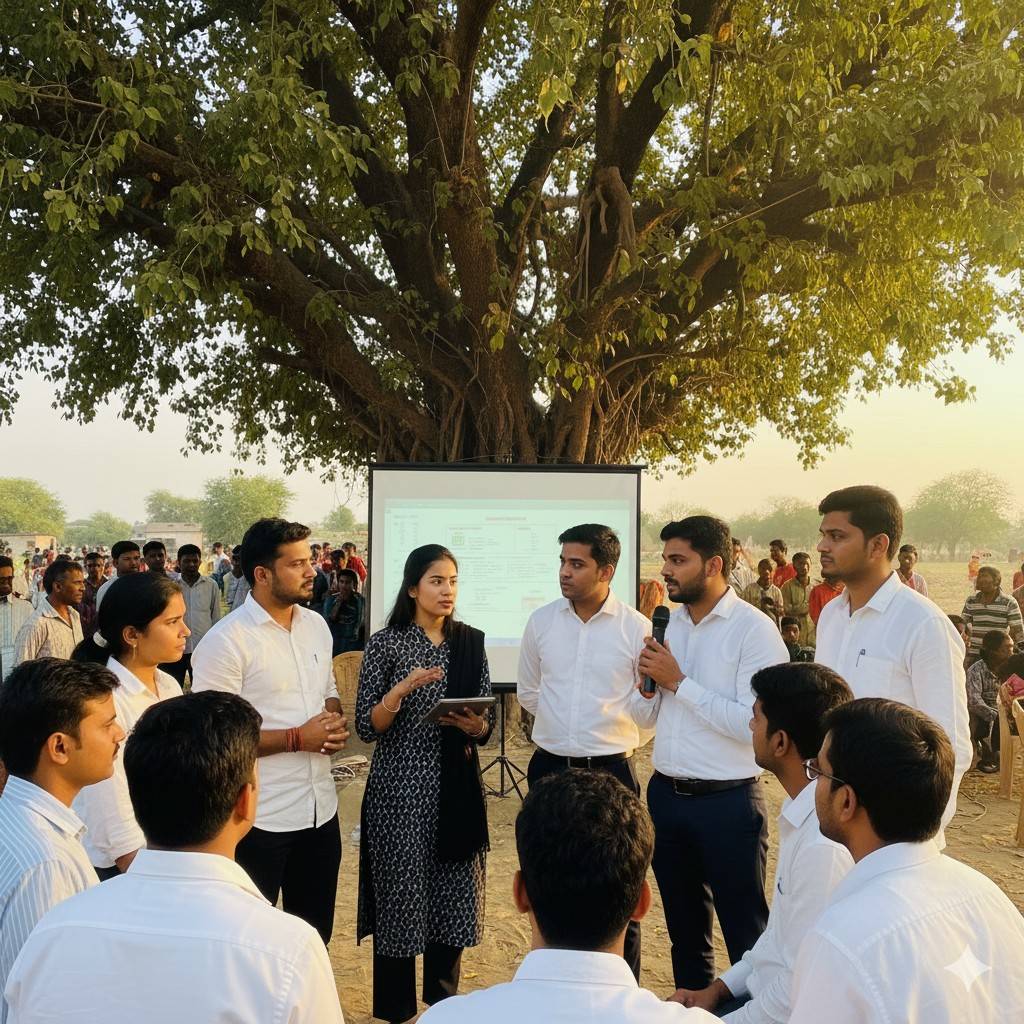
The Emerging Role of Youth in Transforming UP Politics KEY METRICS: NEWS BODY Uttar Pradesh (UP), India’s most populous state, has long been dominated by established political dynasties, with power being concentrated in the hands of a few prominent families. However, a significant shift appears to be underway, as a new generation of young leaders
The Emerging Role of Youth in Transforming UP Politics
KEY METRICS:
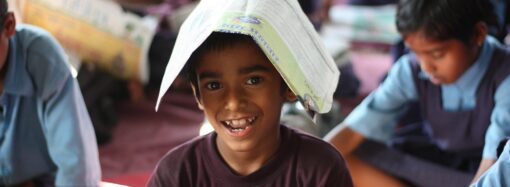
- Youth Demographics: Approximately 48% of Uttar Pradesh’s population is under the age of 25, offering a significant base for young leadership to influence the state’s political future.
- Voter Turnout: The 2022 UP Assembly elections saw a significant rise in voter participation among younger demographics, with 20-30% of voters being first-time participants.
- Political Representation: Youth leaders have increasingly secured positions in UP’s political landscape, with a rise in candidates under 40 in recent elections, particularly from emerging regional parties.
- Political Awareness: The rise of social media and digital platforms has amplified political awareness and activism among UP’s youth, allowing them to engage in political discourse more actively than before.
- Educational Attainment: The literacy rate for UP’s youth has steadily improved, with significant progress in urban areas, which has fueled their participation in politics and governance.
NEWS BODY
Uttar Pradesh (UP), India’s most populous state, has long been dominated by established political dynasties, with power being concentrated in the hands of a few prominent families. However, a significant shift appears to be underway, as a new generation of young leaders is beginning to shape the future of the state’s political landscape. With nearly half of UP’s population under the age of 25, the potential for youth-led change has never been more evident. But how is this emerging leadership reshaping the state’s political future?
Youth in UP Politics: A Rising Force
Uttar Pradesh has historically been a state where politics has been largely driven by older, traditional figures. However, the state’s younger population, now accounting for about 48% of its citizens, is gradually stepping into the political arena, with many rising stars from various regional and national parties seeking to challenge the established order. As the 2022 UP Assembly elections revealed, young people are becoming more politically active, and the increasing voter turnout from the youth reflects this growing engagement. Among these, a substantial number of first-time voters were drawn to the polls, eager to contribute to a change they felt was necessary.
Political parties in UP are increasingly fielding young candidates, recognizing that youth-oriented policies could be key to attracting voters. For example, leaders such as Akhilesh Yadav of the Samajwadi Party and Keshav Prasad Maurya of the Bharatiya Janata Party (BJP), both relatively young compared to their contemporaries, have positioned themselves as figures of progress, focusing on issues such as employment, technology, and educational reform. These leaders, many of whom are under the age of 40, are working to reframe the political discourse around youth aspirations, which were previously overshadowed by traditional caste-based politics.
The Role of Social Media and Digital Engagement
One of the most notable factors influencing the rise of young leaders in UP is the growing role of social media in politics. Platforms like Facebook, Twitter, Instagram, and WhatsApp have enabled young politicians to directly connect with voters, bypassing traditional media channels. This has allowed leaders to craft more relatable and accessible personas, engage in real-time debates, and push for policies that resonate with the aspirations of a digitally connected generation.
For example, during the 2022 elections, candidates made use of social media to launch campaigns targeting younger voters, focusing on issues such as employment, digital literacy, and educational opportunities. Young leaders in UP are increasingly able to bypass the traditional “top-down” approach to campaigning, using social media to rally support, address concerns directly, and engage in dialogue with constituents in a more intimate and interactive way.
Political Platforms for Young Leaders
The rise of young leadership in UP is also reflected in the increased importance of regional political platforms. While national parties like the BJP and Congress continue to have strong presences in the state, regional parties have also become key players in UP politics, with many being led by younger figures. Akhilesh Yadav, the leader of the Samajwadi Party, is one of the prominent figures among this new breed of politicians. Known for his efforts to modernize the state’s infrastructure and promote policies that cater to the young, Yadav represents a vision of governance that appeals to younger generations, especially in urban areas.
Furthermore, local leadership at the grassroots level is also becoming more dynamic, with many youth leaders making inroads in panchayats and municipal bodies. This not only increases youth representation in governance but also ensures that the concerns of younger populations are adequately addressed in local policies. Political parties are recognizing the importance of these leaders and are giving them greater platforms to lead change within their communities.
Challenges and Opportunities for Young Leaders
While the rise of young leaders in UP politics represents a new era, it is not without its challenges. One of the biggest hurdles is the deep-rooted influence of caste-based politics in the state. Despite efforts to appeal to a broader, younger demographic, caste identities and political affiliations still play a major role in determining electoral outcomes, making it difficult for young leaders to completely shift the dynamics of UP’s political landscape.
Another challenge is the long-standing legacy of family-run political dynasties that have dominated the state for decades. For many young politicians, breaking into this entrenched political environment can be difficult, as they face significant resistance from established political figures and networks. Moreover, the political climate in UP, often marked by tension and volatility, can pose risks for those trying to implement new ideas and reforms.
However, the opportunity for youth-driven political change is immense. The demand for progress, particularly in areas like employment, education, and technology, offers young leaders the chance to set the agenda for the state’s future. With a significant portion of the electorate made up of first-time voters and millennials, young leaders have the potential to create a fresh narrative centered on empowerment, economic growth, and social justice.
Conclusion
Uttar Pradesh’s political future is indeed being reshaped by young leaders who are embracing new technologies, challenging traditional power structures, and appealing to the state’s youth. As more young people become engaged in politics, whether through social media or traditional campaigning, their voices are beginning to influence the state’s policies and priorities. While challenges remain, the continued rise of young leadership in UP suggests that the future of the state’s political landscape is more dynamic, progressive, and inclusive than ever before. If these leaders can overcome the entrenched systems and work towards meaningful reforms, Uttar Pradesh could see a shift toward a more forward-thinking and responsive governance model.















Leave a Comment
Your email address will not be published. Required fields are marked with *