
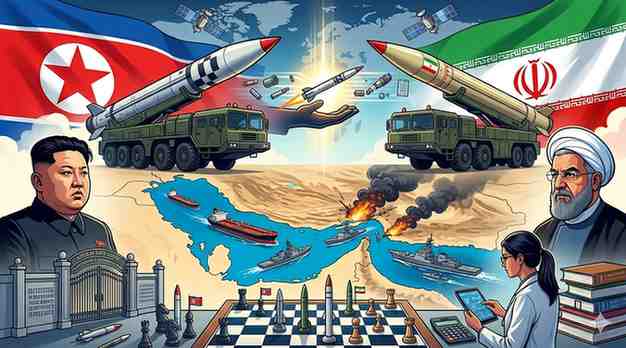
North Korea has signalled its readiness to provide long-range missile technology to Iran amid escalating regional tensions, potentially altering the strategic balance across West Asia and triggering alarm bells in New Delhi. This emerging axis between Pyongyang and Tehran threatens to complicate India’s delicate diplomatic positioning with both the United States and its traditional energy
North Korea has signalled its readiness to provide long-range missile technology to Iran amid escalating regional tensions, potentially altering the strategic balance across West Asia and triggering alarm bells in New Delhi. This emerging axis between Pyongyang and Tehran threatens to complicate India’s delicate diplomatic positioning with both the United States and its traditional energy partners in the Gulf.
New Delhi, April 2026 — Intelligence assessments shared among allied nations indicate that North Korea has accelerated discussions with Iran regarding the transfer of advanced ballistic missile systems, marking a significant escalation in defence cooperation between the two internationally isolated regimes.
Why Is North Korea Expanding Its Iran Partnership Now?
Pyongyang’s overture comes as international sanctions continue to strangle its economy, making arms exports an increasingly vital revenue stream. Iran, facing its own Western sanctions regime and regional pressure from Israel and Gulf states, seeks to bolster its deterrence capabilities without relying solely on domestic production. The timing coincides with heightened American military presence in the Persian Gulf following recent naval incidents near the Strait of Hormuz. Analysts suggest both nations view this partnership as a counter to what they perceive as coordinated Western containment strategies.
What Does This Mean for India’s Strategic Interests?
India maintains complex relationships with all parties involved in this developing situation. New Delhi has historically maintained working ties with Tehran, particularly regarding the Chabahar port project and energy imports, while simultaneously deepening defence partnerships with Washington and Gulf Cooperation Council members. A missile-armed Iran backed by North Korean technology could destabilise the region where nearly eight million Indian expatriates reside and through which significant oil imports flow. The Ministry of External Affairs has not issued an official statement but diplomatic sources indicate close monitoring of developments.
What Are the Key Facts to Know?
- North Korea possesses intercontinental ballistic missile technology capable of ranges exceeding 10,000 kilometres
- Iran’s current missile arsenal primarily consists of medium-range systems with approximately 2,000-kilometre reach
- UN Security Council resolutions prohibit North Korean arms exports and Iranian ballistic missile procurement
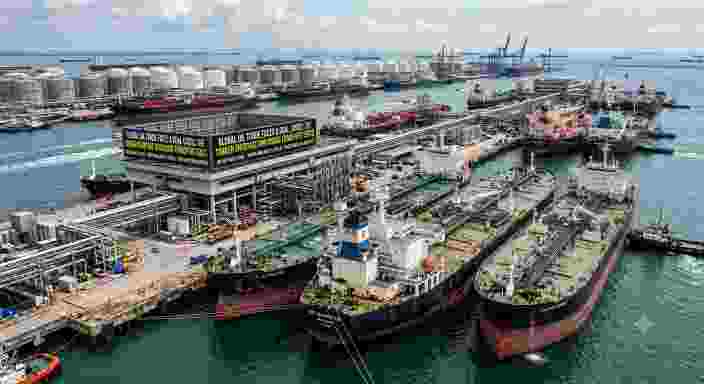
- India imports approximately 10 percent of its crude oil from Gulf nations potentially affected by regional instability
- The Chabahar port agreement remains India’s strategic gateway to Afghanistan and Central Asia
How Are Global Powers Responding?
The United States has reportedly convened emergency consultations with South Korea and Japan to assess the intelligence and coordinate responses. European Union foreign policy officials have called for renewed diplomatic engagement to prevent further proliferation. China, a traditional ally of North Korea, has maintained characteristic silence, though Beijing’s own tensions with Washington complicate any mediating role. Russia’s ongoing cooperation with both Pyongyang and Tehran adds another layer of complexity to international response efforts.
What Happens Next?
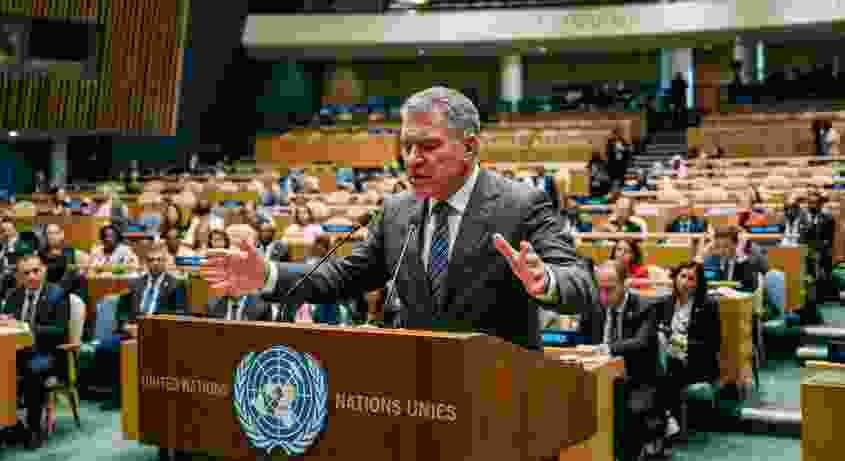
Diplomatic observers expect the United Nations Security Council to convene discussions, though substantive action remains unlikely given Russian and Chinese veto powers. India will likely intensify backchannel communications with Tehran to safeguard bilateral projects while reassuring Gulf partners of its commitment to regional stability. Defence analysts suggest New Delhi may accelerate indigenous missile defence programmes and diversify energy import sources as hedging strategies. The coming weeks will reveal whether this reported cooperation materialises into concrete transfers or remains a bargaining chip in broader geopolitical negotiations.










Leave a Comment
Your email address will not be published. Required fields are marked with *