
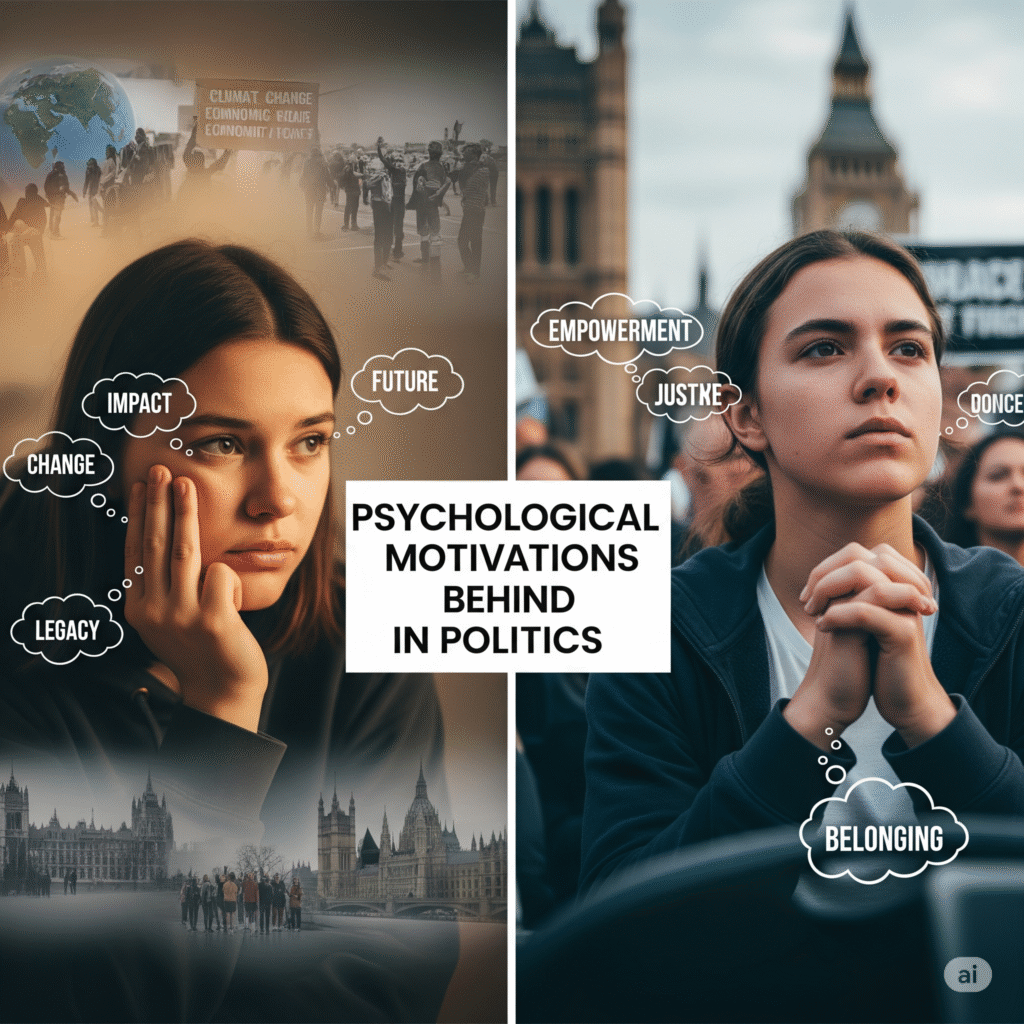
In contemporary political landscapes, the involvement of young people is more crucial than ever. Understanding the psychological motivations behind why young individuals engage in politics can help tailor approaches that foster deeper involvement and commitment. This article delves into the various psychological drivers that propel young people towards political activism and leadership. Introduction The engagement
In contemporary political landscapes, the involvement of young people is more crucial than ever. Understanding the psychological motivations behind why young individuals engage in politics can help tailor approaches that foster deeper involvement and commitment. This article delves into the various psychological drivers that propel young people towards political activism and leadership.
Introduction
The engagement of youth in politics is not just beneficial for their personal development but also essential for the dynamism and resilience of democratic societies. Psychological factors play a significant role in shaping the political interests and activities of young individuals. Identifying and understanding these factors can provide valuable insights into how to effectively engage this vital demographic in the political process.
Key Psychological Motivations
Search for Identity: For many young individuals, political involvement is a pathway to personal identity formation. Engaging in politics allows them to express their values, explore their beliefs, and affirm their place within the social structure. This search for identity often drives their choices in affiliating with particular political movements or parties that reflect their personal ideologies and aspirations.
Sense of Purpose and Meaning: Young people often enter the political arena driven by a desire to contribute to societal change. This engagement provides them with a sense of purpose and meaning, fulfilling their intrinsic psychological needs. Whether it’s advocating for environmental justice, human rights, or economic reforms, the drive to make a difference can be a powerful motivator.
Social Influences: Peer groups, educational institutions, and social media play significant roles in shaping political motivations. The influence of peers who are politically active can stimulate interest and participation among young individuals. Additionally, being part of a community with strong political advocacy encourages continued engagement and activism.
Emotional Drive: Emotional reactions to social and political issues can spur young people into action. Outrage over injustices, empathy towards marginalized groups, or fear about future implications of current policies can all serve as catalysts for political involvement. Emotional investment in political causes often leads to sustained engagement and active participation.
Challenges and Support Structures
Navigating Cynicism and Burnout: Despite strong motivations, young political activists often face challenges such as cynicism from older generations and burnout from continuous engagement. Support systems within political parties, educational entities, and through mentorship can help manage these challenges and sustain motivation.
Educational and Institutional Support: Schools and universities play critical roles in nurturing political interest and participation. Civics education, debate clubs, and political science courses can provide the foundational knowledge and skills necessary for effective political engagement.
Conclusion
The psychological motivations driving young people into politics are complex and multifaceted. By understanding these underlying drivers, political organizations, educators, and policymakers can better engage and support young individuals in their political endeavors. Encouraging youth participation in politics not only enriches their personal development but also ensures a more vibrant, inclusive, and forward-thinking political landscape. As societies continue to evolve, harnessing the energetic and diverse voices of the youth is imperative for the health and progress of democracies worldwide.












Leave a Comment
Your email address will not be published. Required fields are marked with *