





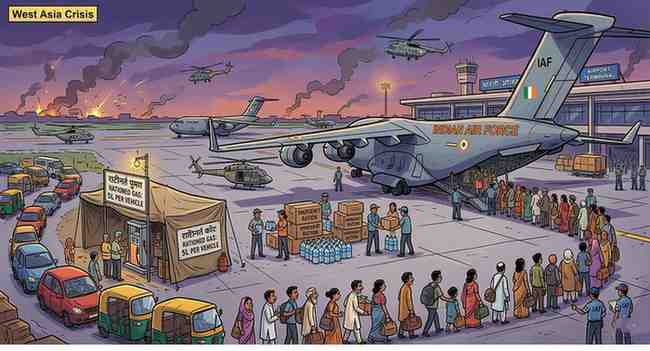
New Delhi, March 11, 2026 — India has entered a state of “emergency footing” as the conflict between the US, Israel, and Iran escalates. From implementing strict domestic fuel rationing to launching a massive aviation rescue operation for millions of citizens in the Gulf, the government is racing to shield the country from a geopolitical
New Delhi, March 11, 2026 — India has entered a state of “emergency footing” as the conflict between the US, Israel, and Iran escalates. From implementing strict domestic fuel rationing to launching a massive aviation rescue operation for millions of citizens in the Gulf, the government is racing to shield the country from a geopolitical storm that is upending energy security and global travel.
The Great Airlift: Rescuing 8.5 Million Indians
With over 23,000 flights canceled globally since late February and major hubs like Dubai and Abu Dhabi facing missile threats, the Indian community in the Gulf is in a precarious position. Indian carriers have launched one of the largest repatriation efforts since the pandemic.
IndiGo is currently leading the volume, operating 30 special relief flights in a single day to cities including Dubai, Sharjah, and Abu Dhabi. Meanwhile, Air India and Air India Express have diverted scheduled services to Muscat and Jeddah to facilitate the exodus. To bypass active war zones, these “rescue” flights are using southern bypass routes through Egypt and Saudi Arabia.
Kitchens Under Pressure: The 25-Day LPG Lock-in
On the home front, the “energy defense” is manifesting in the form of a 25-day waiting period between cooking gas (LPG) bookings. With India importing over 60% of its LPG—and 90% of those imports passing through the now-dangerous Strait of Hormuz—the government has moved to stop panic buying.
Under the Essential Commodities Act, oil refineries have been ordered to maximize LPG production by diverting streams away from petrochemicals. In cities like Mumbai, Bangalore, and Kolkata, commercial LPG supply has been completely halted to ensure that household kitchens remain functional during the crisis.
Reliance in Texas: A $300B Hedge Against War
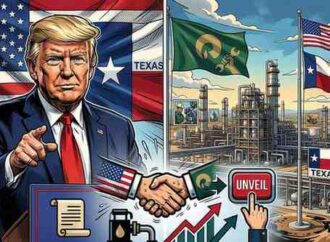
In a move that signals long-term decoupling from Middle Eastern oil, the U.S. has announced its first new refinery in 50 years—backed by India’s Reliance Industries. The $300 billion “America First Refining” project in Brownsville, Texas, will process American shale oil, providing a critical hedge for Reliance. Currently, 40% of India’s crude imports pass through the Strait of Hormuz; this Texas deal ties the US and India closer on the energy map than ever before.
Corporate Fallout: The Exit of Peter Elbers
The external pressure has also claimed a high-profile corporate casualty. Peter Elbers, CEO of India’s aviation giant IndiGo, resigned on March 10th with immediate effect. His tenure was marred by a December 2025 meltdown where 4,500 flights were canceled due to pilot scheduling failures. Founder Rahul Bhatia has taken the helm as interim CEO to stabilize the carrier, which controls 64% of the domestic market, at a time when operational reliability is a matter of national security.
Bottom Line
India is no longer just a spectator to the West Asia conflict. By rationing gas at home, airlifting citizens from the war zone, and building massive refineries in Texas, the nation is rewriting its security playbook. The message is clear: in a world of volatile supply lines, self-reliance and strategic diversification are the only ways to keep the lights on and the citizens safe.


















Leave a Comment
Your email address will not be published. Required fields are marked with *