





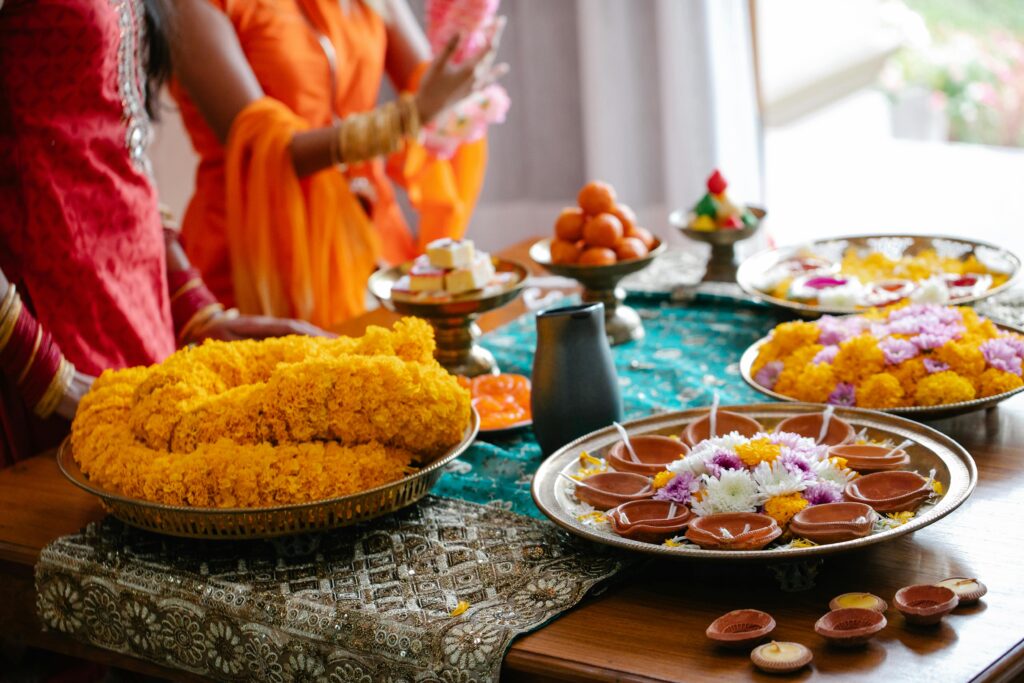
Tradition or Superstition? Are Religious Rituals Becoming Empty Performances in Modern India? In India, rituals have long been central to religious and cultural identity, serving as a way to connect with the divine, build community, and maintain tradition. However, as India modernizes and embraces global perspectives, many are questioning whether these rituals still hold the
Tradition or Superstition? Are Religious Rituals Becoming Empty Performances in Modern India?
In India, rituals have long been central to religious and cultural identity, serving as a way to connect with the divine, build community, and maintain tradition. However, as India modernizes and embraces global perspectives, many are questioning whether these rituals still hold the same significance they once did or if they have become mere formalities—an empty performance that people go through without deeper understanding or connection. Are we truly engaging with the spiritual essence of rituals, or are we simply going through the motions?
The Rise of Rituals in Modern Society
Religious rituals in India, from daily prayers to grand festivals, have been a cornerstone of spiritual life. According to the Pew Research Center’s 2023 report, 78% of Indians actively participate in religious rituals, and many continue to view them as essential to their identity and moral framework. Rituals like puja, fasting, prayers, and pilgrimagesare seen as fundamental ways of maintaining one’s relationship with the divine.
However, critics argue that the spiritual depth once associated with these practices has been eroded over time. As society shifts towards rapid urbanization and technology, some rituals have become more about social expectation than personal connection with the divine. Dr. Vandana Sharma, a sociologist at Jawaharlal Nehru University, notes that “rituals have become commodified, often seen as performances for others rather than genuine expressions of faith.”
The Rituals of Convenience
In contemporary India, many rituals have become disconnected from their original spiritual meaning. For example, festivals like Diwali or Holi are now often celebrated with a focus on material consumption and public displays rather than their traditional religious significance. In a 2022 study by the Indian Rationalist Association, over 40% of participants admitted that they performed rituals more out of social obligation than spiritual desire. Many feel compelled to participate in rituals to meet social expectations, rather than for any personal or divine connection.
Moreover, the rise of online temples and virtual religious ceremonies has made it easier to perform rituals without truly engaging in them. Individuals can now watch a live-streamed puja or receive blessings via an app, which raises the question: Does this convenience dilute the authenticity of the experience?
The Influence of Superstition
Another troubling aspect of modern rituals is the growing influence of superstition. Research conducted by the Indian Council of Social Science Research (ICSSR) in 2023 revealed that 35% of Indians still practice rituals out of fear or to ward off bad luck, rather than out of spiritual intent. Superstition-driven practices, such as wearing amulets or performing certain acts for good fortune, can overshadow the deeper, philosophical teachings of faith.
As India’s spiritual leaders, including Sadhguru and Deepak Chopra, have noted, rituals should not be reduced to mere superstitions. They should be seen as tools for self-realization and spiritual growth, not as obligations driven by fear of the unknown.
Can We Revitalize Rituals?
Despite these concerns, many argue that rituals still have the potential to offer profound spiritual benefits if practiced with awareness and intention. Dr. Shashi Tharoor, a leading advocate for cultural and spiritual introspection, argues that rituals can still be meaningful if individuals approach them with a mindset of personal growth, self-reflection, and inner peace. He emphasizes that rituals, when done with purpose, can help individuals reconnect with the deeper aspects of their faith and spirituality.
The challenge, however, lies in moving beyond ritualistic formalism. If rituals are to regain their true significance, they must be redefined in a way that fosters genuine spiritual engagement and personal transformation.
Conclusion: Going Beyond the Motion
Rituals have long been an essential part of India’s religious and cultural landscape, but they are at a crossroads. As India becomes more modern and interconnected, the question arises: Are these rituals still meaningful, or have they become mere motions to appease tradition and social expectation? It’s time for a reevaluation of how we approach these practices. To preserve their spiritual essence, we must focus on engaging with rituals in a deeper, more personal way—one that transcends mere performance and connects us to the true purpose of faith.




















Leave a Comment
Your email address will not be published. Required fields are marked with *