




Washington D.C., March 2026 — A significant social media blunder by U.S. Energy Secretary Chris Wright sent global oil markets into a tailspin this week, highlighting the extreme volatility surrounding the blockade of the Strait of Hormuz. The incident, which triggered a brief but massive price crash, has drawn sharp mockery from Tehran and raised
Washington D.C., March 2026 — A significant social media blunder by U.S. Energy Secretary Chris Wright sent global oil markets into a tailspin this week, highlighting the extreme volatility surrounding the blockade of the Strait of Hormuz. The incident, which triggered a brief but massive price crash, has drawn sharp mockery from Tehran and raised questions about the administration’s communication during wartime.
While the White House scrambled to issue a correction, the reality on the ground remains unchanged: the world’s most vital energy artery remains effectively closed.
A Social Media Meltdown
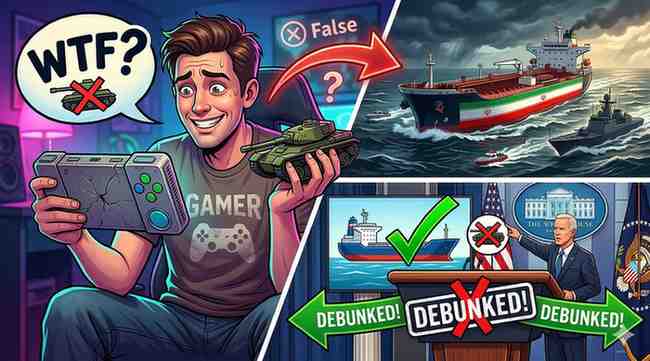
The chaos began when Secretary Chris Wright posted that the U.S. Navy had successfully escorted an oil tanker through the strategic waterway. Within minutes, global oil prices plummeted by more than 17% as traders bet on a reopening of the strait.
The relief was short-lived. White House Press Secretary Karine Jean-Pierre quickly debunked the claim, confirming that no such escort had taken place. An Energy Department spokesperson later blamed staff for “incorrectly captioning” the video, but the financial damage was done—one oil-linked ETF lost $84 million in market capitalization in just ten minutes.
Tehran’s Response: ‘Maybe on PlayStation’
Iran’s leadership was quick to capitalize on the American error. The Speaker of Iran’s Parliament mocked the false claim, suggesting that a U.S.-escorted tanker crossing the strait happened “maybe on PlayStation”.
Foreign Minister Abbas Araghchi accused Washington of spreading “fake news” to manipulate markets, asserting that misinformation would not protect the American public from the “inflationary tsunami” caused by the ongoing conflict.
The Strategic Advantage: Why Escorts Aren’t Enough
Military analysts warn that the situation in Hormuz is far more perilous than the “Tanker Wars” of the 1980s. Iran’s Revolutionary Guard Corps (IRGC) has positioned an array of mines, missiles, drones, and small attack boats along the narrow coast.
Unlike previous conflicts, the U.S. is currently engaged in direct strikes against Iran while simultaneously trying to protect commercial shipping. Experts note that naval escorts alone cannot reopen the strait; the U.S. would need to systematically degrade Iran’s coastal military capabilities—a process that would take significant time while hundreds of vessels remain trapped in the Persian Gulf.
The Price of a Prolonged Blockade
The economic stakes continue to climb. J.P. Morgan analysts warn that if Gulf nations exhaust their storage capacity because they cannot export oil, Brent crude could spike to $120 per barrel, with some estimates reaching $150 if the disruption continues. President Trump has threatened Iran with consequences “20 times harder” if the flow of oil is not restored, but the technical challenges of securing the waterway remain immense.
Bottom Line
The “PlayStation” incident underscores how easily misinformation can trigger market panic during a geopolitical crisis. While the White House maintains that naval escorts are an option the President may utilize “at the appropriate time,” the gaffe has revealed a stark gap between political rhetoric and the tactical reality of the Iranian blockade.















Leave a Comment
Your email address will not be published. Required fields are marked with *