





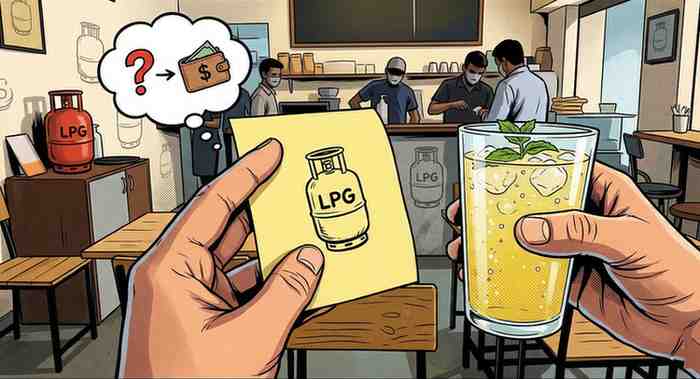
Bengaluru, March 2026 — A viral receipt from a Bengaluru cafe has sparked a nationwide debate after a customer was hit with a “Gas Crisis Charge” on a simple order of lemonade. The incident has become a flashpoint for consumer frustration as India grapples with a tightening LPG supply triggered by escalating conflict in the
Bengaluru, March 2026 — A viral receipt from a Bengaluru cafe has sparked a nationwide debate after a customer was hit with a “Gas Crisis Charge” on a simple order of lemonade. The incident has become a flashpoint for consumer frustration as India grapples with a tightening LPG supply triggered by escalating conflict in the Middle East.
What started as a single Reddit post has evolved into a broader investigation into how global energy disruptions are trickling down to the local dining table, leading to surcharges that many are calling illegal.
The Mint Lemonade Controversy
The controversy erupted when a customer at a Bengaluru cafe noticed an unusual entry on their bill for two mint lemonades. While the subtotal for the drinks was ₹358, the final receipt included a 5% “Gas Crisis Charge” of ₹17.
The internet quickly went into overdrive, with users on X and Reddit questioning why a cold beverage—which requires no cooking gas—would incur such a fee. While some joked about “hot lemonade,” many urged the customer to report the cafe to consumer authorities, questioning the legality of passing operational energy risks directly to the patron through arbitrary surcharges.
The Global Trigger: War in the Gulf
The “Gas Crisis Fee” is a direct symptom of the geopolitical chaos in the Middle East. Tensions spiked following a joint strike by Israel and the U.S. in late February, which led to retaliatory actions from Iran—including the disruption of the Strait of Hormuz.
As this narrow waterway carries a massive share of the world’s energy shipments, the blockade has hit India hard. India is the world’s second-largest LPG importer, and 90% of those imports come from West Asian nations like Saudi Arabia, Qatar, and the UAE. The current shipping delays have created a massive bottleneck in the domestic supply chain.
Domestic Squeeze: New Booking Rules
While the government maintains that there is no total “stock out,” the pressure is visible in the numbers. Daily LPG cylinder bookings have skyrocketed from an average of 55 lakh to 88 lakh per day as citizens begin panic-buying.
To manage the surge, the government has introduced strict rationing:
- Urban Customers: Must wait at least 25 days between cylinder bookings.
- Rural Consumers: Face a mandatory 45-day waiting period.
The End of “Business as Usual” for Eateries
The Bengaluru cafe incident is just the tip of the iceberg. Gas shortages are already forcing large restaurant chains in several parts of India to halt operations or limit their menus. While some establishments are absorbing the costs, others are attempting to pass the burden to consumers through controversial “crisis fees.”
Bottom Line The era of cheap, accessible cooking gas has been upended by a conflict thousands of miles away. The Bengaluru “Lemonade Fee” is a stark reminder that in a globalized economy, a blockade in the Strait of Hormuz eventually hits the wallet of a student buying a drink in India. As rationing tightens, the question remains: is this a temporary surcharge or the new cost of dining out?

















Leave a Comment
Your email address will not be published. Required fields are marked with *