





New Delhi, March 2026 — In a powerful address to the Rajya Sabha, MP Raghav Chadha has proposed a sweeping overhaul of India’s tax and banking systems. Moving beyond abstract numbers, Chadha focused on the “everyday anxieties” of the Indian middle class and the poor, presenting three major proposals to the Union Budget 2026. While
New Delhi, March 2026 — In a powerful address to the Rajya Sabha, MP Raghav Chadha has proposed a sweeping overhaul of India’s tax and banking systems. Moving beyond abstract numbers, Chadha focused on the “everyday anxieties” of the Indian middle class and the poor, presenting three major proposals to the Union Budget 2026.
While the government focuses on macroeconomic targets, Chadha argues that the current system fails to recognize the family as a fundamental economic unit, penalizes the bravery of disabled soldiers, and treats poverty as a punishable offense in the banking sector.
Recognizing the Family: The Case for Joint ITR
Chadha’s first major proposal is the introduction of Joint Income Tax Returns (ITR) for married couples. He noted that while couples share every financial burden—from rent and groceries to childcare and elderly care—the tax department treats them as “strangers”.
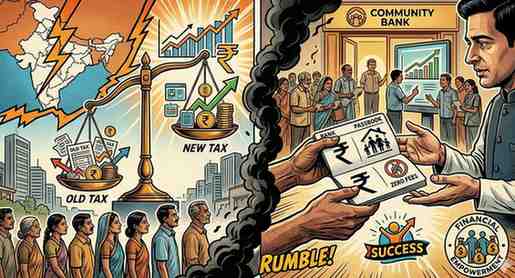
The MP highlighted a significant disparity: a single-income household earning ₹20 lakh pays nearly ₹1.92 lakh in tax, whereas a dual-income household earning the same amount (split ₹10 lakh each) pays zero tax due to individual rebates. By allowing couples to club their income and exemptions, Chadha argues India would achieve “tax equity,” following the lead of nations like the US, France, and Germany.
A Debt of Honor: Protecting Disability Pensions
In a move that drew sharp attention, Chadha strongly opposed the new tax on disability pensions for the Armed Forces. For over a century, since 1922, these pensions—granted to soldiers who lose limbs or sustain life-altering injuries in the line of duty—remained tax-free.
“You can tax income and profit, but you cannot tax a soldier’s sacrifice,” Chadha stated. He argued that taxing this compensation creates two categories of wounded soldiers and effectively “penalizes endurance.” He urged the government to stop sending income tax notices to those who have shed blood for the country.
Ending the “Poverty Penalty” in Banking
The final pillar of Chadha’s speech targeted the banking sector’s reliance on Minimum Account Balance (MAB) penalties. He revealed that banks have siphoned off ₹11,000 crore from the poorest account holders over the last three years simply because they couldn’t maintain a few thousand rupees in their accounts.
Chadha illustrated the cruelty of the system with the story of a laborer whose small savings are eaten away by monthly charges and 18% GST on those penalties. He called for an immediate waiver of these fees, arguing that banks should not “treat poverty as a crime” and that the current system discourages the very financial inclusion the government claims to promote.
Bottom Line
The proposals by Raghav Chadha signal a demand for a “human-centric” fiscal policy. From recognizing the shared wallet of a married couple to honoring the sacrifice of a soldier and protecting the meager savings of a laborer, the message is clear: India’s economic growth must not come at the cost of its most hardworking and vulnerable citizens.

















Leave a Comment
Your email address will not be published. Required fields are marked with *