





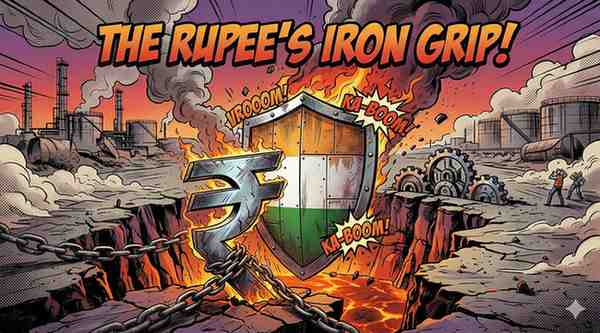
New Delhi, March 2026 — The Indian government has made a high-stakes move by slashing additional excise duty on petrol and diesel. While the headline sounds like a win for motorists, the reality on the ground is far more complex: the tax cut is a strategic buffer against a global energy war, not a price
New Delhi, March 2026 — The Indian government has made a high-stakes move by slashing additional excise duty on petrol and diesel. While the headline sounds like a win for motorists, the reality on the ground is far more complex: the tax cut is a strategic buffer against a global energy war, not a price drop for the common man.
The $100 Barrel: A Geopolitical Shockwave
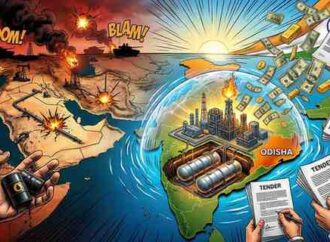
The catalyst for this emergency intervention is the escalating conflict between the United States and Iran. With West Asia in turmoil, crude oil prices have surged past the psychological barrier of $100 per barrel. For a country like India, which imports nearly 90% of its oil, the disruption of the Strait of Hormuz—a global energy chokepoint—is a direct threat to national economic stability.
Protecting the OMCs, Not the Pocketbook
The primary target of this excise duty cut isn’t the daily commuter, but rather India’s state-run Oil Marketing Companies (OMCs). For months, these companies have been absorbing the shock of rising global prices to keep domestic rates steady.
- Massive Under-recoveries: At current crude prices, OMCs were facing unsustainable losses on every liter sold.
- The Price Lock: Retail prices across major cities remain unchanged despite the tax cut. The government is essentially sacrificing tax revenue to help these companies bridge their “under-recovery” gap.
- The Bottom Line: Without this tax intervention, pump prices would have likely skyrocketed overnight to reflect the $100+ crude reality.
Private Refiners and Export Controls
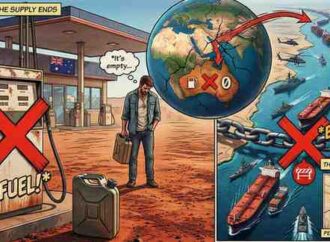
The pressure is already visible in the private sector. Refiners like Nayara have already begun raising prices, reflecting the raw stress on the system. To ensure the domestic market doesn’t run dry, the Center has coupled the excise cut with new export duties on refined fuels. This ensures that Indian-refined petrol and diesel stay within the country rather than being sold abroad for higher profits.
The Inflationary Ripple Effect
Union Minister Hardeep Singh Puri has framed this as a necessary sacrifice to “cushion the shock.” However, the broader economic outlook remains tense. Sustained high oil prices act as a tax on the entire economy, threatening to drive up logistics costs and push retail inflation higher.
A Reset for Energy Security?
Supporters of the move argue that this is a pragmatic defense of India’s fiscal health. By absorbing the shock at the policy level, the government is attempting to prevent the kind of hyper-inflation that could stall economic growth. Critics, however, point out that as long as global volatility remains, the relief is merely a temporary bandage on a deepening wound.
Bottom Line
The era of stable fuel prices has been upended by the fires in West Asia. The latest tax cut is a defensive play to keep the wheels of the economy turning, but for the Indian consumer, the dream of “cheaper fuel” remains a casualty of war.
















Leave a Comment
Your email address will not be published. Required fields are marked with *