
Islamabad, April 2026 — Following the collapse of a grueling 21-hour opening session, Pakistan is officially preparing to host a second round of high-stakes peace talks between the United States and Iran. With global energy markets paralyzed for nearly seven weeks and a critical ceasefire set to expire on April 22nd, the upcoming negotiations in
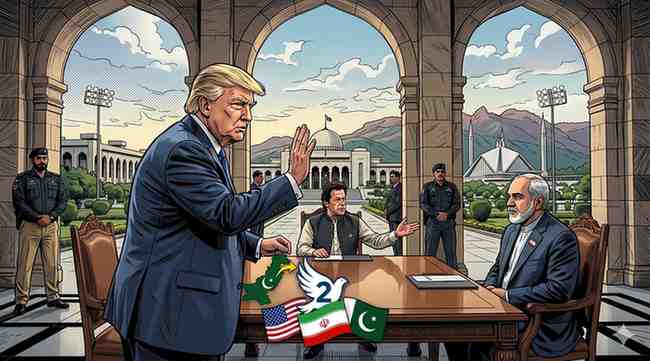
Islamabad, April 2026 — Following the collapse of a grueling 21-hour opening session, Pakistan is officially preparing to host a second round of high-stakes peace talks between the United States and Iran. With global energy markets paralyzed for nearly seven weeks and a critical ceasefire set to expire on April 22nd, the upcoming negotiations in Islamabad are being viewed as a final window to avert a full-scale regional war.
A Feverish Diplomatic Sprint
The failure of the first round on Sunday triggered an immediate and “furious” diplomatic push by Pakistani leadership to save the mediation process. Prime Minister Shehbaz Sharif embarked on a tri-nation tour on Wednesday, meeting with leaders in Saudi Arabia, Qatar, and Turkey to consolidate regional support.
Simultaneously, Pakistan’s Chief of Army Staff, Field Marshall Asim Munir, spent over 24 hours in Tehran meeting with Iran’s top political and military brass. This dual-track diplomacy aims to bridge a massive trust gap before the looming Monday deadline.
Trump’s Gambit: A Potential Visit to Islamabad
Adding a layer of unpredictability to the proceedings, U.S. President Donald Trump told reporters at the White House that he might personally travel to Islamabad if a final agreement is ready for signature.
“If a deal is signed in Islamabad, I may go. They want me,” Trump stated, claiming that Tehran has already conceded to almost every major point under negotiation. He also indicated a willingness to extend the current ceasefire if the second round shows genuine progress.
The Sticking Points: Nuclear Enrichment vs. Trust
Despite the optimism from the White House, the fundamental disagreements remain sharp:
- The U.S. Stance: Vice President JD Vance identified Iran’s nuclear program as the primary hurdle. Specifically, Washington is demanding that Tehran completely forgo uranium enrichment, calling their current proposal a “final and best offer”.
- The Iranian Stance: Mohammad Bagher Ghalibaf, leading Iran’s 71-member delegation, argued that Tehran had brought “forward-looking initiatives” to the table. He blamed the collapse of the first round on the U.S. side’s failure to win the trust of the Iranian representatives.
The Clock Hits Midnight
The stakes for Round 2 extend far beyond diplomacy; the conflict has already severely strained global logistics and defense inventories. Analysts warn that modern wars are battles of production capacity, and both nations are feeling the “crunch” of sustained engagement.
If Islamabad cannot broker a breakthrough by April 22nd, the ceasefire will expire, potentially reigniting a conflict that has already redefined naval movement in the Red Sea and drained international military stockpiles.
Bottom Line
Round 2 in Islamabad is no longer just about a regional ceasefire—it is a race against an expiring clock. While President Trump suggests a deal is nearly done, the deep-seated deadlock over nuclear enrichment suggests that unless one side blinks, the “peace of Islamabad” may remain as elusive as it was in Round 1.











Leave a Comment
Your email address will not be published. Required fields are marked with *