
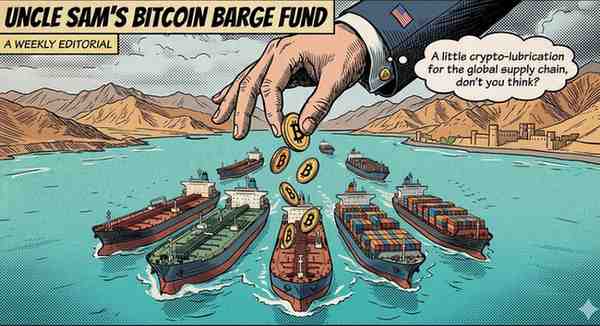
The United States is reportedly considering imposing toll charges on vessels transiting the Strait of Hormuz, a move that could fundamentally reshape global oil trade economics. India, which imports over 60 percent of its crude through this narrow waterway, faces potential price shocks and supply chain disruptions if such a policy materialises. New Delhi, April
The United States is reportedly considering imposing toll charges on vessels transiting the Strait of Hormuz, a move that could fundamentally reshape global oil trade economics. India, which imports over 60 percent of its crude through this narrow waterway, faces potential price shocks and supply chain disruptions if such a policy materialises.
New Delhi, April 2026 — American proposals to levy transit fees on ships passing through the Strait of Hormuz have triggered alarm bells across Asian capitals, with Indian energy security planners scrambling to assess the implications for the country’s petroleum imports and broader economic stability.
Why Is the Strait of Hormuz So Critical?
The Strait of Hormuz, a 33-kilometre-wide chokepoint between Iran and Oman, handles approximately 21 million barrels of oil daily — roughly one-fifth of global petroleum trade. India relies heavily on Gulf suppliers including Iraq, Saudi Arabia, and the UAE, making this waterway the lifeline of the nation’s energy security. Any disruption or additional cost imposed on this route directly impacts fuel prices, inflation, and industrial competitiveness across the subcontinent.
What Would Tolls Mean for India’s Oil Bill?
Industry analysts estimate that even modest transit fees could add $2-4 per barrel to India’s import costs, potentially inflating the annual crude bill by $8-12 billion. The Petroleum Ministry has reportedly convened emergency consultations with refiners and shipping companies to model various scenarios. Indian Oil Corporation and other state refiners are examining whether alternative routes through the Cape of Good Hope remain economically viable despite longer transit times.
- India imports approximately 4.5 million barrels of crude oil daily
- Over 60% of these imports transit through the Strait of Hormuz
- Gulf Cooperation Council nations supply nearly 50% of India’s petroleum needs
- Any toll mechanism would require complex international legal frameworks
- China and Japan, equally dependent on Gulf oil, have expressed similar concerns
How Are Other Nations Responding?
Beijing has characterised the proposal as potentially violating international maritime law governing freedom of navigation. Japan’s Ministry of Economy convened an emergency energy security meeting earlier this week. Gulf states themselves remain publicly silent, though diplomatic sources suggest Riyadh and Abu Dhabi are deeply uncomfortable with any measure that could reduce their export competitiveness.
What Happens Next?
New Delhi is expected to raise the matter through diplomatic channels while simultaneously accelerating strategic petroleum reserve expansion. The External Affairs Ministry may coordinate with other affected Asian nations to present a unified position at upcoming multilateral forums. Energy experts suggest India should fast-track diversification efforts, including increased imports from Russia via alternative routes and expanded domestic production incentives.












Leave a Comment
Your email address will not be published. Required fields are marked with *