
“Guiding Society or Binding Traditions? The Dual Role of Shastric Ethics in Modern India” The Shastras, a collection of ancient texts that serve as guides on everything from governance to daily behavior, hold a revered yet contentious place in Hindu tradition. These texts, which include the Dharma Shastras, the Arthashastra, and the Manusmriti, among others,
“Guiding Society or Binding Traditions? The Dual Role of Shastric Ethics in Modern India”
The Shastras, a collection of ancient texts that serve as guides on everything from governance to daily behavior, hold a revered yet contentious place in Hindu tradition. These texts, which include the Dharma Shastras, the Arthashastra, and the Manusmriti, among others, outline a comprehensive moral and ethical framework for individuals and society. While they are praised for their in-depth exploration of dharma (duty and righteousness), their application in contemporary society sparks debate about their relevance and adaptability.
Core Ethical Teachings of the Shastras
The Shastras delineate a complex system of ethics, designed to guide individuals toward a righteous life and ensure societal harmony. Key principles include:
- Dharma (Righteousness): Central to the Shastras is the concept of dharma, which prescribes moral duties based on one’s stage of life, caste, and community. It emphasizes virtues such as truthfulness, purity, patience, generosity, and non-violence.
- Artha (Material Prosperity): Particularly in the Arthashastra, ethical guidelines on achieving material success are provided, balancing it with spiritual and moral duties to ensure overall societal welfare.
- Kama (Desire): The Kama Sutra and other texts discuss the role of fulfilling desires in a morally appropriate manner, promoting a balanced approach to life’s pleasures.
Modern Interpretation and Challenges
While the ethical teachings of the Shastras are comprehensive, their context-specific nature raises questions about their direct application today:
- Contextual Relevance: The societal structure during the time the Shastras were written was vastly different from today’s dynamic, pluralistic society. The rigid caste-based duties and gender roles prescribed are seen by many as outdated and discriminatory in modern democratic contexts.
- Legal and Social Systems: Modern Indian law, influenced by diverse ethical sources including the Shastras, has evolved to embrace principles of equality and justice that sometimes conflict with traditional Shastraic injunctions.
- Philosophical Richness: Despite criticisms, the Shastras’ philosophical depth in addressing the complexities of human nature and morality continues to inspire scholars and ethicists. Their emphasis on duty, self-control, and the welfare of others remains relevant, urging a reinterpretation of ancient wisdom in light of contemporary values.
Conclusion
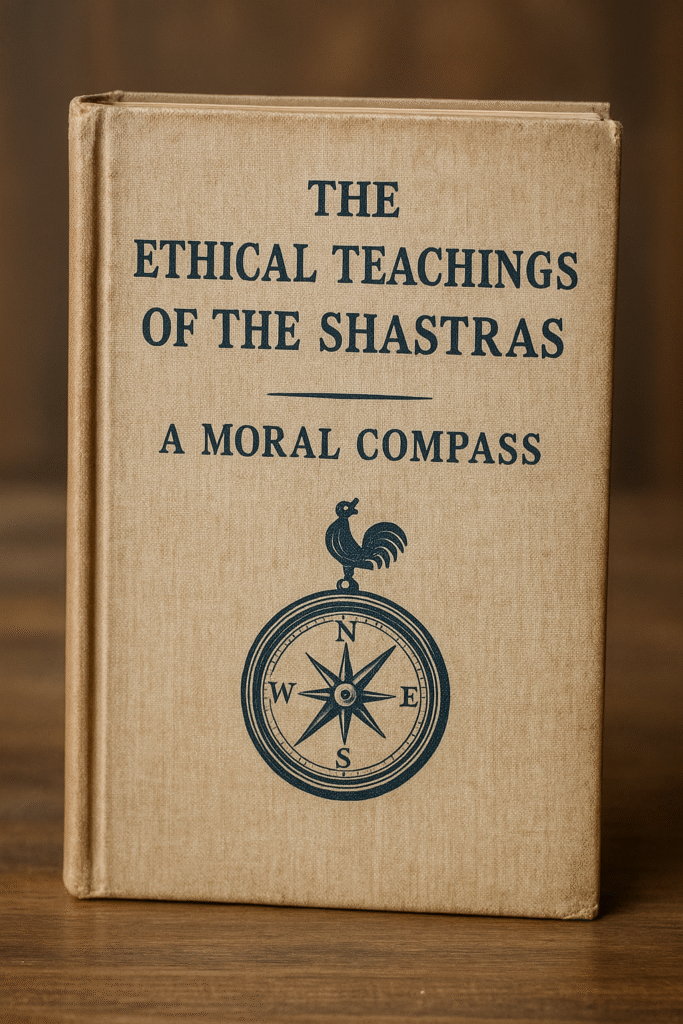
The Shastras, with their rich tapestry of ethical teachings, serve as a moral compass from ancient India, offering profound insights into the conduct of life. However, their application in modern society necessitates a nuanced understanding that respects historical context while striving for ethical principles that accommodate today’s diverse and evolving moral landscape. As India continues to balance tradition with modernity, the teachings of the Shastras can still provide valuable guidance, albeit with thoughtful adaptation to current social norms and values.












Leave a Comment
Your email address will not be published. Required fields are marked with *