
Exploring the Role of India’s Youth in Driving Political Transformation and Grassroots Impact Key Metrics: India’s young population is often hailed as its greatest asset, with the potential to drive innovation and transformation across various sectors. In the realm of politics, this demographic holds the promise of becoming a powerful catalyst for change. However, the
Exploring the Role of India’s Youth in Driving Political Transformation and Grassroots Impact
Key Metrics:
- Youth Demographics: Over 65% of India’s population is under 35, making it one of the youngest nations globally.
- Youth Representation: Only 13% of Members of Parliament (MPs) in the 17th Lok Sabha are under 40.
- Grassroots Impact: Programs like the Pradhan Mantri Kaushal Vikas Yojana (PMKVY) and Panchayati Raj Institutions have encouraged youth involvement at local governance levels.
India’s young population is often hailed as its greatest asset, with the potential to drive innovation and transformation across various sectors. In the realm of politics, this demographic holds the promise of becoming a powerful catalyst for change. However, the intersection of youth and politics is fraught with both opportunities and challenges, making the journey toward meaningful political participation a complex yet pivotal one.
The Rising Role of Youth in Political Engagement
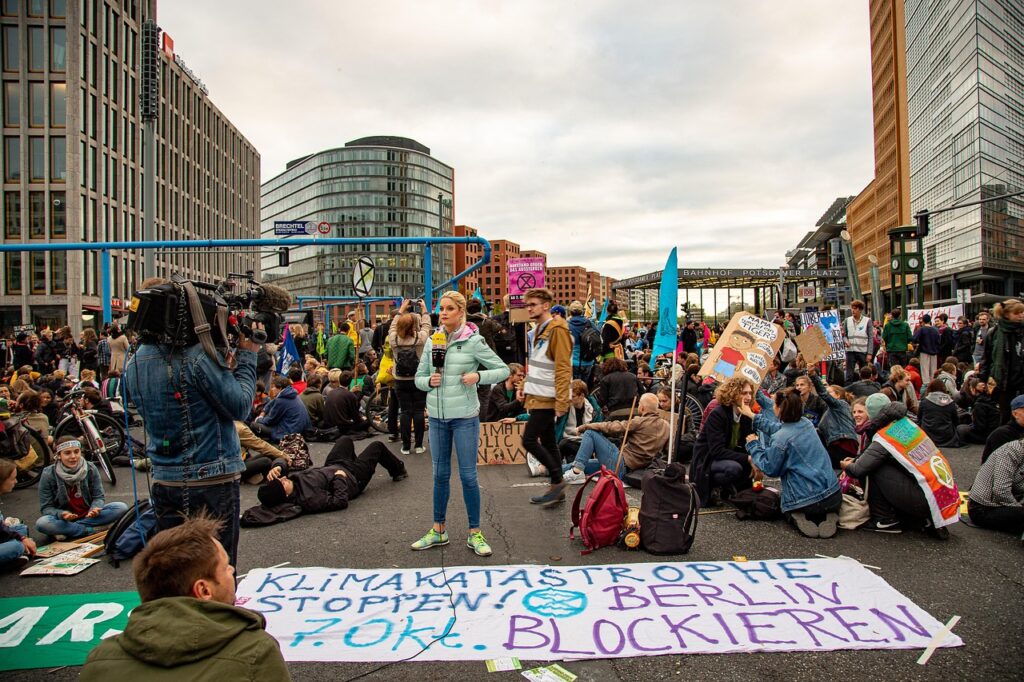
Young Indians have been at the forefront of movements addressing key issues like climate change, unemployment, and gender justice. Social platforms like Twitter and Instagram have enabled youth to mobilize support, spark debates, and hold policymakers accountable. Campaigns such as #FridaysForFutureIndia and #MeTooIndia exemplify how young voices are influencing public discourse.
At the grassroots level, schemes like the Deendayal Antyodaya Yojana and Panchayati Raj Institutions have empowered youth to take on leadership roles in local governance. These programs encourage young individuals, especially from underprivileged backgrounds, to engage in decision-making processes that directly impact their communities.
Challenges in Bridging the Gap
Despite their energy and enthusiasm, youth participation in formal politics remains limited. Structural barriers such as nepotism, high campaign costs, and limited mentorship opportunities deter many aspiring leaders.
Moreover, the disconnect between urban and rural youth engagement poses a significant challenge. While urban youth often leverage digital platforms to voice concerns, rural youth face barriers like inadequate access to education and infrastructure, limiting their ability to participate actively in political processes.
Youth-Led Initiatives: A Glimpse of the Potential
India’s political landscape has seen several youth-led initiatives that highlight their potential for driving change:
- Education Reform: Organizations like Akhil Bharatiya Vidyarthi Parishad (ABVP) have championed campaigns for affordable education and improved infrastructure.
- Gender Equality: The National Students’ Union of India (NSUI) has organized workshops and awareness drives to address campus safety and gender issues.
- Employment Advocacy: The Indian Youth Congress has pushed for job creation policies, focusing on reducing unemployment among young people.
These initiatives underscore the ability of young leaders to address contemporary issues while shaping India’s future.
Global Examples: Lessons for India
Globally, young leaders like Sanna Marin in Finland and Gabriel Boric in Chile have demonstrated how youth-driven governance can foster progressive policies and inclusive leadership. Their success stories highlight the importance of creating pathways for young people to transition from activism to formal politics.
India’s demographic dividend provides a unique opportunity to replicate such models by promoting meritocratic systems and nurturing grassroots talent.
Conclusion
The intersection of youth and politics in India is a space brimming with potential. While young Indians have proven their ability to influence public discourse and drive grassroots initiatives, systemic barriers continue to limit their participation in formal governance.
To truly harness the power of its youth, India must invest in inclusive policies, mentorship programs, and education systems that encourage political engagement. The nation’s future hinges on empowering its young citizens to not just demand change but to become the architects of it.
As a catalyst for transformation, the youth of India hold the promise of shaping a more equitable and progressive democracy—provided the pathways to political participation are made accessible and inclusive.










Leave a Comment
Your email address will not be published. Required fields are marked with *