





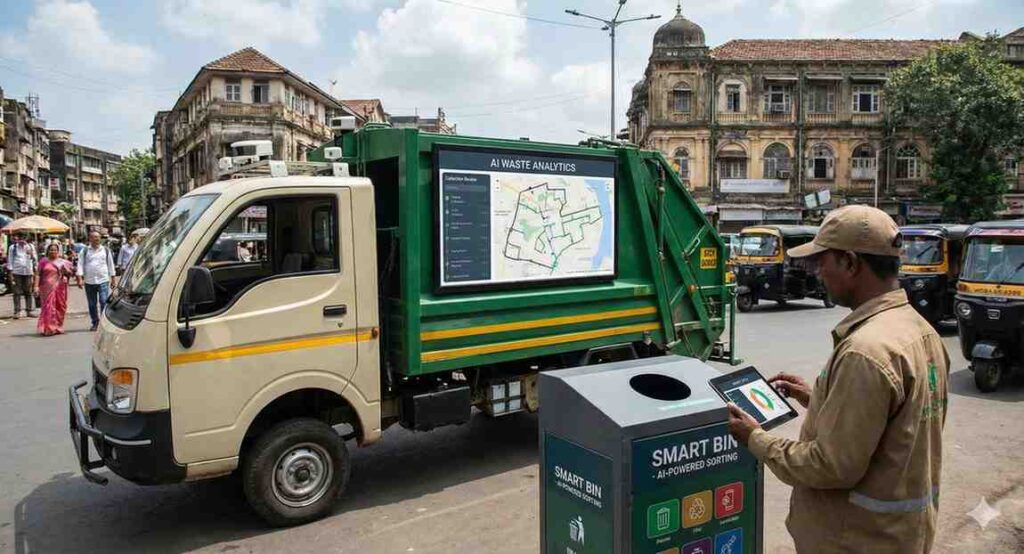
Introduction: Revolutionizing Waste Management with Artificial Intelligence India’s approach to waste management is undergoing a transformative shift with the integration of Artificial Intelligence (AI). As urban populations grow and the generation of waste becomes more voluminous and complex, traditional methods of waste management are proving inadequate. Recognizing this challenge, the Indian government and various stakeholders
Introduction: Revolutionizing Waste Management with Artificial Intelligence
India’s approach to waste management is undergoing a transformative shift with the integration of Artificial Intelligence (AI). As urban populations grow and the generation of waste becomes more voluminous and complex, traditional methods of waste management are proving inadequate. Recognizing this challenge, the Indian government and various stakeholders are leveraging AI technologies to enhance efficiency, improve recycling rates, and reduce environmental impacts. This strategic adoption of AI is aimed at creating a more sustainable and effective waste management system nationwide.
AI Innovations in Waste Management
The use of AI in waste management in India encompasses several innovative applications that are significantly improving the sector:
- Waste Sorting and Segregation: AI-powered robots and sorting systems are being implemented in waste processing facilities to automate the segregation of waste. These systems use machine learning algorithms and computer vision to identify, sort, and separate different types of waste materials, such as plastics, metals, organics, and paper. This automation increases the efficiency and accuracy of recycling processes.
- Collection Route Optimization: AI is optimizing waste collection routes through advanced algorithms that analyze data on waste generation patterns, traffic conditions, and bin fullness. This technology helps in planning the most efficient routes for collection trucks, reducing fuel consumption and operational costs, and minimizing the carbon footprint of waste collection.
- Predictive Maintenance of Equipment: AI tools are employed to predict when waste management equipment requires maintenance. By analyzing data from sensors on vehicles and machinery, AI predicts potential breakdowns before they occur, thus minimizing downtime and extending the lifespan of the equipment.
- Waste Volume Estimation: AI applications are used to estimate waste generation and accumulation in real-time using sensor data from waste bins and collection points. This data helps in dynamic scheduling of waste collection, ensuring that bins are not overflowing and that collection services are timely.
- Public Engagement and Education: AI-driven platforms are being developed to educate and engage the public in effective waste management practices. These platforms use AI to provide personalized feedback and incentives for proper waste disposal and participation in recycling programs.
Government Initiatives and Partnerships
To foster the adoption of AI in waste management, the Indian government has initiated several programs and partnerships:
- Smart Cities Mission: As part of this mission, AI technologies are integrated into waste management systems in various smart cities across India. The initiative aims to create model examples of efficient waste management that can be replicated in other urban areas.
- Swachh Bharat Mission (Clean India Mission): This nationwide campaign emphasizes the reduction of waste and promotes sanitation through the adoption of technology, including AI, to improve the cleanliness of cities.
- Public-Private Partnerships: The government is collaborating with tech companies and startups that specialize in AI to pilot and scale waste management solutions. These collaborations bring innovative technologies to the forefront of public service.
Challenges and Future Directions
While AI is set to revolutionize waste management in India, several challenges need to be addressed:
- High Initial Investment Costs: The deployment of AI technologies requires significant initial investments, which can be a barrier for their adoption at a wider scale.
- Data Privacy and Security: Ensuring the privacy and security of data collected through AI systems in waste management is crucial to maintain public trust.
- Skill Gap: There is a need for skilled professionals who can operate and maintain AI systems effectively. Training and capacity building are essential for the sustainable integration of AI in waste management.
Conclusion: Leading the Way in Sustainable Waste Management
AI’s role in transforming waste management practices in India represents a significant step towards sustainability and efficiency. By continuously innovating and overcoming challenges, India can lead by example in the use of technology to manage waste more effectively. This will not only improve environmental outcomes but also enhance the quality of life for its citizens, paving the way for a cleaner, greener future.





















Leave a Comment
Your email address will not be published. Required fields are marked with *