





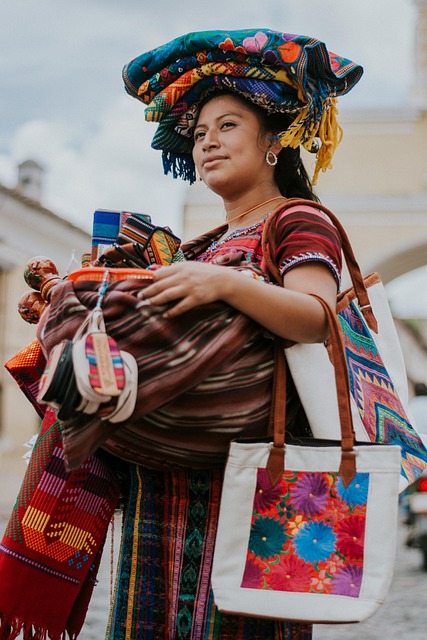
A Battle Between Heritage and ModernityUttar Pradesh, a state renowned for its rich cultural heritage, is home to some of India’s most iconic traditional crafts. From the fine silks of Banaras to the intricate Chikan embroidery of Lucknow, these crafts have not only been integral to the state’s economy but also to its identity. However,
A Battle Between Heritage and Modernity
Uttar Pradesh, a state renowned for its rich cultural heritage, is home to some of India’s most iconic traditional crafts. From the fine silks of Banaras to the intricate Chikan embroidery of Lucknow, these crafts have not only been integral to the state’s economy but also to its identity. However, with the rise of mass production, the future of these crafts appears uncertain. As global markets demand cheaper and faster alternatives, are we losing the essence of Uttar Pradesh’s traditional craftsmanship, or can these art forms adapt to the modern age?
The Rich Tapestry of UP’s Traditional Crafts
Key Crafts in Uttar Pradesh
- Banarasi Silk: Known for its opulent designs and high-quality silk, Banarasi silk weaving has been a hallmark of Varanasi’s artisans for centuries.
- Chikan Embroidery: This delicate form of hand-embroidery, popularized in Lucknow, is characterized by intricate floral patterns and fine needlework.
- Brassware and Metal Crafts: Cities like Moradabad have long been renowned for their brassware and metal handicrafts, which blend traditional designs with modern utility.
- Woodwork and Carpentry: In districts like Saharanpur, wood carving and furniture making remain a significant part of local craftsmanship.
- Pottery: Traditional clay pottery, especially from Khurja, is prized for its unique designs and enduring appeal.
The Impact of Mass Production
1. Cheap Imports and Copycat Designs
- Competition from Low-Cost Alternatives: With the influx of mass-produced goods from both domestic and international markets, traditional crafts are struggling to compete on price.
- Example: Machine-made Banarasi silk and mass-produced Chikan-embroidered fabrics often mimic the designs of authentic handcrafted products but are far cheaper, flooding the market with inferior alternatives.
2. Decline in Demand for Handmade Crafts
- Changing Consumer Preferences: Modern consumers, particularly in urban areas, have shifted toward mass-produced, ready-made products that are more affordable and readily available.
- Lack of Awareness: The cultural value and intricacy of handmade crafts are often overlooked, and younger generations are less inclined to appreciate or continue these artisanal practices.
3. Unregulated Production
- Imitation and Copyright Issues: The lack of robust intellectual property protections for traditional designs allows mass producers to replicate intricate crafts, robbing artisans of fair recognition and compensation.
- Undermining Originality: Large-scale manufacturers often copy patterns, designs, and techniques without respecting the craft’s cultural roots, diminishing the uniqueness of these art forms.
4. Loss of Livelihoods for Artisans
- Economic Pressures: As demand for handmade goods decreases, many artisans in Uttar Pradesh face economic hardship. Without a sustainable market, they are often forced to abandon traditional crafts in favor of alternative livelihoods.
- Example: The decline of Chikan embroidery in Lucknow has led many artisans to seek work in other sectors, unable to rely on a dwindling market for their craft.
Positive Developments and Adaptations
1. Government Initiatives and Schemes
- The Uttar Pradesh government has introduced various schemes like One District One Product (ODOP) to support artisans and promote traditional crafts at national and international levels.
- Handicraft Export Promotion: The state has invested in creating exhibitions, craft fairs, and online marketplaces to connect artisans with global buyers.
2. Revival of Craftsmanship in Urban Markets
- Sustainability Trend: There is a growing interest among urban consumers for handcrafted, sustainable goods, and some designers have successfully integrated traditional crafts into contemporary fashion and home decor.
- Example: Banarasi silk has seen a resurgence in high-end fashion, with designers incorporating traditional weaving techniques into modern garments. Similarly, Chikan embroidery is being used creatively in contemporary apparel.
3. Cultural Preservation and Innovation
- Collaboration with Designers: Many artisans have teamed up with designers and NGOs to modernize traditional crafts, creating new products that blend the old with the new.
- Revival Projects: Organizations like the Crafts Council of India and local NGOs are working to provide artisans with the tools, training, and markets to keep their crafts alive while ensuring they evolve with the times.
4. Increasing Awareness Among Consumers
- Educational Campaigns: Programs aimed at educating consumers on the cultural and artistic value of traditional crafts have sparked interest, especially among young people who are increasingly aware of sustainability and heritage preservation.
- Craft Tourism: Initiatives like craft tourism in Varanasi and Lucknow offer tourists the opportunity to experience traditional craft-making processes, creating a bridge between artisans and global markets.
Recommendations for Preserving Traditional Crafts
1. Strengthening Intellectual Property Protection
- Establish stronger mechanisms to protect traditional designs and intellectual property, ensuring that artisans receive fair compensation for their work.
- Provide legal frameworks for craftspeople to trademark their work and prevent unauthorized mass production.
2. Encouraging Craft Education and Skill Development
- Promote training programs and workshops that help younger generations learn and appreciate traditional craftsmanship.
- Collaborate with educational institutions to integrate craft preservation into the curriculum, ensuring future artisans are equipped with both traditional and modern skills.
3. Supporting Local Artisans with Fair Market Access
- Facilitate better market access for traditional crafts through fairs, e-commerce platforms, and exports, ensuring that artisans can sell their products at fair prices.
- Provide government subsidies, interest-free loans, or grants to support artisans and small-scale producers.
4. Promoting Sustainable and Ethical Craft Consumption
- Encourage the consumer market to support ethically produced, handmade goods, with a focus on sustainability and the preservation of heritage.
- Launch campaigns to highlight the value of traditional crafts in maintaining cultural identity and heritage.
Conclusion: Reviving Tradition in a Modern World
Uttar Pradesh’s traditional crafts are facing a crossroads, where mass production threatens their survival, yet innovation and government efforts offer a glimmer of hope. While challenges persist, the growing appreciation for cultural heritage and the blending of tradition with modern design may offer a sustainable path forward.
The survival of Uttar Pradesh’s traditional crafts hinges on a collective effort to protect these art forms from the pressures of mass production. By supporting artisans, preserving knowledge, and fostering awareness, the state can ensure that its rich cultural legacy endures for future generations.

















Leave a Comment
Your email address will not be published. Required fields are marked with *