





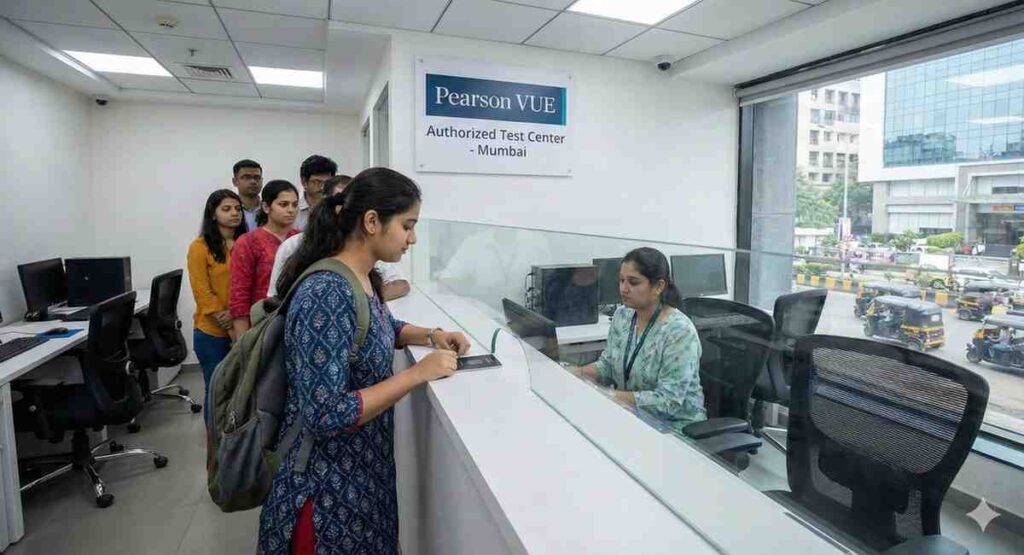
The Graduate Management Admission Test (GMAT) is a globally recognized exam for MBA aspirants, opening doors to top business schools in India and around the world. Preparing for the GMAT requires a strategic and disciplined approach to mastering its four sections: Analytical Writing Assessment (AWA), Integrated Reasoning (IR), Quantitative Reasoning, and Verbal Reasoning. Here’s a
The Graduate Management Admission Test (GMAT) is a globally recognized exam for MBA aspirants, opening doors to top business schools in India and around the world. Preparing for the GMAT requires a strategic and disciplined approach to mastering its four sections: Analytical Writing Assessment (AWA), Integrated Reasoning (IR), Quantitative Reasoning, and Verbal Reasoning. Here’s a detailed guide tailored to Indian students on how to prepare effectively for the GMAT.
1. Understand the GMAT Format
Familiarize yourself with the exam structure to know what to expect:
- Sections:
- Analytical Writing Assessment (AWA) – 30 minutes
- Integrated Reasoning (IR) – 30 minutes
- Quantitative Reasoning – 62 minutes
- Verbal Reasoning – 65 minutes
- Scoring:
- Total score ranges from 200 to 800 (Quantitative + Verbal).
- AWA and IR are scored separately.
Why It’s Important: Understanding the format helps you plan your study schedule and focus on high-weightage areas.
2. Create a Study Plan
A well-structured study plan is crucial for effective preparation.
- Assess Your Starting Point: Take a diagnostic test to identify your strengths and weaknesses.
- Set a Timeline: Most students require 2-3 months of focused preparation, studying 2-3 hours daily.
- Break It Down: Allocate specific days for Quantitative, Verbal, IR, and AWA sections.
Pro Tip: Use milestone goals (e.g., mastering basic Quant concepts in 2 weeks) to track progress.
3. Choose the Right Study Material
Quality resources are key to effective preparation.
- Books:
- Official Guide for GMAT Review (by GMAC) – Comprehensive and reliable.
- Manhattan Prep GMAT Series – Excellent for strategy and in-depth concepts.
- Veritas Prep GMAT Guides – Great for additional practice.
- Online Platforms:
- GMAT Official Prep Software (free practice tests).
- Magoosh GMAT or e-GMAT for video lessons and mock tests.
Why It Matters: Using trusted resources ensures you practice with material closely aligned to the actual exam.
4. Master the Quantitative Section
The Quantitative section focuses on problem-solving and data sufficiency.
- Key Topics:
- Arithmetic: Percentages, Ratios, Averages.
- Algebra: Equations, Inequalities.
- Geometry: Lines, Angles, Triangles.
- Word Problems: Rate, Work, Profit/Loss.
- Preparation Tips:
- Memorize formulas and shortcuts.
- Solve progressively harder problems to build confidence.
- Focus on Data Sufficiency questions—they require a unique approach.
Pro Tip: Use error logs to track mistakes and avoid repeating them.
5. Excel in the Verbal Section
The Verbal section tests reading comprehension, critical reasoning, and sentence correction.
- Preparation Tips:
- For Sentence Correction: Focus on grammar rules like subject-verb agreement, modifiers, and idioms.
- For Reading Comprehension: Practice skimming techniques to identify key ideas quickly.
- For Critical Reasoning: Understand argument structures and practice identifying assumptions and flaws.
Why It’s Important: The Verbal section is often challenging for non-native English speakers; consistent practice is crucial.
6. Tackle Integrated Reasoning and AWA
- Integrated Reasoning (IR):
- Focus on multi-source reasoning, graphical interpretation, and table analysis.
- Use practice tools like GMAT Navigator to analyze your approach.
- Analytical Writing Assessment (AWA):
- Practice structuring essays: Introduction, Argument Analysis, Conclusion.
- Use templates for clarity and coherence.
Pro Tip: Reviewing sample essays and IR questions helps build familiarity with these sections.
7. Practice with Mock Tests
Mock tests are invaluable for simulating the GMAT experience.
- Why Take Mocks:
- Understand the pacing of each section.
- Identify weak areas for targeted improvement.
- Where to Find Mocks:
- GMAT Official Prep (two free tests).
- Paid platforms like Kaplan or Princeton Review offer additional tests.
Tip: Analyze each test thoroughly—focus on both incorrect answers and time management.
8. Leverage Online Study Groups and Forums
Join GMAT-focused communities like GMAT Club or Beat The GMAT.
Why It Helps:
- Access peer support and insights.
- Get answers to challenging questions and share strategies.
9. Consider Coaching if Needed
If self-study feels overwhelming, consider enrolling in GMAT coaching.
Popular GMAT Coaching in India:
- TIME Institute
- Jamboree Education
- Manya – The Princeton Review
Tip: Choose a program with flexible schedules and personalized support.
10. Stay Consistent and Focused
GMAT preparation requires discipline.
- Set daily goals and stick to them.
- Take short breaks to avoid burnout.
- Stay motivated by reminding yourself of your MBA goals.
Conclusion
Preparing for the GMAT in India requires a blend of strategy, resources, and perseverance. By following a structured plan, leveraging quality materials, and practicing consistently, you can achieve a competitive score and open doors to top MBA programs in India and abroad.
Remember, the GMAT is as much about preparation as it is about mindset—stay confident, and success will follow!










Leave a Comment
Your email address will not be published. Required fields are marked with *