
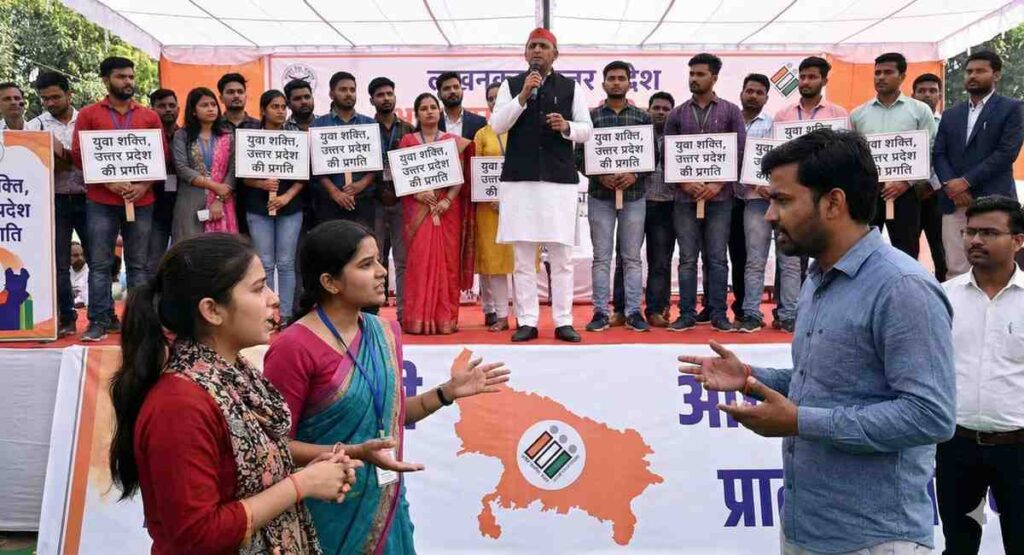
A New Era of Political EngagementUttar Pradesh, with a population exceeding 240 million, is home to one of the largest youth demographics in India. Nearly 60% of the state’s population is under the age of 30, giving young people an unparalleled influence over its political landscape. As the state evolves, the youth’s aspirations, ideas, and
A New Era of Political Engagement
Uttar Pradesh, with a population exceeding 240 million, is home to one of the largest youth demographics in India. Nearly 60% of the state’s population is under the age of 30, giving young people an unparalleled influence over its political landscape. As the state evolves, the youth’s aspirations, ideas, and demands will play a pivotal role in shaping Uttar Pradesh’s political future. But how will they wield this power, and will their engagement lead to meaningful change?
The Youth Factor: Demographics in Numbers
- Population Under 30: Over 140 million, accounting for more than half of the state’s electorate.
- Youth Voter Turnout (2022 Elections): Approximately 55% of eligible young voters participated, reflecting increasing political awareness.
- Employment Challenges: The unemployment rate among youth stood at 9.4% in 2023, higher than the state average of 3.2%.
- Education Levels: Literacy among young people is at 82%, showing promise for informed political participation.
The numbers reveal both opportunities and challenges. While the youth bring energy and fresh perspectives, they also face systemic barriers that could shape their political choices.
Youth Aspirations: What They Want
1. Better Education and Jobs
The youth of Uttar Pradesh prioritize education and employment opportunities. The state’s increasing focus on skill development through initiatives like Mission Rozgar and the State Skill Development Mission has garnered attention, but young voters demand more substantial and immediate results.
2. Technology and Innovation
As digital natives, the youth seek governance that embraces technology. Policies promoting startups, digital infrastructure, and innovation, like the UP Startup Policy 2020, are resonating with younger audiences.
3. Social Change
Issues like gender equality, caste discrimination, and climate change are becoming central to youth-driven conversations. Young people are pushing for leaders who address these challenges and promote inclusive development.
4. Political Accountability
Disillusioned with traditional politics, many young voters demand greater transparency and accountability from their leaders. They are drawn to political movements and candidates who challenge the status quo.
The Role of Youth in Shaping Political Trends
1. Influence on Elections
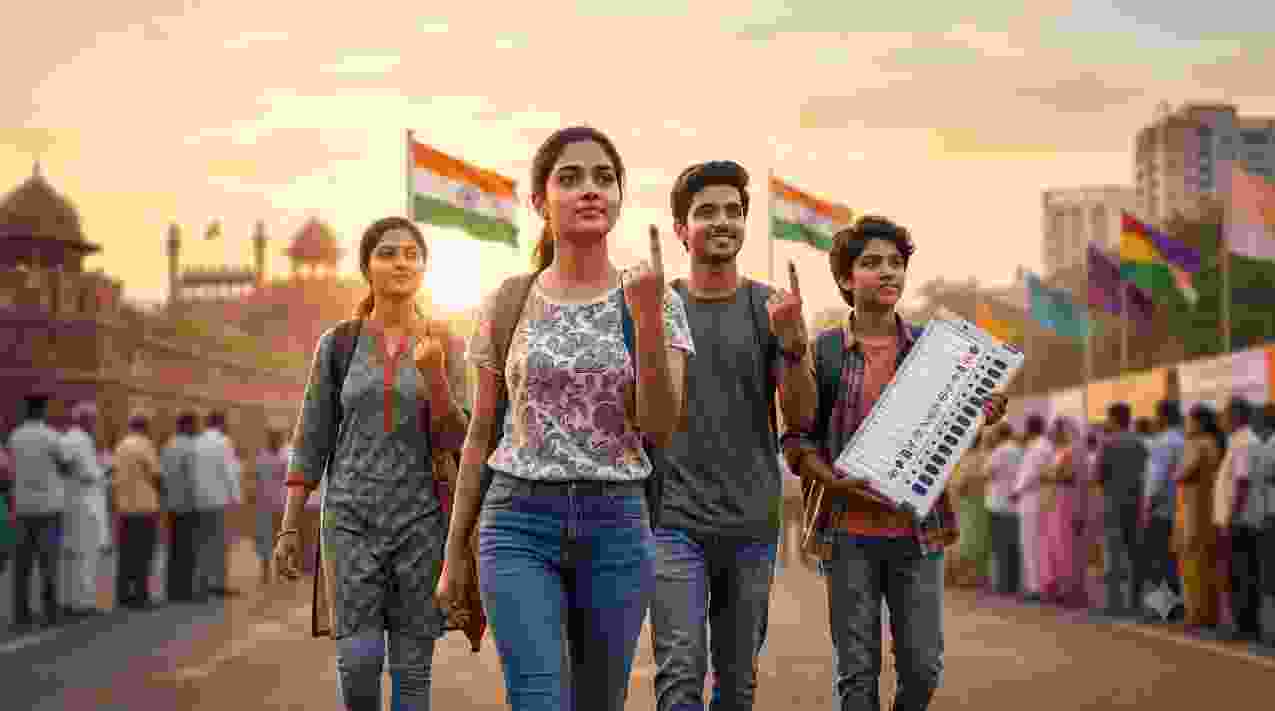
Youth voters are increasingly becoming a decisive factor in Uttar Pradesh elections. In the 2022 assembly polls, districts with higher youth voter turnout saw significant shifts in party performance, reflecting the growing political awareness among this demographic.
2. Digital Advocacy
Social media has become a powerful platform for youth to express their political views. Campaigns like #UPKaNayaSoch and youth-led initiatives during the elections have shown how digital spaces are reshaping political narratives in the state.
3. Emergence of Young Leaders
Young politicians are gaining traction in Uttar Pradesh’s political arena. Leaders like Tejashwi Yadav in Bihar and others in neighboring states serve as examples, prompting calls for generational change within Uttar Pradesh’s established parties.
4. Grassroots Activism
Youth-led grassroots movements are addressing issues like unemployment, education, and corruption. These movements not only highlight critical challenges but also foster political engagement at the local level.
Challenges to Youth Political Participation
1. Systemic Barriers
Young candidates often face financial and structural challenges when entering politics, limiting their representation in legislative bodies.
2. Cynicism Toward Politics
Disillusionment with corruption and unfulfilled promises can lead to apathy among young voters, reducing their active participation.
3. Unemployment and Migration
With high unemployment rates, many young people migrate to other states, diluting their political impact within Uttar Pradesh.
4. Dominance of Traditional Power Structures
Caste and regional politics continue to dominate, often sidelining merit-based leadership and progressive agendas favored by youth.
The Path Forward: Harnessing Youth Potential
- Promoting Youth Leadership
Political parties must invest in grooming young leaders by creating platforms for them to voice their ideas and take on leadership roles. - Encouraging Civic Education
Incorporating political and civic education in schools and colleges can prepare the youth for informed decision-making and greater engagement. - Leveraging Technology
Digital platforms should be used to bridge the gap between policymakers and youth, ensuring their voices are heard in governance and legislative processes. - Inclusive Policies
Policies addressing education, employment, and social justice must reflect the aspirations of young voters, encouraging their continued participation. - Strengthening Grassroots Movements
Encouraging youth-led initiatives at the community level can create a pipeline of politically aware and active citizens who influence local governance.
Conclusion
The youth of Uttar Pradesh hold the key to the state’s political future. Their numbers, coupled with their growing awareness and demands for change, make them a force to be reckoned with. However, realizing this potential requires systemic efforts to address their challenges, harness their aspirations, and integrate them into the political process meaningfully.
As Uttar Pradesh moves forward, the question is not whether the youth will shape its politics, but how. Will they lead a transformation toward a more inclusive and accountable governance model, or will traditional power structures continue to dominate? The answer lies in the choices made by leaders and young voters alike.








Leave a Comment
Your email address will not be published. Required fields are marked with *