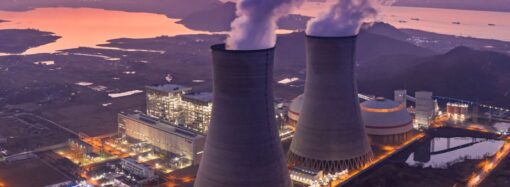
Nuclear fusion closer to becoming a reality
- SCIENCE
- March 2, 2015


Examining India’s Progress Toward Leadership Rooted in Ethics, Vision, and Public Welfare Key Highlights Introduction Leadership in a democracy is more than governance—it is about setting a vision for progress, ensuring equity, and fostering trust. India, the world’s largest democracy, has a storied history of visionary leaders who shaped its socio-political fabric. However, as the
READ MORE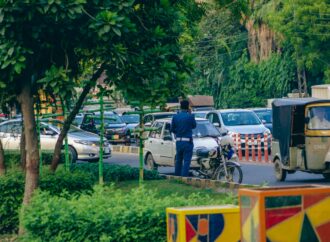
The Growing Challenge of Congestion and Inefficiency in Agra’s Traffic System Key Metrics: Agra, a city steeped in history and home to one of the world’s most famous monuments, the Taj Mahal, is increasingly becoming a symbol of India’s growing traffic woes. With its bustling streets and the constant influx of both tourists and residents,
READ MORE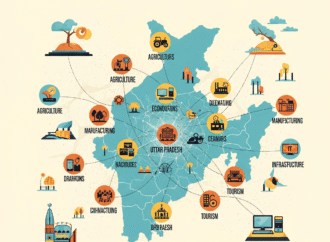
Introduction Uttar Pradesh (UP), India’s most populous state, has set ambitious targets to position itself as a key driver of the country’s economic growth. With its vision to become a $1 trillion economy, the state is implementing innovative economic policies and modern governance frameworks to foster growth and inclusivity. But can UP truly emerge as a
READ MORE
New Delhi, 2025 — In the realm of governance, political leadership is more than just a position of authority—it is a moral and ethical responsibility. Leaders are entrusted with the power to shape laws, influence public discourse, and guide societies through complex challenges. However, the intersection of ethics and political leadership has long been a subject of debate.
READ MORE
As Artificial Intelligence (AI) and advanced technologies redefine industries across the globe, MBA programs are undergoing a seismic shift to prepare future business leaders for a tech-driven world. From incorporating cutting-edge tools to integrating data-driven decision-making methodologies, MBA curriculums are evolving to ensure graduates remain competitive in an increasingly digitized and automated economy. Here’s a
READ MORE
Kathmandu, September 2025 — Nepal’s current turmoil has exposed a disturbing truth about modern uprisings: decentralised protests, without leaders or clear hierarchies, may be the hardest to control — and the most destructive. A Movement Without a Face The uprising that forced Prime Minister K. P. Sharma Oli to resign this month has no commanding
READ MORE