
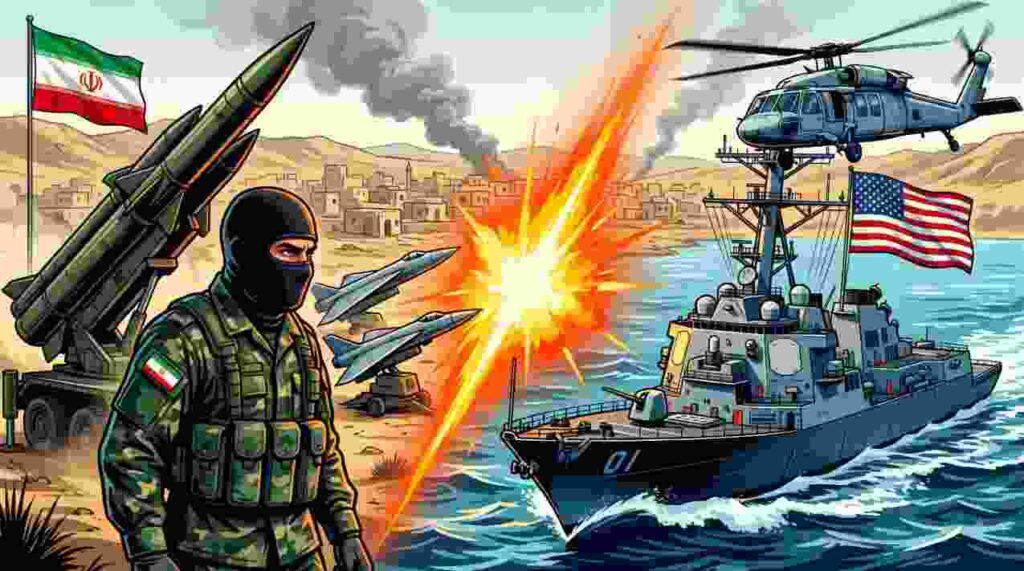
A recent announcement by Iran’s military leadership offering financial rewards for attacks on U.S. troops marks a significant escalation in regional tensions. This development raises concerns about the potential for increased conflict in the Middle East. New Delhi, August 2026 — Iranian Army Chief Mojtaba’s declaration of a $30,000 reward for killing or capturing U.S.
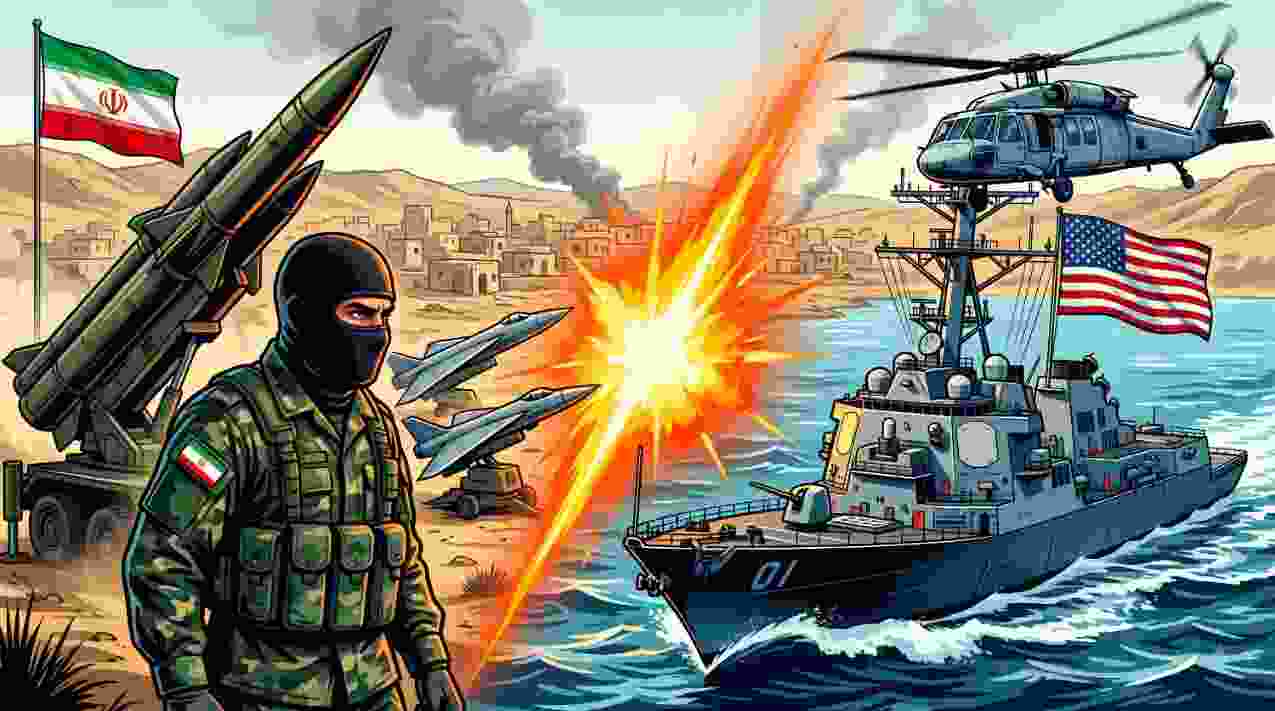
A recent announcement by Iran’s military leadership offering financial rewards for attacks on U.S. troops marks a significant escalation in regional tensions. This development raises concerns about the potential for increased conflict in the Middle East.
New Delhi, August 2026 — Iranian Army Chief Mojtaba’s declaration of a $30,000 reward for killing or capturing U.S. soldiers signals a notable shift in Iran’s military strategy, aligning with its ongoing adversarial stance towards the United States. This announcement comes amidst increased hostilities in the region, including recent skirmishes involving Iranian-backed militias.
Why Did Iran Make This Announcement?
Iran’s incentive program is perceived as a direct response to increased American military presence in the Gulf and ongoing tensions surrounding Iran’s nuclear ambitions. Experts suggest that this bold move may aim to bolster domestic morale among Iranian forces while simultaneously deterring U.S. operations in the region. By directly incentivizing attacks against U.S. personnel, Iran may also seek to signal to its regional allies that it remains a formidable adversary.
What Does This Mean for India?
India, which maintains a delicate balance in its foreign relations, may find itself navigating a more complex geopolitical landscape as Iran’s aggressiveness escalates. Given India’s economic interests in both the U.S. and Iran, particularly in energy imports, the potential for conflict could disrupt trade routes and energy supplies critical to India’s growth. Strategic analysts in New Delhi are already contemplating the implications of such a conflict on India’s regional security framework.
What Should You Watch Next?
- The reactions from U.S. military officials and potential countermeasures.
- Responses from other nations in the Gulf region, particularly Saudi Arabia and Israel.
- Future developments regarding Iran’s nuclear program and diplomatic efforts for de-escalation.
Iran’s announcement has already elicited sharp criticism from Washington, with U.S. officials labeling it as a dangerous provocation. The situation could further complicate diplomatic efforts aimed at reviving the Joint Comprehensive Plan of Action (JCPOA), which has been stalled for several months. With tensions high, international observers are closely monitoring military movements in the region.
What Happens Next?
The potential for increased violent confrontations cannot be overstated, as both sides appear entrenched in their positions. Analysts predict that unless immediate diplomatic channels are activated, we may witness an uptick in militant activities against U.S. forces, which could spiral into broader conflict. For India, the geopolitical ramifications could necessitate a recalibration of its foreign policy, especially as it seeks to maintain stability while protecting its economic interests in a volatile region.










Leave a Comment
Your email address will not be published. Required fields are marked with *