
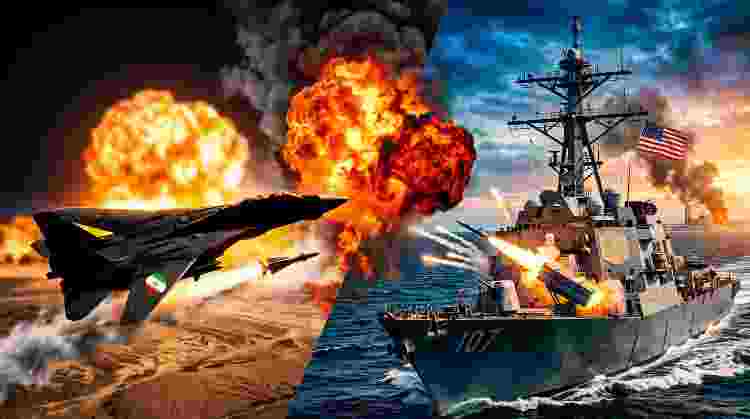
Iran has launched retaliatory attacks against U.S. forces stationed in Jordan, marking a significant escalation in regional tensions. This development could reshape U.S. foreign policy in the Middle East and impact global energy markets. New Delhi, August 2026 — Iran’s recent military actions against U.S. forces in Jordan have raised alarms across the international community,
Iran has launched retaliatory attacks against U.S. forces stationed in Jordan, marking a significant escalation in regional tensions. This development could reshape U.S. foreign policy in the Middle East and impact global energy markets.
New Delhi, August 2026 — Iran’s recent military actions against U.S. forces in Jordan have raised alarms across the international community, as tensions between the two nations reach unprecedented levels. The strikes are perceived as a direct response to ongoing sanctions and military interventions by the United States in the region.
Why Did Iran Launch These Attacks?
Iran’s decision to carry out these attacks stems from a long history of grievances against U.S. involvement in the Middle East. Following the assassination of Iranian General Qasem Soleimani in 2020 and continued sanctions that have crippled its economy, Iran has vowed to retaliate against perceived aggressions. Experts suggest that these strikes are not only intended as a show of strength but also as a message to allies and adversaries about Iran’s resolve.
What Does This Mean for India?
India, which maintains strong ties with both the U.S. and Iran, finds itself in a precarious position. The escalating conflict could disrupt India’s energy imports, as Iran is a key supplier of crude oil. Moreover, India’s strategic interests in the region may be jeopardized, prompting New Delhi to reconsider its diplomatic strategies and energy security framework.
What Should You Watch Next?
- The international response from the United Nations and key global powers.
- The potential impact on global oil prices and energy security.
- Reactions from India and its strategic partners in the region.
As the situation unfolds, analysts are closely monitoring the potential for further military escalation. Iran has indicated that it may take additional actions if U.S. forces do not withdraw from the region, raising concerns about a broader conflict. The U.S. response will be critical in determining the course of events, and a miscalculation could lead to widespread instability in the Middle East.
What Happens Next?
Looking ahead, the geopolitical landscape could shift dramatically as both Iran and the U.S. reassess their military and diplomatic strategies. The Biden administration may face pressure to respond decisively to protect U.S. personnel while balancing the need for diplomatic engagement. For countries like India, the repercussions of this conflict could necessitate a reevaluation of foreign policy priorities, particularly concerning energy security and regional stability.











Leave a Comment
Your email address will not be published. Required fields are marked with *