
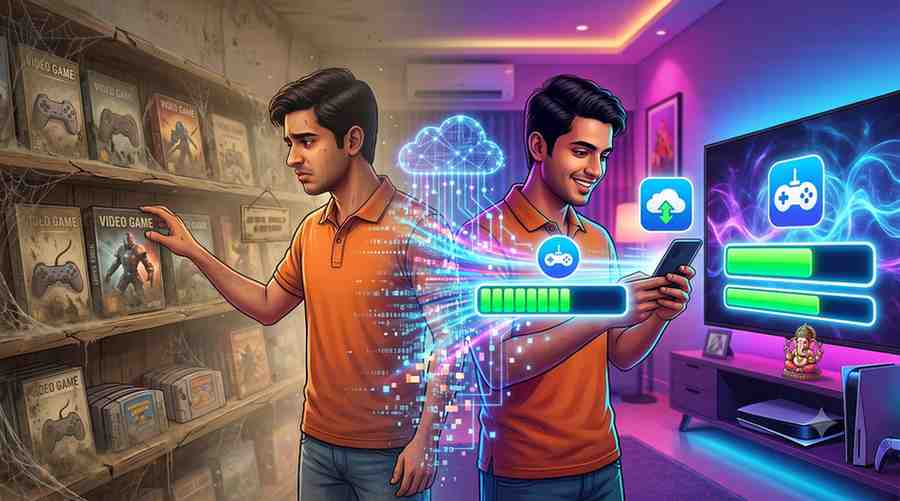
The decline of physical video games is driven by the rise of digital platforms and changing consumer preferences. This shift raises concerns about accessibility, ownership, and the future of gaming in India. New Delhi, August 2026 — The gaming landscape is undergoing a seismic transformation as physical video games face a significant decline, largely due
The decline of physical video games is driven by the rise of digital platforms and changing consumer preferences. This shift raises concerns about accessibility, ownership, and the future of gaming in India.
New Delhi, August 2026 — The gaming landscape is undergoing a seismic transformation as physical video games face a significant decline, largely due to the growing popularity of digital platforms. Industry experts warn that this shift poses challenges for consumers, particularly in India, where physical game ownership has traditionally been a cornerstone of the gaming experience.
Why Did This Happen?
The decline of physical games can be attributed to several factors, including the convenience of digital downloads and subscription services. With platforms like PlayStation Network and Xbox Game Pass offering vast libraries of games at the click of a button, many gamers are opting for digital versions over physical copies. Additionally, the COVID-19 pandemic accelerated this trend as lockdowns forced consumers to turn to online gaming.
What Does This Mean for India?
In India, the impact of this shift is profound. The country has seen a surge in mobile gaming, with over 500 million gamers today, driving a preference for digital formats. However, this transition also raises concerns about digital access, particularly in rural areas where internet connectivity remains a challenge. Moreover, the potential loss of physical game stores could negatively affect local economies that rely on sales of physical copies.
What Are the Key Takeaways?
- Physical game sales have declined as digital platforms gain popularity.
- The shift towards digital gaming raises issues of accessibility and ownership.
- India’s gaming landscape is rapidly changing, with mobile gaming leading the charge.
- Local economies may suffer from the decline of physical game retail.
What Happens Next?
As the gaming industry continues to evolve, stakeholders must address the implications of this digital shift. Policymakers may need to consider regulations that protect consumer rights in digital transactions, ensuring gamers retain ownership of their purchases. Furthermore, investment in internet infrastructure will be crucial to ensure that all gamers, regardless of their location, have access to the evolving digital landscape. The future of gaming in India will depend on how these challenges are met, balancing innovation with inclusivity.











Leave a Comment
Your email address will not be published. Required fields are marked with *