





Faith or Formula: The Struggle Between Tradition and Personal Truth in Modern India In India, a land where spirituality is as old as civilization itself, faith is often inherited, practiced, and passed down through generations. But in today’s rapidly evolving society, a poignant question arises: Are we genuinely exploring and forming our own beliefs, or
Faith or Formula: The Struggle Between Tradition and Personal Truth in Modern India
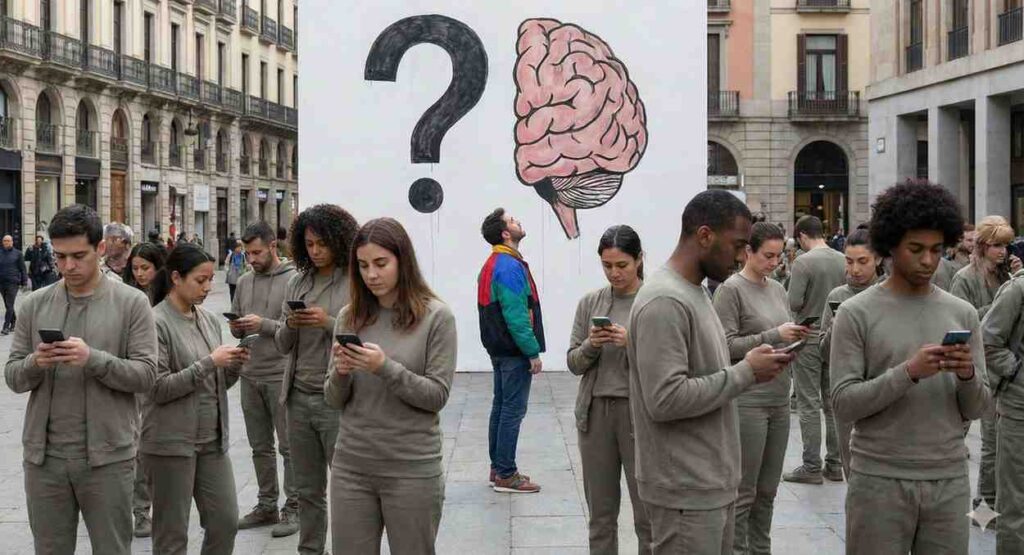
In India, a land where spirituality is as old as civilization itself, faith is often inherited, practiced, and passed down through generations. But in today’s rapidly evolving society, a poignant question arises: Are we genuinely exploring and forming our own beliefs, or are we merely conforming to traditions for the sake of societal acceptance?
The Power of Inherited Beliefs
For many Indians, belief systems are deeply tied to family, community, and cultural identity:
- Ritualistic Continuity: From celebrating festivals like Diwali and Eid to observing fasting rituals, most spiritual practices are learned at home and followed without questioning their origins or purposes.
- Cultural Identity: Beliefs serve as a marker of belonging, and questioning them can feel like rejecting one’s heritage or alienating oneself from the community. This makes conformity a safer choice for many.
- Fear of Ostracism: In tight-knit communities, deviating from established beliefs can lead to judgment or even social exclusion, creating pressure to conform rather than question.
The Cost of Conformity
While conformity can provide a sense of stability and belonging, it often comes at a significant personal cost:
- Stifled Individuality: Blind adherence to prescribed beliefs can prevent individuals from exploring their unique spiritual or philosophical inclinations.
- Superficial Faith: When beliefs are inherited rather than formed, they may lack the depth and conviction that come from personal exploration and understanding.
- Resistance to Change: Conformity can perpetuate outdated practices, such as caste-based discrimination or gender roles, under the guise of tradition.
The Role of Personal Exploration
For those who dare to question, forming one’s own beliefs can be a liberating journey:
- Philosophical Growth: India’s spiritual history is rich with traditions of questioning, as seen in the dialogues of the Upanishads and the teachings of the Buddha. Exploring beliefs through critical thinking and self-reflection is not just encouraged but celebrated in many Indian philosophical schools.
- Blending Tradition and Individuality: Personal exploration does not have to mean abandoning tradition. Many individuals find ways to reinterpret traditional practices in ways that resonate with their modern lives and values.
- The Influence of Rationalism: Figures like Javed Akhtar advocate for a rational approach to beliefs, emphasizing the importance of questioning and evidence over blind acceptance. This perspective encourages individuals to build a framework of beliefs that align with their own understanding of the world.
The Digital Age and the Shift Towards Individuality
The internet has opened up avenues for exploring diverse spiritual and philosophical ideas, empowering individuals to step out of their inherited frameworks:
- Access to Global Philosophies: From mindfulness rooted in Buddhism to the secular spirituality of Stoicism, Indians today have access to a wide range of belief systems that can enrich their understanding.
- Communities of Like-Minded Seekers: Online forums and social media platforms provide spaces for dialogue and connection with others on similar journeys of self-discovery.
Finding Balance: Tradition and Personal Truth
The challenge lies in finding a balance between respecting one’s heritage and exploring one’s personal truth:
- Engaging with Tradition: Instead of blindly following rituals, individuals can engage with their traditions by understanding their origins and deeper meanings.
- Building Personal Practices: Spirituality can be a blend of inherited wisdom and personal discovery, creating a unique practice that feels both rooted and authentic.
Conclusion: From Conformity to Authenticity
In a society as diverse and spiritually rich as India, the choice between conforming to beliefs and forming one’s own is not a binary one. It is a journey of introspection, questioning, and dialogue. By daring to explore and embrace their unique spiritual paths, individuals not only find authenticity but also enrich the larger tapestry of Indian faith and philosophy.
Ultimately, faith is most meaningful when it reflects not just the traditions of the past but the truths of the present, shaped by personal experiences and a willingness to question, learn, and grow.










Leave a Comment
Your email address will not be published. Required fields are marked with *