
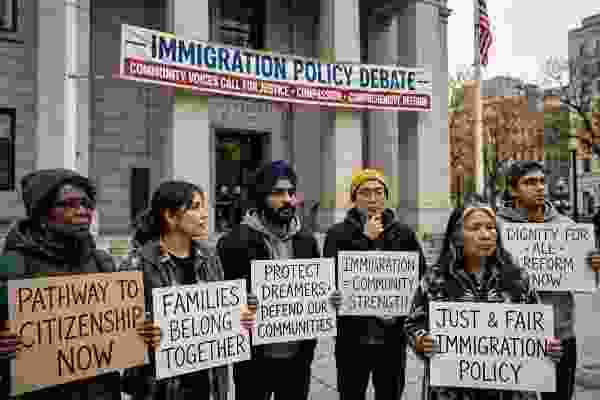
The ongoing debate surrounding former President Donald Trump’s immigration policies has intensified, with critics accusing him of disproportionately targeting Black immigrants. This controversy highlights broader concerns about racial discrimination within U.S. immigration enforcement. New Delhi, September 2026 — A recent discussion led by U.S. Congressman Al Green has brought renewed attention to the implications of
The ongoing debate surrounding former President Donald Trump’s immigration policies has intensified, with critics accusing him of disproportionately targeting Black immigrants. This controversy highlights broader concerns about racial discrimination within U.S. immigration enforcement.
New Delhi, September 2026 — A recent discussion led by U.S. Congressman Al Green has brought renewed attention to the implications of former President Donald Trump’s immigration policies, specifically regarding their impact on Black immigrant communities. Green’s remarks reflect a growing sentiment among lawmakers who argue that these policies exacerbate existing racial inequalities.
Why Did This Happen?
Al Green’s allegations stem from a series of controversial immigration enforcement actions implemented during Trump’s presidency. These policies included heightened scrutiny and deportation efforts targeting specific immigrant groups, which critics argue were racially motivated. Green’s comments underscore a broader narrative that links immigration reform to systemic racial injustices, a topic that resonates deeply with many constituents.
What Does This Mean for America?
The implications of these accusations are significant for the United States’ political landscape, especially as the nation approaches the 2026 elections. Discussions about race and immigration are becoming increasingly intertwined, with candidates facing pressure to address equity issues head-on. Trump’s approach not only affects public sentiment but also shapes the Democratic Party’s strategy in appealing to minority voters.
What Should You Watch Next?
- The potential backlash against Trump’s policies in upcoming elections.
- Responses from Republican leaders regarding these accusations.
- Legislative initiatives aimed at reforming immigration policy in a more equitable manner.
Experts suggest that the controversy may galvanize voter turnout among marginalized communities, as they seek representation and justice. The dialogue surrounding race and immigration is likely to influence campaign strategies, potentially reshaping the priorities of both major political parties.
What Happens Next?
As the political climate heats up, it will be crucial to monitor how these discussions evolve. Anticipated debates and public forums will likely focus on how to create a more inclusive immigration policy that addresses the concerns raised by lawmakers like Green. The outcome could have far-reaching effects not only on U.S. domestic policy but also on international perceptions of America’s commitment to racial equality.











Leave a Comment
Your email address will not be published. Required fields are marked with *