

Gen Z appears disillusioned with traditional politicians, favoring authenticity and progressive values over established norms. This trend could reshape the political strategies of major parties as they seek to engage a demographic that will soon dominate the electorate. New Delhi, August 2026 — A recent discussion highlights that many members of Generation Z are unlikely
Gen Z appears disillusioned with traditional politicians, favoring authenticity and progressive values over established norms. This trend could reshape the political strategies of major parties as they seek to engage a demographic that will soon dominate the electorate.
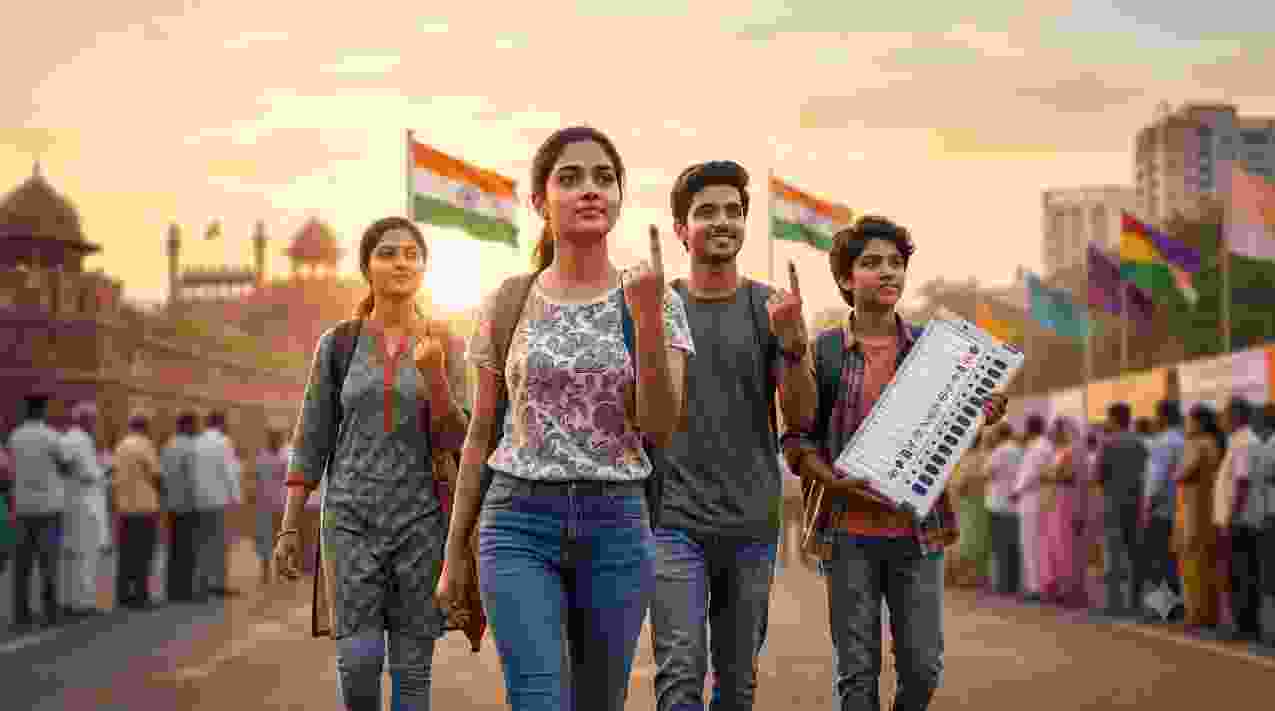
New Delhi, August 2026 — A recent discussion highlights that many members of Generation Z are unlikely to support the average politician, raising questions about the future of political engagement in India. As this youth demographic becomes increasingly influential, their preferences could force political parties to reevaluate their strategies.
Why Did This Happen?
This sentiment among Gen Z stems from a growing frustration with the status quo and a desire for more relatable leadership. Many young voters express a lack of trust in traditional politicians, who they see as out of touch with contemporary issues such as climate change, social justice, and digital rights. A recent survey indicated that nearly 70% of young voters prioritize candidates who demonstrate transparency and authenticity.
What Does This Mean for India?
The implications for India’s political landscape are profound as Gen Z begins to vote in larger numbers. Political parties may need to adapt their messaging and candidate selection to resonate with younger voters. This shift could lead to a rise in grassroots movements and independent candidates who promise to bring about change and challenge the established order.
What Should You Watch Next?
- Expect increased campaigns focused on social media platforms targeting young voters.
- Watch for a surge in youth-led political movements and independent candidates.
- Monitor how established parties respond to the demand for authenticity and transparency.
As political parties scramble to connect with this new voting bloc, the potential for a transformative election cycle looms large. The ongoing dialogue about the disillusionment with traditional politicians could pave the way for innovative policies and a more engaged citizenry. With Gen Z’s values at the forefront, issues like climate action and digital rights may soon dominate political discourse.
What Happens Next?
In the coming months, political analysts suggest that parties will increasingly focus on youth engagement strategies, incorporating digital platforms to communicate effectively. The rise of youth-led initiatives could also reshape local and national elections, fostering a more participatory democracy. As Gen Z continues to assert their preferences, the future of Indian politics may hinge on its ability to adapt to their evolving expectations.










Leave a Comment
Your email address will not be published. Required fields are marked with *