





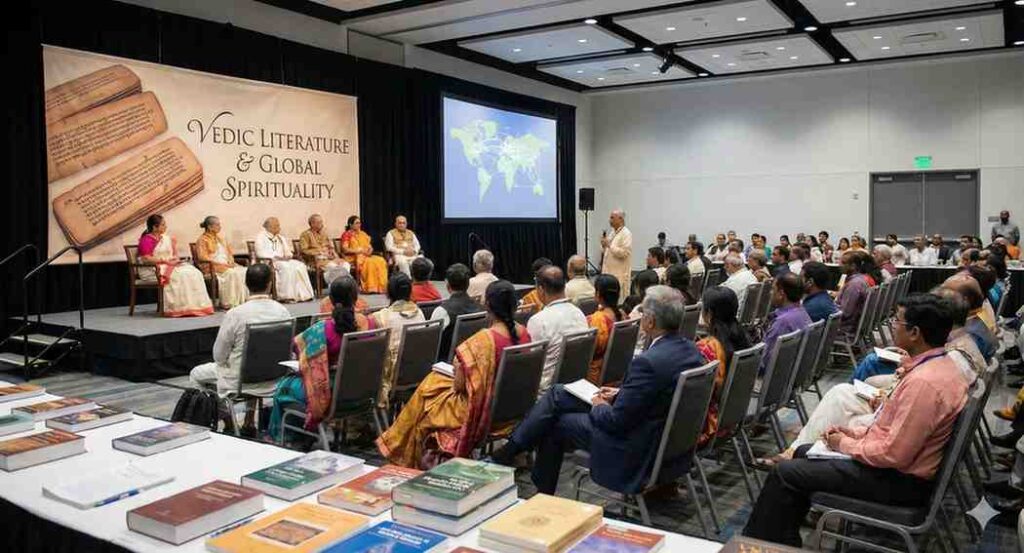
“From Ancient Hymns to Modern Mindfulness: How Vedic Teachings Shape Global Spirituality” The Vedas, the foundational texts of Hindu philosophy, have transcended their historical and cultural origins to inspire spiritual thought across the globe. Composed between 1500 BCE and 500 BCE, these texts address universal questions about existence, consciousness, and the nature of reality. Their
“From Ancient Hymns to Modern Mindfulness: How Vedic Teachings Shape Global Spirituality”
The Vedas, the foundational texts of Hindu philosophy, have transcended their historical and cultural origins to inspire spiritual thought across the globe. Composed between 1500 BCE and 500 BCE, these texts address universal questions about existence, consciousness, and the nature of reality. Their teachings have profoundly influenced global spiritual movements, from the rise of transcendental meditation in the West to the incorporation of yoga and mindfulness into modern wellness practices.
Core Teachings of Vedic Literature
- Unity of Existence:
- The Rigveda’s verse, “Ekam Sat Vipra Bahudha Vadanti” (Truth is one, but the wise call it by many names), highlights the inclusivity and universality of Vedic philosophy, resonating with global spiritual seekers.
- Meditation and Mindfulness:
- The Upanishads, often called the “end of the Vedas,” emphasize self-inquiry and meditation, laying the foundation for practices like mindfulness and transcendental meditation. These teachings align with universal aspirations for inner peace and self-awareness.
- Interconnectedness with Nature:
- The Vedas’ reverence for natural elements and ecological harmony inspires contemporary environmental ethics and spiritual movements that emphasize living in balance with nature.
Global Adoption of Vedic Principles
- Yoga and Meditation:
- Rooted in Vedic philosophy, yoga has evolved into a global phenomenon, with the United Nations declaring June 21 as International Yoga Day.
- Practices like pranayama (breath control) and mantra meditation, derived from the Vedas, have been widely adopted to promote mental health and spiritual growth.
- Transcendental Meditation Movement:
- Popularized by Maharishi Mahesh Yogi in the 20th century, transcendental meditation draws directly from Vedic teachings on the power of mantras and the transcendence of the mind. This practice has gained a following among global leaders, celebrities, and wellness enthusiasts.
- Philosophical Resonance:
- Thinkers like Ralph Waldo Emerson and Henry David Thoreau were deeply influenced by the Upanishads, integrating Vedic insights into the Transcendentalist movement in the United States.
Modern Interpretations and Challenges
- Cultural Integration:
- The universal themes of Vedic philosophy have allowed it to integrate seamlessly into diverse spiritual traditions worldwide, from New Age practices to interfaith dialogues.
- Misinterpretations:
- Critics caution against the oversimplification or commodification of Vedic teachings, emphasizing the need to approach them with authenticity and respect for their cultural origins.
Global Recognition of Vedic Heritage
- UNESCO Recognition:
- Vedic chanting has been recognized as an Intangible Cultural Heritage by UNESCO, highlighting its global importance.
- Academic and Spiritual Study:
- Universities and spiritual organizations worldwide continue to study and teach Vedic texts, ensuring their preservation and relevance in contemporary thought.
Conclusion
Vedic literature’s influence on global spiritual thought is a testament to its timeless wisdom and universal appeal. By addressing fundamental questions about existence, interconnectedness, and self-realization, the Vedas have inspired countless individuals and movements across cultures and continents.
In a world increasingly seeking balance, mindfulness, and harmony, the Vedic vision offers profound guidance, reminding humanity of its shared spiritual heritage and the enduring quest for truth.





















Leave a Comment
Your email address will not be published. Required fields are marked with *