





Key Highlights In 2026, GST penalties are less about “big raids” and more about small negligence becoming system-detectable. The portal now exposes your compliance gaps quickly: missing returns, mismatches, delayed uploads, and unexplained differences. What triggers late fees most often?Simple: late filing. The GST portal’s return filing guidance includes how late fee is computed for GSTR-3B—based
Key Highlights
- Late fee math is brutally simple: delay days × per-day rate (and it differs for nil vs liability cases). GST Tutorial
- Missed filing can block future filings due to system dependencies—delays snowball. GST Tutorial+1
- Notices and intimations are increasingly workflow-based (mismatch, self-correction, voluntary payment routes). GST Tutorial+2GST Tutorial+2
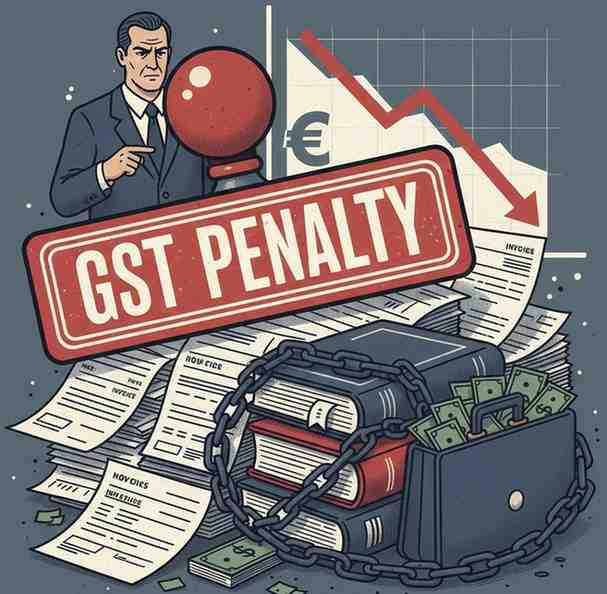
In 2026, GST penalties are less about “big raids” and more about small negligence becoming system-detectable. The portal now exposes your compliance gaps quickly: missing returns, mismatches, delayed uploads, and unexplained differences.
What triggers late fees most often?
Simple: late filing. The GST portal’s return filing guidance includes how late fee is computed for GSTR-3B—based on the delay duration and whether there is liability or nil liability. GST Tutorial
Why late fees become a compounding problem
Because filing blocks and sequencing can stop you from moving forward. Portal guidance indicates sequential filing expectations and related restrictions that can turn one missed month into a chain reaction. GST Tutorial+1
What kinds of notices should businesses expect more in 2026?
Mismatch-driven intimations are now a routine compliance feature. The GST portal provides a pathway and document guidance around ITC mismatch intimations (DRC-01C). GST Tutorial
Separately, guidance exists for voluntary payment windows and how taxpayers can respond through proper forms. GST Tutorial+1
Micro-questions that prevent penalty situations
- “Are we filing each return on time, without leaving dependencies pending?” GST Tutorial
- “Do we have any previous-period late fee/interest pending that blocks actions like nil filings?” GST Tutorial
- “Did we check the portal’s Return Compliance section for mismatch intimations?” GST Tutorial
- “If we found an error, are we correcting early rather than waiting for SCN?” GST Tutorial+1
A 2026 penalty-avoidance playbook (tight and realistic)
- Calendar discipline: treat GSTR-1/3B due dates like payroll—non-negotiable. GST Tutorial+1
- One-day rule: reconcile in the first week of the month, not on the 19th night.
- Mismatch triage: check DRC-01C style intimations and close them fast. GST Tutorial
- Voluntary correction mindset: if liability is clear, use the proper voluntary payment route instead of letting it become a dispute. GST Tutorial+1
The bottom line
GST penalties in 2026 are avoidable for most honest businesses—if you treat compliance like an operating system, not an annual ritual. The portal increasingly rewards those who reconcile early, file sequentially, and respond to intimations quickly.



















Leave a Comment
Your email address will not be published. Required fields are marked with *