





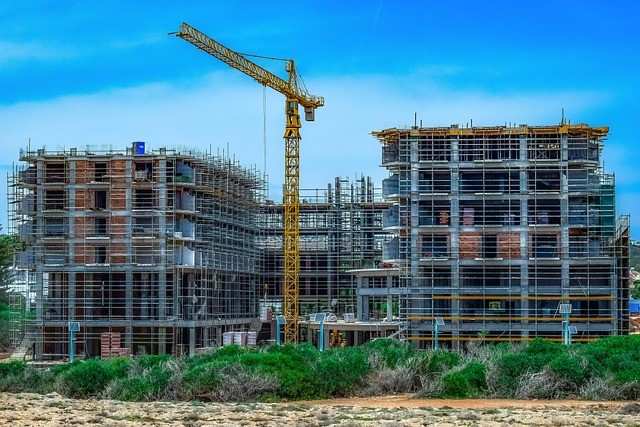
A State in Transition: Progress or Pitfall?Uttar Pradesh, India’s most populous state, is undergoing an ambitious transformation driven by an array of massive infrastructure projects. From expressways to airports, the state is positioning itself as a hub for economic growth and development. However, the rapid pace of urbanization, coupled with the scale and scope of
A State in Transition: Progress or Pitfall?
Uttar Pradesh, India’s most populous state, is undergoing an ambitious transformation driven by an array of massive infrastructure projects. From expressways to airports, the state is positioning itself as a hub for economic growth and development. However, the rapid pace of urbanization, coupled with the scale and scope of these ventures, raises critical questions. Are these projects the key to unlocking Uttar Pradesh’s potential, or are they misguided ventures that fail to address the state’s long-term needs?
Key Infrastructure Developments in Uttar Pradesh
1. Expressways and Road Networks
Uttar Pradesh is witnessing the construction of several high-profile expressways, with the Purvanchal Expressway, Ganga Expressway, and Bundelkhand Expressway being some of the most ambitious.
- Key Fact: The state has invested over ₹20,000 crore in expanding its road network, aiming to enhance connectivity across rural and urban areas.
2. Airports and Logistics Hubs
- The development of Jewar International Airport, which is expected to handle 12 million passengers annuallyby 2025, promises to boost Uttar Pradesh’s connectivity and economic prospects.
- Similarly, the Udhamsingh Nagar Freight Corridor and logistics parks in cities like Noida are designed to transform the state into a logistics powerhouse.
3. Smart Cities and Urban Development
As part of the Smart Cities Mission, cities like Lucknow, Agra, and Varanasi have been earmarked for upgrades in infrastructure, including smart traffic management, waste management systems, and improved public amenities.
- The Kashi Vishwanath Corridor project, aimed at enhancing the religious tourism experience in Varanasi, has already reshaped the city’s landscape.
4. Water and Sanitation Projects
In line with the Namami Gange Program, several projects have been launched to clean and rejuvenate the Ganga and its tributaries, along with extensive sewerage and wastewater management initiatives.
- Example: In cities like Kanpur, new sewage treatment plants have been established to tackle pollution.
5. Renewable Energy Initiatives
Uttar Pradesh has committed to investing in solar energy, aiming to achieve 22 GW of solar capacity by 2027, under the Uttar Pradesh Solar Policy. The state is also promoting wind and biomass energy to diversify its energy portfolio.
Potential Benefits of Uttar Pradesh’s Infrastructure Projects
1. Economic Growth and Job Creation
- These infrastructure projects are expected to drive significant economic growth, with job creation in construction, manufacturing, logistics, and services.
- Example: The Jewar Airport project is set to create over 1 lakh direct and indirect jobs in aviation, hospitality, and ancillary sectors.
2. Improved Connectivity and Mobility
- Enhanced road networks and airports are reducing travel time and improving connectivity within the state and to neighboring regions, stimulating both commerce and tourism.
- Example: The Purvanchal Expressway is expected to cut travel time between Lucknow and Ghazipur by nearly 6 hours, facilitating smoother trade and movement.
3. Urban Revitalization
- The Smart Cities and urban development projects are improving the quality of life in cities, reducing traffic congestion, enhancing public transport systems, and making urban spaces more livable.
- Example: Lucknow’s metro rail, which is set to be expanded in the coming years, will help reduce congestion and pollution in the city.
4. Environmental Sustainability
- The focus on renewable energy, particularly solar and biomass, aligns with global sustainability goals and can significantly reduce Uttar Pradesh’s dependence on coal-based power generation.
- Efforts to clean the Ganga and improve waste management can also lead to better environmental outcomes in the long term.
Criticisms and Concerns Surrounding These Infrastructure Projects
1. Overemphasis on Urban Development
- While urban areas receive significant investments, rural Uttar Pradesh often remains neglected, exacerbating the divide between the prosperous cities and the underserved villages.
- Example: The Bundelkhand region, despite being one of the state’s most drought-prone and underdeveloped areas, has seen limited focus in the state’s large infrastructure plans.
2. Environmental Degradation and Sustainability Concerns
- Many of the infrastructure projects, such as expressways and large-scale construction projects, have led to deforestation, land degradation, and pollution.
- Example: The construction of the Ganga Expressway, while beneficial for transportation, threatens agricultural land and has raised concerns about its environmental impact.
3. Displacement of Local Communities
- Large infrastructure projects often lead to the displacement of local communities, with little to no provisions for rehabilitation or fair compensation.
- Example: Residents of villages affected by the Purvanchal Expressway project have raised concerns about losing their land without adequate compensation or relocation plans.
4. Cost Overruns and Delays
- Many large infrastructure projects in Uttar Pradesh have faced delays, cost overruns, and issues in execution. This not only affects the timeline but also leads to inefficient use of taxpayer money.
- Example: The Kashi Vishwanath Corridor project, while transformational, has faced criticism for delays and budgetary increases, with the final cost ballooning beyond initial projections.
5. Lack of Long-Term Vision
- Critics argue that some of these projects are short-sighted, focusing more on immediate benefits like tourism and urbanization without considering long-term sustainability.
- Example: The rapid expansion of infrastructure has often ignored environmental planning, leading to increased traffic congestion and air pollution in cities like Lucknow and Kanpur.
Recommendations for Sustainable Infrastructure Development
1. Inclusive Growth
- Ensure that infrastructure projects benefit all regions of Uttar Pradesh, not just the urban centers. Focus on rural areas by improving access to clean water, healthcare, and education.
- Example: Invest in improving rural roads, providing better healthcare facilities, and facilitating agrarian reforms to ensure balanced regional development.
2. Environmental Considerations
- Prioritize green infrastructure solutions, such as eco-friendly construction materials, energy-efficient designs, and green spaces in urban development projects.
- Integrate environmental impact assessments early in the planning stage and adopt technologies that minimize harm to natural resources.
3. Transparent Governance and Accountability
- Improve governance and accountability in large projects by ensuring transparency in bidding, procurement, and fund allocation.
- Example: Set up independent auditing and monitoring bodies to track project timelines and budget adherence, ensuring that public money is used efficiently.
4. Community Participation and Rehabilitation Plans
- Involve local communities in decision-making processes for infrastructure projects to ensure that their concerns are addressed.
- Implement fair compensation and rehabilitation schemes for those displaced by large-scale projects, with provisions for new housing, employment, and access to services.
Conclusion: A Fine Line Between Progress and Pitfalls
Uttar Pradesh’s infrastructure projects hold immense potential to transform the state’s economy and quality of life, particularly in urban areas. However, without careful planning, consideration for environmental sustainability, and inclusive growth, these projects risk deepening social divides and causing irreversible damage to the state’s natural resources.
The question remains: Will Uttar Pradesh’s infrastructure projects be the foundation for a prosperous future, or will they become a series of misguided ventures that ultimately harm the very people they aim to benefit? The success of these projects will depend on how well they balance progress with responsibility, inclusivity, and sustainability.




















Leave a Comment
Your email address will not be published. Required fields are marked with *