





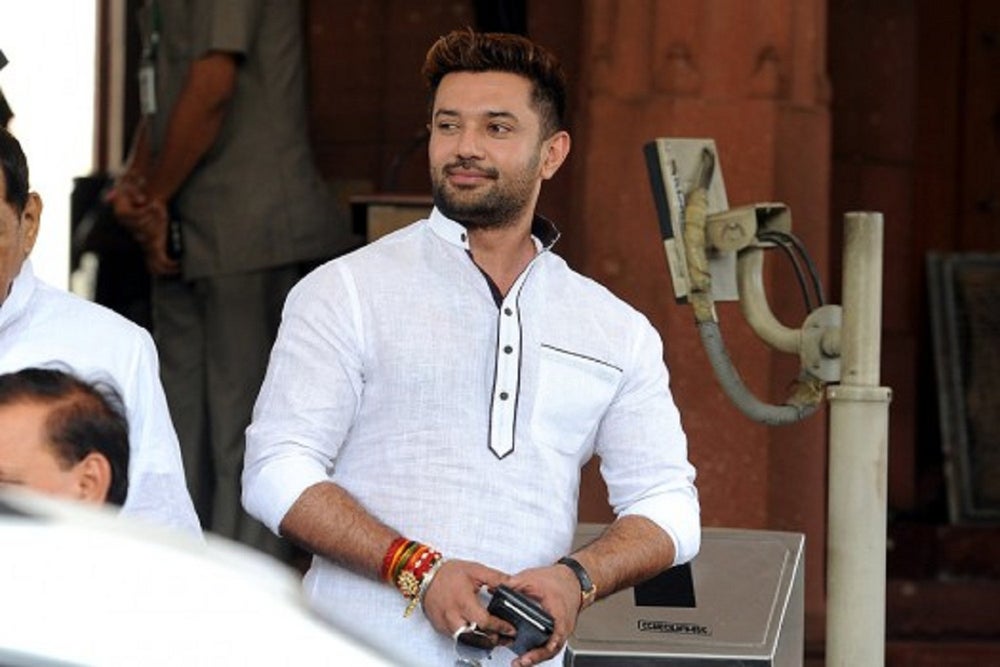
In a nation where over 65% of the population is under the age of 35, young politicians represent a vital link to India’s future. However, their journey in the political landscape is far from easy. Despite their energy, innovative ideas, and relatability to younger demographics, young politicians face numerous challenges that hinder their growth and
In a nation where over 65% of the population is under the age of 35, young politicians represent a vital link to India’s future. However, their journey in the political landscape is far from easy. Despite their energy, innovative ideas, and relatability to younger demographics, young politicians face numerous challenges that hinder their growth and impact. From navigating entrenched systems to overcoming societal skepticism, these obstacles shape the trajectory of their political careers.
1. Navigating Traditional Power Structures
India’s political system is often characterized by entrenched hierarchies and dynastic influence. Young politicians without family legacies or strong connections face significant barriers in gaining visibility and access to decision-making roles. Established senior leaders may resist change, viewing young leaders as threats to their status quo.
Case in Point:
Many young leaders from non-dynastic backgrounds struggle to gain party tickets for elections or leadership roles within political organizations, limiting their ability to rise in the ranks.
2. Limited Access to Resources
Politics in India requires substantial financial backing for campaigning, networking, and constituency management. For many young politicians, especially those from economically modest backgrounds, securing resources remains a daunting challenge. This financial inequality often discourages talented individuals from entering politics.
The Reality of Campaigning:
The high cost of running election campaigns—especially in rural areas with vast constituencies—places young leaders at a disadvantage compared to their seasoned counterparts with established financial support systems.
3. Balancing Idealism and Pragmatism
Young politicians often bring idealistic visions for change, which can clash with the practical realities of governance and party politics. Striking a balance between their aspirations and the compromises required in political negotiations is a skill that takes time and experience to develop.
4. Overcoming Societal Skepticism
In many parts of India, young leaders face skepticism about their capabilities. Ageist perceptions often lead to doubts about their experience and ability to handle complex governance challenges, making it harder for them to gain public trust.
The Generational Gap:
In traditional communities, older voters often prefer seasoned politicians who align with their perceptions of authority and reliability, sidelining younger candidates despite their potential.
5. Managing Social Media Dynamics
While social media provides young politicians with a platform to amplify their voices, it is also a double-edged sword. Constant scrutiny, trolling, and the pressure to maintain an online presence can detract from their focus on governance and policymaking.
Example:
Prominent young politicians like Tejasvi Surya and Raghav Chadha have faced both praise and criticism online, showcasing how digital platforms can simultaneously elevate and complicate political careers.
6. Lack of Mentorship and Guidance
Young leaders often lack mentorship from seasoned politicians who can guide them through the complexities of governance and political strategy. Without this support, navigating the challenges of policymaking, constituency management, and political alliances becomes more difficult.
Need for Support Systems:
Political mentorship programs within parties or institutions could help bridge this gap, providing young leaders with the tools to succeed.
7. Balancing Representation and Governance
Young politicians are often expected to represent the aspirations of their generation while simultaneously addressing the diverse needs of their constituencies. Balancing these expectations can be overwhelming, especially for those new to the political arena.
8. Gender-Specific Challenges
For young women in politics, the challenges are often amplified by societal biases, safety concerns, and gendered stereotypes. Female politicians frequently face additional scrutiny and barriers, limiting their ability to participate fully and equally in political processes.
Case Study:
Despite her achievements, leaders like Dimple Yadav have highlighted the struggles of balancing family expectations, public perception, and political responsibilities.
Conclusion
Young politicians in modern India face a unique set of challenges that reflect the complexities of the country’s political and social systems. While their enthusiasm, innovation, and relatability to younger demographics make them valuable contributors to governance, overcoming these obstacles requires structural reforms, mentorship, and societal support. By addressing these challenges, India can empower its young leaders to bring meaningful change, ensuring a brighter and more inclusive political future.
















Leave a Comment
Your email address will not be published. Required fields are marked with *