





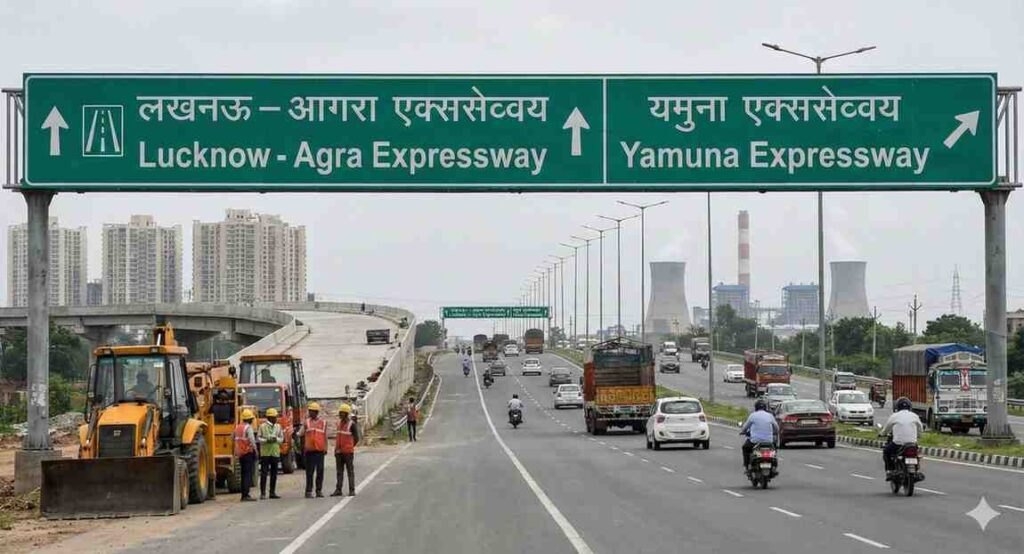
Building Tomorrow or Overspending Today?Uttar Pradesh, India’s largest state by population, has undertaken ambitious infrastructure projects in recent years, aiming to transform itself into an economic powerhouse. From expressways slicing through the state to the rise of data centers and metro networks, these developments promise to catalyze growth and improve connectivity. However, questions linger about
Building Tomorrow or Overspending Today?
Uttar Pradesh, India’s largest state by population, has undertaken ambitious infrastructure projects in recent years, aiming to transform itself into an economic powerhouse. From expressways slicing through the state to the rise of data centers and metro networks, these developments promise to catalyze growth and improve connectivity. However, questions linger about whether these massive expenditures are prudent investments or wasteful ventures burdening taxpayers.
The Infrastructure Boom
Key Investments (2023-24):
- Expressways: Over 1,800 km of new expressways, including the Purvanchal Expressway, Bundelkhand Expressway, and the under-construction Ganga Expressway, costing ₹1.5 lakh crore cumulatively.
- Airports: Expansion of existing airports in Lucknow and Varanasi, along with new projects like Jewar International Airport in Noida, one of the largest in Asia.
- Urban Transit: Metro projects in Lucknow, Kanpur, Agra, and upcoming metro rail in Gorakhpur and Varanasi.
- Data Centers: Investments worth ₹40,000 crore in data centers, with Noida emerging as a tech and IT hub.
- Industrial Parks: Creation of industrial corridors in areas like Kanpur and Gorakhpur, aimed at boosting manufacturing and exports.
The Case for Necessary Investment
1. Economic Growth Catalyst
Infrastructure development serves as the backbone of economic progress. The new expressways and industrial corridors are expected to attract investments, reduce logistics costs, and connect underdeveloped regions to growth hubs, fostering balanced development.
2. Employment Generation
Large-scale projects have already created over 5 lakh jobs directly and indirectly in construction, transportation, and allied sectors. Upcoming projects promise to generate even more opportunities.
3. Improved Connectivity
Enhanced road, rail, and air connectivity are transforming Uttar Pradesh into a key player in regional and national trade, improving accessibility to markets and reducing travel times across the state.
4. Boost to Tourism and Hospitality
Infrastructure improvements are making tourism hotspots like Varanasi, Agra, and Ayodhya more accessible, increasing footfall and boosting the local economy. The new airports and expressways have made travel seamless for millions of domestic and international visitors.
5. Long-Term Vision
Projects like the Jewar International Airport and Noida Data Center Hub are designed to future-proof Uttar Pradesh’s economy, positioning the state as a destination for global investors in logistics, IT, and renewable energy.
The Argument for Wasteful Spending
1. Ballooning Debt
Uttar Pradesh’s public debt crossed ₹7 lakh crore in 2023, raising concerns about the state’s ability to sustain such high levels of expenditure. Critics argue that this aggressive spending could burden future generations.
2. Underutilization of Assets
Despite the completion of projects like the Agra-Lucknow Expressway, reports suggest many assets remain underutilized due to low traffic volumes or lack of complementary infrastructure, such as logistics hubs.
3. Neglect of Social Infrastructure
While physical infrastructure has received substantial funding, critics point to inadequate spending on health, education, and rural welfare programs, sectors that directly impact the quality of life for millions.
4. Environmental Concerns
Massive land acquisitions and deforestation for projects like the Ganga Expressway have sparked protests, with environmentalists warning of irreversible damage to ecosystems and loss of agricultural land.
5. Inefficiencies and Delays
Delays in project execution and cost overruns, often attributed to bureaucratic inefficiencies and land acquisition issues, have inflated project costs, raising questions about the efficacy of resource allocation.
Recommendations for Balanced Growth
1. Prioritize Impact Assessment
Conduct comprehensive socio-economic and environmental impact assessments before initiating large-scale projects to ensure their long-term viability.
2. Strengthen Public-Private Partnerships (PPP)
Leverage private sector expertise and investment through PPP models to reduce the financial burden on the state while maintaining accountability and quality.
3. Focus on Maintenance
Invest in the maintenance and optimization of existing infrastructure to maximize returns and avoid the pitfalls of underutilization.
4. Boost Social Infrastructure Spending
Balance physical infrastructure projects with increased investment in education, healthcare, and skill development to create a holistic growth model.
5. Enhance Transparency and Accountability
Implement robust monitoring mechanisms to ensure projects are completed on time and within budget. Regular audits can identify inefficiencies and ensure public funds are utilized effectively.
Conclusion: The Balancing Act
Uttar Pradesh’s infrastructure spending reflects an ambitious vision for economic transformation. Projects like expressways, airports, and industrial corridors have the potential to drive growth, create jobs, and position the state as a global investment hub. However, the challenges of debt sustainability, underutilization, and socio-environmental trade-offs cannot be ignored.
The state’s future hinges on its ability to balance bold investments with prudent financial management and equitable development. The question remains: Are these infrastructure projects paving the way for a brighter future, or are they laying the groundwork for fiscal and ecological strain? The answer lies in how Uttar Pradesh executes its plans and manages its priorities in the years ahead.





















Leave a Comment
Your email address will not be published. Required fields are marked with *