





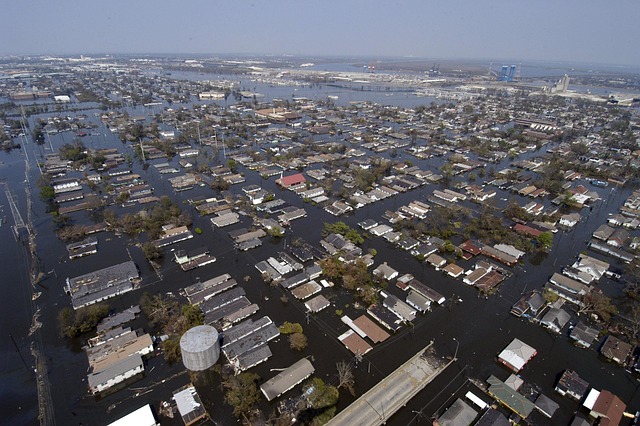
Strengthening disaster preparedness with innovation, community engagement, and policy-driven resilience. Introduction Uttar Pradesh, the most populous state in India, faces a wide array of natural and human-induced disasters, including floods, droughts, earthquakes, and industrial accidents. Given these challenges, the state is implementing robust disaster management strategies to mitigate risks, enhance preparedness, and safeguard its citizens.
Strengthening disaster preparedness with innovation, community engagement, and policy-driven resilience.
Introduction
Uttar Pradesh, the most populous state in India, faces a wide array of natural and human-induced disasters, including floods, droughts, earthquakes, and industrial accidents. Given these challenges, the state is implementing robust disaster management strategies to mitigate risks, enhance preparedness, and safeguard its citizens. The integration of advanced technology, community involvement, and capacity building forms the cornerstone of Uttar Pradesh’s vision for a resilient future.
Key Disaster Preparedness Strategies
1. Institutional Strengthening
- Uttar Pradesh State Disaster Management Authority (UPSDMA):
UPSDMA serves as the nodal agency for disaster management in the state, focusing on policy formulation, training, and coordination among various stakeholders. The authority ensures timely disaster response while enhancing the state’s readiness to tackle emergencies.
(Source: UPSDMA Official Website) - State Disaster Response Force (SDRF):
The SDRF, operational since 2016, is a specialized force trained in disaster response, search and rescue, and medical assistance. Its role in providing immediate relief during emergencies has been pivotal.
(Source: SDRF Uttar Pradesh)
2. Leveraging Technology for Resilience
- Flood Management Information System (FMIS):
Uttar Pradesh has established the FMIS to track riverine activities, predict flood occurrences, and disseminate early warnings. Using satellite imagery and real-time data, FMIS supports proactive flood management in vulnerable districts.
(Source: FMIS Uttar Pradesh) - Geospatial Data Integration:
GIS mapping is employed to identify hazard-prone areas, aiding urban planners and local governments in designing resilient infrastructure.
3. Enhancing Community Preparedness
- Community-Based Disaster Management Programs:
UPSDMA conducts workshops to train communities in disaster risk reduction, focusing on grassroots participation. These initiatives empower local populations to act as first responders during emergencies. - School Safety Programs:
Regular disaster preparedness drills are conducted in schools to educate children about response protocols during earthquakes, fires, and floods.
(Source: National Disaster Management Authority (NDMA))
4. Policy and Framework Alignment
- State Disaster Management Plan (SDMP):
Uttar Pradesh’s SDMP aligns with the Sendai Framework for Disaster Risk Reduction (2015–2030), focusing on minimizing disaster losses by addressing vulnerabilities and building capacities.
(Source: Sendai Framework Report) - District Disaster Management Plans (DDMPs):
Each district has formulated its own DDMP to address local vulnerabilities and ensure efficient resource allocation during emergencies.
5. Addressing Climate-Induced Risks
- Drought Mitigation Strategies:
Uttar Pradesh is developing long-term solutions, including efficient irrigation systems and sustainable water management practices, to counter the frequent droughts affecting its arid regions. - Urban Flood Resilience Projects:
Smart drainage systems and flood-resistant infrastructure are being prioritized in urban centers like Lucknow and Kanpur to reduce the impact of urban flooding.
Achievements and Ongoing Projects
- Enhanced Flood Resilience:
Early warning systems have reduced flood-related fatalities by 20% over the past five years.
(Source: Uttar Pradesh Disaster Management Annual Report 2023) - Increased Community Participation:
More than 3 lakh individuals across rural and urban areas have undergone disaster preparedness training under various government programs. - Investment in Infrastructure:
State-funded disaster relief training centers are being set up to enhance the capacity of responders and volunteers.
Future Roadmap
- Technological Integration:
Expanding the use of AI and machine learning for predictive analytics in disaster management. - Sustainable Infrastructure Development:
Investing in climate-resilient housing and urban planning to minimize the impact of disasters. - Strengthening International Collaboration:
Partnering with global institutions like the United Nations Development Programme (UNDP) for knowledge sharing and capacity building.
Conclusion
Uttar Pradesh’s commitment to disaster resilience is evident through its multi-dimensional preparedness strategies. By aligning policies with global frameworks, harnessing technology, and empowering communities, the state is charting a path toward a safer, more resilient future. With sustained efforts, Uttar Pradesh is poised to become a model for disaster management in India and beyond.
Sources:
- Uttar Pradesh State Disaster Management Authority (UPSDMA)
- State Disaster Response Force (SDRF) Uttar Pradesh
- Flood Management Information System, UP
- Sendai Framework for Disaster Risk Reduction
- NDMA Guidelines and Reports










Leave a Comment
Your email address will not be published. Required fields are marked with *