





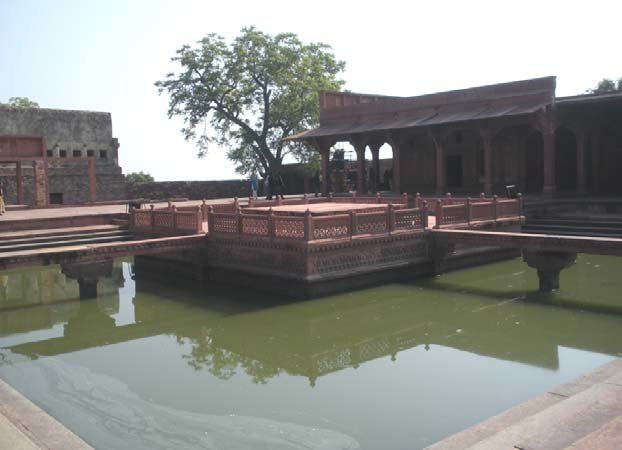
Fatehpur Sikri, 2025 – A UNESCO World Heritage Site and a marvel of Mughal architecture, Fatehpur Sikri stands as a testament to India’s rich history. However, the city now faces an emerging crisis: the impacts of climate change. Rising temperatures, erratic rainfall, and water scarcity threaten not only the daily lives of residents but also the
Fatehpur Sikri, 2025 – A UNESCO World Heritage Site and a marvel of Mughal architecture, Fatehpur Sikri stands as a testament to India’s rich history. However, the city now faces an emerging crisis: the impacts of climate change. Rising temperatures, erratic rainfall, and water scarcity threaten not only the daily lives of residents but also the preservation of its historical monuments. The question is, are we prepared to address these challenges effectively?
The Environmental Impact on Heritage
According to the Archaeological Survey of India (ASI), Fatehpur Sikri’s sandstone structures are highly susceptible to damage from weathering, exacerbated by climate change. Frequent temperature fluctuations cause expansion and contraction of the stones, leading to cracks and deterioration. Moreover, acid rain, fueled by air pollution, accelerates surface erosion.
A recent study by the Indian Meteorological Department (IMD) shows that Fatehpur Sikri has experienced a 1.5°C rise in average annual temperatures over the past three decades, with rainfall patterns becoming increasingly erratic. This variability not only impacts agriculture and water availability but also complicates conservation efforts.
Water Scarcity: A Pressing Concern
The city’s water resources are under significant stress. Data from the Central Ground Water Board (CGWB) reveals that groundwater levels in Fatehpur Sikri have dropped by 25% in the last decade due to over-extraction and insufficient recharge. The National Green Tribunal (NGT) has flagged this issue as critical, noting that the depletion of water sources threatens both local livelihoods and the maintenance of Mughal-era gardens that require regular irrigation.
Impact on Local Communities
The effects of climate change extend beyond heritage conservation. According to the Uttar Pradesh State Planning Commission, over 60% of Fatehpur Sikri’s population relies on agriculture, which is increasingly affected by irregular monsoons and declining water availability. A survey by the District Agriculture Office indicates that crop yields in the region have declined by 15% over the past five years, pushing many farmers toward economic uncertainty.
Tourism, another pillar of the local economy, is also vulnerable. The Uttar Pradesh Tourism Department reports that extreme heat during summer months has led to a 12% decline in footfall compared to pre-pandemic levels. Reduced tourist activity affects not only revenue but also employment in related sectors such as transportation, hospitality, and local handicrafts.
Efforts and Challenges
Several initiatives aim to mitigate the impacts of climate change in Fatehpur Sikri:
- Sustainable Tourism Practices: The Ministry of Tourism has introduced eco-friendly measures, including waste management systems and promotion of off-season tourism to reduce pressure during peak months.
- Water Conservation Projects: Local authorities, with support from the Jal Shakti Abhiyan, have initiated rainwater harvesting and groundwater recharge programs. However, these efforts are often hindered by lack of community participation and inadequate funding.
- Heritage Preservation: The ASI has begun using advanced technologies such as 3D mapping to monitor structural vulnerabilities and guide restoration efforts. Despite these steps, challenges remain in scaling these initiatives to cover all affected monuments.
Perspectives from Residents and Experts
Local residents are acutely aware of the challenges they face. “Our wells are drying up, and farming is no longer reliable,” says Devendra Singh, a farmer. Tourism worker Arshad Khan adds, “Fewer tourists mean less income for everyone here. The heat and lack of water are making things worse.”
Experts emphasize the need for integrated approaches. “Conservation cannot happen in isolation. We must address both environmental and socioeconomic factors to ensure Fatehpur Sikri’s sustainability,” says Dr. Neha Sharma, an environmental scientist.
Recommendations for the Future
To effectively tackle the climate change challenges in Fatehpur Sikri, experts propose the following:
- Comprehensive Water Management: Strengthen rainwater harvesting systems and introduce stricter regulations on groundwater usage.
- Climate-Resilient Agriculture: Provide farmers with access to drought-resistant crops and training in sustainable farming practices.
- Green Infrastructure: Enhance tree plantation drives and urban green spaces to mitigate heat and improve air quality.
- Public Awareness Campaigns: Educate residents and tourists about sustainable practices to ensure collective action against climate change.
Conclusion
Fatehpur Sikri stands at the intersection of history and modernity, facing challenges that threaten both its cultural heritage and its community’s well-being. Addressing the impacts of climate change requires coordinated efforts across conservation, resource management, and community engagement. The question remains: Can Fatehpur Sikri rise to meet these challenges and preserve its legacy for future generations?










Leave a Comment
Your email address will not be published. Required fields are marked with *