





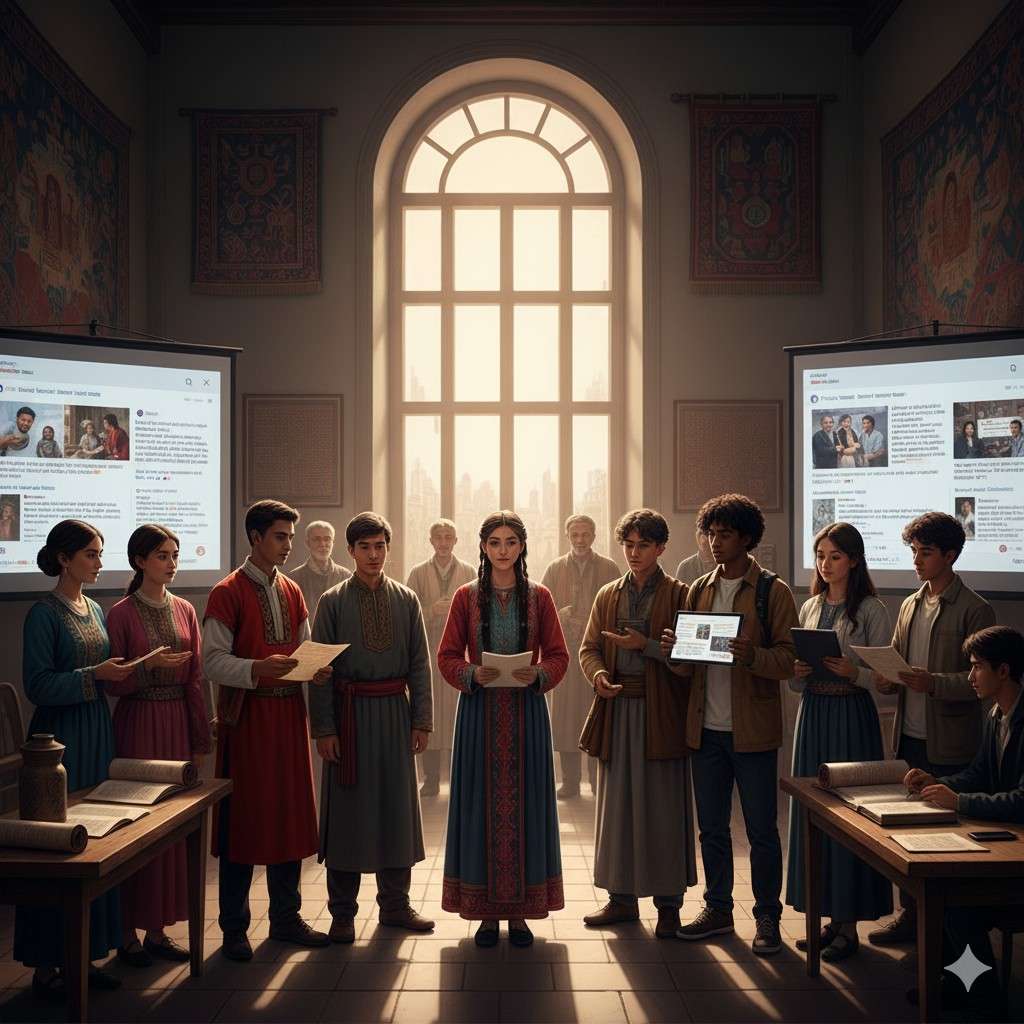
Understanding the interplay between tradition, values, and youth political behavior in India. Introduction Cultural norms are deeply embedded in India’s social fabric, shaping the values, beliefs, and decisions of its people. For young Indians, these norms often play a significant role in influencing their political choices. Whether it’s caste dynamics, religious affiliations, or regional identities,
Understanding the interplay between tradition, values, and youth political behavior in India.
Introduction
Cultural norms are deeply embedded in India’s social fabric, shaping the values, beliefs, and decisions of its people. For young Indians, these norms often play a significant role in influencing their political choices. Whether it’s caste dynamics, religious affiliations, or regional identities, cultural factors intersect with political ideologies to shape the way youth engage with governance. This article examines how cultural norms influence young people’s political choices and explores the challenges and opportunities this presents in India’s democratic landscape.
The Influence of Cultural Norms on Political Behavior
1. Caste and Community Dynamics
The caste system, despite constitutional efforts to dismantle it, continues to influence political decisions, particularly in rural and semi-urban areas.
- Impact on Youth:
- Many young voters align with political parties that represent their caste or community, often prioritizing group identity over broader policy considerations.
- Example: Caste-based political alliances in Uttar Pradesh have historically swayed election outcomes, with youth voters playing a critical role.
(Source: Election Commission of India)
2. Religious Affiliation
Religious values and beliefs also significantly influence youth political choices, often determining their stance on key social and economic issues.
- Example:
- In states like Kerala and Gujarat, religious identity often correlates with support for particular political ideologies or parties.
(Source: Ministry of Minority Affairs)
How Cultural Norms Shape Youth Political Priorities
1. Focus on Local Issues
Cultural norms often drive young voters to prioritize local issues, such as water management, education access, and employment opportunities, over national or global concerns.
- Example:
- Youth in drought-prone regions of Maharashtra are more likely to support candidates who advocate for better irrigation and water conservation policies.
2. Generational Values
Traditional values passed down from families often influence political leanings, with many young people adopting the political preferences of their elders.
- Example:
- In rural areas, family patriarchs often guide household voting behavior, influencing the political choices of younger members.
3. Regional Identities
Regional pride and cultural heritage shape youth political preferences, often aligning them with parties that prioritize regional autonomy and development.
- Example:
- In Tamil Nadu, young voters frequently support regional parties advocating for Dravidian identity and self-governance.
(Source: Tamil Nadu State Election Commission)
Challenges of Cultural Influence on Youth Politics
1. Limited Exposure to Alternative Ideas
Cultural norms can create echo chambers, preventing young people from exploring diverse political ideologies or engaging with opposing viewpoints.
2. Reinforcement of Identity Politics
The emphasis on caste, religion, or region can overshadow policy-based decision-making, perpetuating identity politics.
3. Risk of Political Exploitation
Political parties often exploit cultural norms to secure votes, reinforcing divisions and hindering inclusive governance.
Opportunities for Bridging Cultural and Political Gaps
1. Promoting Civic Education
Education systems can introduce programs that encourage critical thinking, helping youth make informed political choices beyond cultural influences.
- Example:
- Initiatives like the National Youth Parliament Festival encourage young people to engage in policy discussions and governance issues.
(Source: Ministry of Youth Affairs)
2. Encouraging Dialogue Across Communities
Youth-focused programs that foster interfaith and intercultural dialogue can reduce biases and promote inclusivity in political choices.
3. Leveraging Technology for Awareness
Social media and digital platforms can expose young voters to diverse political ideas, challenging cultural stereotypes and broadening perspectives.
- Example:
- Campaigns like #YouthForDemocracy have used digital tools to encourage critical engagement with political issues.
The Dual Role of Cultural Norms
While cultural norms can reinforce traditional biases, they also provide a sense of identity and community, motivating young people to engage politically. Balancing these influences with critical awareness and exposure to broader ideas is essential for fostering a more inclusive democracy.
Opinionated Yet Balanced Perspective
Cultural norms are a double-edged sword in shaping youth political choices. While they anchor young voters to their heritage and community values, they can also limit their exposure to diverse perspectives. To unlock the full potential of youth in politics, India must promote civic education, facilitate cross-cultural dialogue, and use technology to encourage critical engagement with political issues.
Conclusion
Cultural norms are a powerful force in shaping the political behavior of young Indians. By recognizing their influence and addressing their limitations, India can harness the energy and aspirations of its youth to build a more inclusive and dynamic democracy. Bridging the gap between tradition and progress will empower young voters to make choices that reflect both their cultural roots and their vision for the future.










Leave a Comment
Your email address will not be published. Required fields are marked with *