





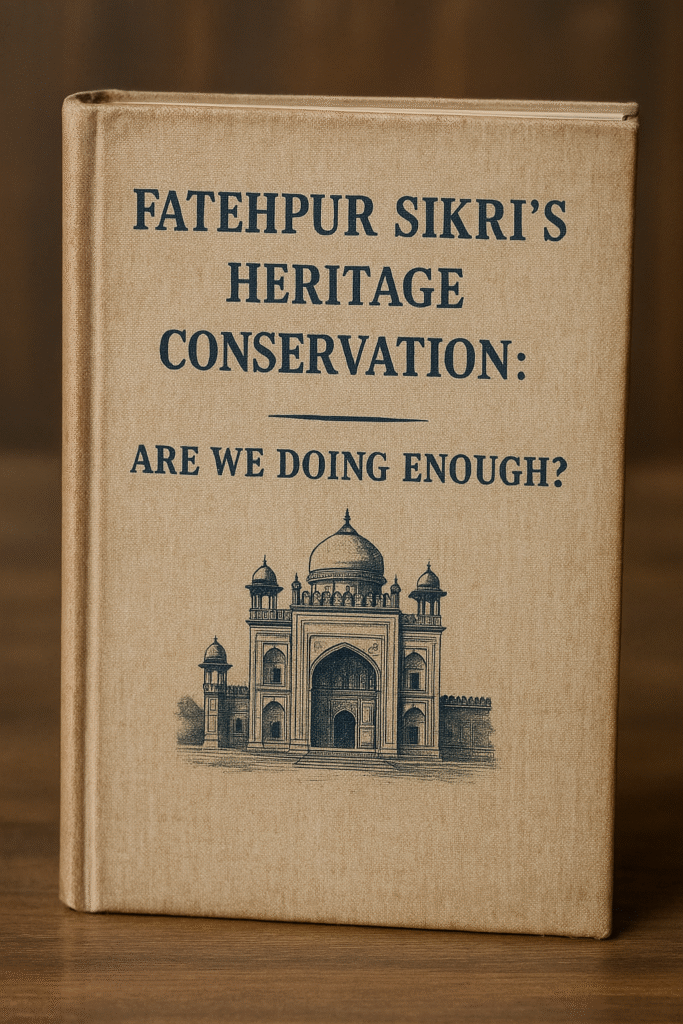
Fatehpur Sikri, 2025 – A UNESCO World Heritage Site and an iconic symbol of Mughal architecture, Fatehpur Sikri attracts millions of visitors annually. Built by Emperor Akbar in the late 16th century, this historic city embodies cultural and architectural brilliance. However, despite its global significance, concerns are mounting about whether efforts to conserve this heritage site
Fatehpur Sikri, 2025 – A UNESCO World Heritage Site and an iconic symbol of Mughal architecture, Fatehpur Sikri attracts millions of visitors annually. Built by Emperor Akbar in the late 16th century, this historic city embodies cultural and architectural brilliance. However, despite its global significance, concerns are mounting about whether efforts to conserve this heritage site are adequate to preserve it for future generations.
Current Conservation Efforts
According to the Archaeological Survey of India (ASI), Fatehpur Sikri’s monuments—including the Buland Darwaza, Panch Mahal, and Jama Masjid—undergo routine maintenance to mitigate the effects of weathering and human activity. The ASI allocates approximately ₹20 crore annually for conservation and restoration work at the site.
Recent initiatives include:
- Structural Repairs: Restoration of eroded sandstone structures and reinforcements to prevent further damage from weathering and vibrations caused by heavy tourist footfall.
- Visitor Management: The introduction of digital ticketing systems and limited entry hours to reduce overcrowding, as recommended by the Ministry of Tourism.
- Waste Management: Collaboration with the Uttar Pradesh Tourism Department to improve cleanliness and waste disposal around the site.
Persistent Challenges
Despite these efforts, several issues continue to hinder effective conservation:
- Environmental Damage: A report by the Central Pollution Control Board (CPCB) highlights the detrimental impact of air pollution on Fatehpur Sikri’s sandstone structures, leading to discoloration and erosion. The rising use of private vehicles near the site exacerbates this issue.
- Overcrowding: The Ministry of Tourism reports that Fatehpur Sikri received over 3.5 million visitors in 2024. While tourism boosts the local economy, heavy footfall strains the site’s structural integrity and limits conservation efforts.
- Water Scarcity: The surrounding region faces acute water shortages, complicating the maintenance of Mughal-era gardens and water systems that are integral to the site’s heritage.
- Funding Gaps: The Comptroller and Auditor General (CAG) recently flagged that allocated funds for conservation are often delayed or underutilized, leaving critical restoration work incomplete.
Voices from Experts and Locals
Conservation experts emphasize the need for a more holistic approach. “Routine maintenance is not enough to address long-term threats like pollution and climate change,” says Dr. Neha Sharma, a historian and conservationist. “We need proactive measures to ensure the site’s sustainability.”
Local residents and workers, who depend on tourism for their livelihood, also highlight the need for better management. “The site brings visitors, but the infrastructure in surrounding areas is neglected. This affects both tourists and locals,” says Ramesh Gupta, a shopkeeper near the site.
Recommendations for Effective Conservation
To safeguard Fatehpur Sikri’s heritage, experts suggest the following measures:
- Pollution Control: Establish low-emission zones around the site and introduce electric shuttle services to reduce vehicular impact.
- Sustainable Tourism Practices: Limit daily visitor numbers and promote off-season tourism to reduce pressure on the site.
- Community Involvement: Engage local communities in conservation efforts through training and employment in heritage-related activities.
- Advanced Monitoring: Use technologies like 3D mapping and AI-driven structural analysis to monitor and predict areas at risk of damage.
- Water Management Solutions: Invest in rainwater harvesting and restoration of historical water systems to address the region’s water scarcity.
Conclusion
Fatehpur Sikri stands as a timeless reminder of India’s rich cultural heritage, but its preservation requires concerted efforts from all stakeholders. While current conservation initiatives are a step in the right direction, they fall short of addressing the full scope of challenges. The question remains: Are we doing enough to protect this historical treasure, or will Fatehpur Sikri become another cautionary tale of neglected heritage?





















Leave a Comment
Your email address will not be published. Required fields are marked with *