





Promises of Sustainability Amidst DevelopmentAs India’s most populous state, Uttar Pradesh faces an uphill battle in balancing rapid industrialization and urbanization with environmental sustainability. The government has launched numerous green initiatives in recent years, pledging to tackle pollution, conserve biodiversity, and adopt renewable energy. However, the critical question persists: Are these initiatives driving meaningful change,
Promises of Sustainability Amidst Development
As India’s most populous state, Uttar Pradesh faces an uphill battle in balancing rapid industrialization and urbanization with environmental sustainability. The government has launched numerous green initiatives in recent years, pledging to tackle pollution, conserve biodiversity, and adopt renewable energy. However, the critical question persists: Are these initiatives driving meaningful change, or do they merely amount to lip service in the face of mounting environmental challenges?
The State of Uttar Pradesh’s Environment
Key Environmental Indicators (2023-24)*
- Air Quality: Ghaziabad, Noida, and Kanpur consistently rank among India’s most polluted cities, with average AQI levels exceeding 200.
- Deforestation: The state lost 7% of its forest cover between 2000 and 2023, though afforestation efforts aim to reverse this trend.
- Water Pollution: Major rivers like the Ganga and Yamuna remain critically polluted despite ongoing cleanup drives under the Namami Gange project.
- Renewable Energy: Uttar Pradesh’s renewable energy capacity reached 4,000 MW in 2023, with solar power contributing 2,200 MW.
While these figures highlight ongoing challenges, they also underscore the potential for transformative change through targeted green policies.
Major Green Initiatives
1. Mission Shakti Van
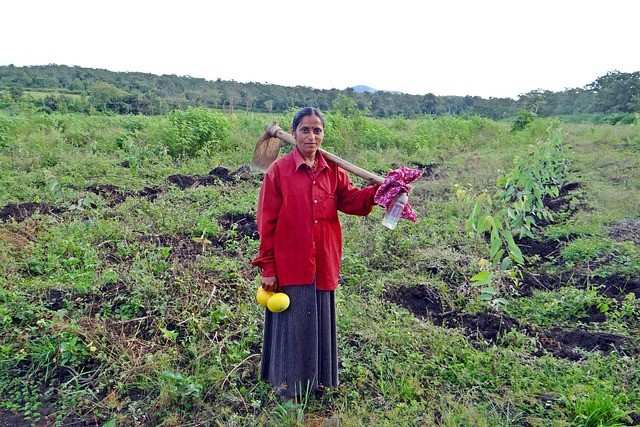
Launched in 2021, this initiative focuses on afforestation by planting trees dedicated to women’s empowerment. By 2024, the program had planted over 10 million saplings across the state.
2. Namami Gange Project
This flagship initiative aims to rejuvenate the Ganga River by tackling pollution and enhancing water quality. Uttar Pradesh, with the longest stretch of the river, is a focal point for this mission. Sewage treatment plants (STPs) have been installed in cities like Kanpur, Prayagraj, and Varanasi to curb industrial and domestic waste.
3. Solar Energy Push
The state has introduced subsidies to encourage the adoption of rooftop solar systems. Projects like the Kanpur Solar Park aim to enhance renewable energy capacity, targeting 10,700 MW by 2030.
4. Clean Air Action Plans
Comprehensive air quality management plans have been implemented in high-pollution cities like Lucknow and Ghaziabad. Measures include promoting e-vehicles, banning open burning, and deploying air-purifying towers.
5. Amrit Sarovar Mission
Under this scheme, Uttar Pradesh is restoring over 20,000 traditional water bodies to enhance groundwater recharge, promote biodiversity, and improve rural water supply.
Achievements So Far
Improved Green Cover
Afforestation campaigns have added over 12,000 hectares of green cover between 2019 and 2023, contributing to ecological restoration in degraded areas.
Renewable Energy Expansion
The state’s focus on solar power has attracted investments worth ₹15,000 crore, making it a leader in rooftop solar installations among northern states.
Wastewater Management
The operationalization of multiple STPs under the Namami Gange project has reduced untreated wastewater discharge into the Ganga by 30%, particularly in urban centers like Kanpur and Varanasi.
Public Participation
Community-driven efforts, such as river clean-up campaigns and village-level tree plantations, have fostered awareness and grassroots involvement in sustainability efforts.
Challenges Hindering Progress
1. Implementation Gaps
Despite ambitious policies, execution often lags due to bureaucratic inefficiency, corruption, and lack of accountability. For instance, several afforestation projects have faced allegations of inflated numbers and poor sapling survival rates.
2. Urban Pollution
Air quality in cities remains a major concern, with vehicular emissions, industrial waste, and construction dust continuing unchecked. Initiatives like promoting electric vehicles (EVs) are yet to reach a scale that significantly impacts pollution levels.
3. Water Pollution
While STPs have improved wastewater management, untreated sewage and industrial effluents still find their way into rivers. The Namami Gange project, though impactful, has been criticized for its slow pace and lack of comprehensive monitoring.
4. Deforestation and Encroachment
Illegal logging and encroachment on forest land undermine afforestation efforts. Without stringent penalties and enforcement, such practices continue to threaten biodiversity.
5. Public Awareness
Sustainability initiatives often fail to engage rural populations effectively, where environmental degradation is felt most acutely. A lack of education about the importance of green practices further limits their impact.
Recommendations for True Sustainability
- Strengthen Monitoring Mechanisms
Enhance accountability by regularly auditing environmental projects and publishing transparent progress reports accessible to the public. - Scale Up Renewable Energy
Accelerate solar and wind energy projects in both urban and rural areas while incentivizing adoption through subsidies and public-private partnerships. - Empower Local Communities
Foster grassroots participation by integrating environmental education into school curriculums and empowering local communities to manage water bodies and forests. - Tackle Urban Pollution
Expand public transport systems, enforce stricter vehicular emission norms, and incentivize the adoption of e-vehicles through subsidies and infrastructure development. - Boost Private Sector Collaboration
Encourage corporate involvement in sustainability initiatives through CSR activities, particularly in renewable energy and pollution control.
Conclusion
Uttar Pradesh’s green initiatives represent a promising start in addressing the state’s environmental challenges. While notable progress has been made in areas like renewable energy and afforestation, significant gaps in implementation and enforcement persist. To ensure these efforts go beyond lip service, the state must prioritize transparent governance, robust public participation, and a long-term commitment to sustainability.
As the state strives to balance development with ecological preservation, the question remains: Will Uttar Pradesh rise to the challenge of genuine environmental stewardship, or will its green ambitions remain overshadowed by systemic hurdles? The answer lies in the steps taken today to secure a sustainable future for generations to come.




















Leave a Comment
Your email address will not be published. Required fields are marked with *