





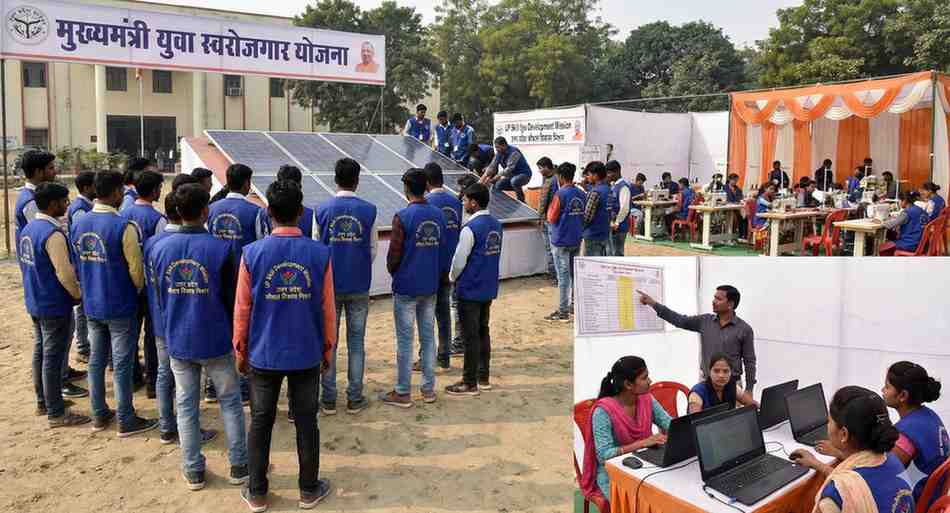
Bridging the Gap or Falling Short?Uttar Pradesh, with its massive workforce of over 150 million, holds the potential to be a driving force in India’s economic growth. Recognizing this, the state government has invested heavily in skill development programs aimed at equipping its youth with industry-relevant skills. However, questions linger about the effectiveness of these
Bridging the Gap or Falling Short?
Uttar Pradesh, with its massive workforce of over 150 million, holds the potential to be a driving force in India’s economic growth. Recognizing this, the state government has invested heavily in skill development programs aimed at equipping its youth with industry-relevant skills. However, questions linger about the effectiveness of these initiatives. Are they genuinely empowering the workforce, or do gaps remain between training and employability?
The Scope of Skill Development in Uttar Pradesh
Key Statistics (2023-24):
- UP Skill Development Mission (UPSDM): Trained over 20 lakh youth since its inception in 2013.
- Pradhan Mantri Kaushal Vikas Yojana (PMKVY): Enrolled more than 8.5 lakh candidates in the state in the last five years.
- Employability Rate: Approximately 40% of trainees secure employment post-training, highlighting a gap in job-market alignment.
- Focus Sectors: IT/ITeS, construction, healthcare, agriculture, and retail are prioritized under the skill development framework.
Strengths of Skill Development Programs
1. Wide Coverage
With over 4,000 training centers spread across the state, including rural areas, UPSDM and PMKVY have made skill development accessible to a significant portion of the population.
2. Industry Collaboration
Partnerships with companies like TCS, Maruti Suzuki, and HCL ensure that training programs are aligned with industry standards, improving the employability of graduates.
3. Specialized Programs for Women
Initiatives like the Mahila Samarthya Yojana focus on empowering women through vocational training in tailoring, healthcare, and IT, contributing to a gradual increase in female workforce participation.
4. Integration with Education
The Skill India Campaign has introduced skill-based courses in schools and colleges, preparing students for vocational careers alongside academic education.
5. Focus on Digital Skills
Programs like the Digi Shakti Portal aim to impart digital literacy and IT skills, with over 1 lakh youth trained in advanced technologies like AI, machine learning, and cybersecurity in 2023 alone.
Challenges Hindering Effectiveness
1. Mismatch Between Skills and Market Demand
Many training programs fail to address the actual needs of industries, leaving graduates underprepared for high-demand sectors. For example, while healthcare and logistics are booming, the number of trainees in these fields remains disproportionately low.
2. Low Placement Rates
Only 4 in 10 trainees secure jobs post-certification, with the majority either underemployed or returning to unskilled labor due to a lack of job opportunities in their vicinity.
3. Quality of Training
Inconsistent standards across training centers result in variable outcomes. Many trainees report insufficient practical exposure and outdated course material.
4. Lack of Soft Skills Training
While technical skills are emphasized, soft skills like communication, teamwork, and problem-solving are often neglected, impacting overall employability.
5. Gender and Regional Disparities
Women and youth from rural areas still face barriers to accessing high-quality training, with urban centers receiving the bulk of resources and attention.
Recommendations for Improvement
1. Strengthening Industry Collaboration
- Expand partnerships with industries to design dynamic, demand-driven courses.
- Introduce apprenticeship models where trainees gain real-world experience alongside classroom learning.
2. Improving Placement Services
- Establish robust placement cells to connect trainees with employers.
- Partner with job portals and recruitment agencies to enhance visibility and opportunities for skilled workers.
3. Ensuring Uniform Training Standards
- Regular audits of training centers to maintain quality and ensure adherence to standardized curricula.
- Incentivize training providers to adopt innovative teaching methods and modern equipment.
4. Enhancing Soft Skills Training
- Integrate modules on communication, problem-solving, and teamwork into existing programs to create well-rounded professionals.
5. Bridging Regional Gaps
- Allocate additional resources to rural training centers to ensure equitable distribution of opportunities.
- Introduce mobile training units to reach underserved communities.
6. Focus on Entrepreneurship
- Encourage self-employment through workshops on business planning, financial literacy, and access to credit.
- Create incubation hubs where skilled youth can develop and launch their startups.
Conclusion: A Work in Progress
Uttar Pradesh’s skill development programs have undoubtedly made strides in addressing the state’s workforce challenges. Initiatives like UPSDM and PMKVY have provided a foundation for skill enhancement, particularly in underrepresented sectors. However, the disconnect between training and employment, combined with quality inconsistencies and regional imbalances, highlights areas that need urgent attention.
The state’s economic future hinges on its ability to turn its massive workforce into a skilled and employable asset. The question is whether Uttar Pradesh will bridge the gap between potential and progress or continue to grapple with the challenges of aligning skills with opportunities.










Leave a Comment
Your email address will not be published. Required fields are marked with *