
Key highlights Once, storytelling had a sacred rhythm: build, complicate, reveal, resolve. Even commercial cinema respected this skeleton because it worked on human psychology, not platform psychology. In 2026, a second skeleton is competing with the first: the algorithm’s skeleton. You can feel it in the pacing. Hooks arrive early. A dramatic line is shoved
Key highlights
- Writers aren’t only writing scenes; they’re writing “click reasons.”
- Thumbnails and trailers now influence plot structure.
- The danger is narrative becoming marketing.
Once, storytelling had a sacred rhythm: build, complicate, reveal, resolve. Even commercial cinema respected this skeleton because it worked on human psychology, not platform psychology.
In 2026, a second skeleton is competing with the first: the algorithm’s skeleton.
You can feel it in the pacing. Hooks arrive early. A dramatic line is shoved into minute three. Characters are introduced with an “instantly readable” trait—so the viewer doesn’t drift. Episodes end with engineered cliffhangers, not because the story demands it, but because the platform demands next episode.
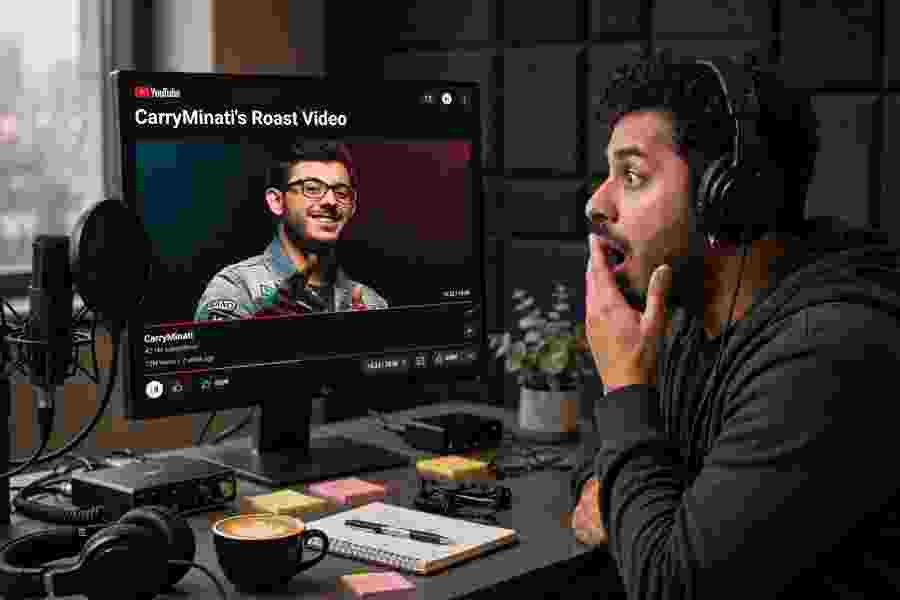
The thumbnail is the new poster, but it’s also a script note. A face must emote strongly. A visual must promise conflict. Subtlety doesn’t sell when you’re scrolling at speed. So the creative system drifts toward exaggeration—not because artists love it, but because attention has become rent.
This doesn’t make writers weak. It makes the environment loud. And loud environments reward loud choices.
Historically, TV’s weekly model created “appointment viewing.” You waited, you discussed, you returned. Streaming shattered that. But the algorithm rebuilt a different appointment: not Wednesday at 9 PM—your next click, right now.
So now many shows are designed like a corridor with no exits. The story keeps you moving. You don’t always know why you’re still watching—you just are.
The tragedy is that real narrative needs breathing space. It needs scenes that don’t “sell,” but deepen. It needs characters who don’t become memes, but become mirrors. When every episode must fight for survival, storytelling becomes a constant pitch.
As a viewer, you can push back quietly. When you reward a slow-burn, you teach platforms that depth can retain too. When you stop clicking on shallow shock, you remove oxygen from it. The algorithm isn’t a god. It’s a mirror made of your collective habits.
The thumbnail era will continue in 2026. The question is whether stories will remain human—or become a sequence of clickable poses.








Leave a Comment
Your email address will not be published. Required fields are marked with *