
Key highlights The old world had one obvious gate: a board, a certificate, a formal process. You could disagree with it, but at least you could see it. The new world is more slippery. Today, a film or series can be shaped long before release—not by a formal censor, but by a chain of invisible
Key highlights
- Formal censorship is visible. Brand-driven control is quiet.
- OTT-era risk management has created invisible filters.
- The result is “safe” storytelling that often feels sterile.
The old world had one obvious gate: a board, a certificate, a formal process. You could disagree with it, but at least you could see it.
The new world is more slippery. Today, a film or series can be shaped long before release—not by a formal censor, but by a chain of invisible pressures: platform policies, advertiser comfort, public outrage cycles, internal compliance teams, and the fear of becoming the next controversy.
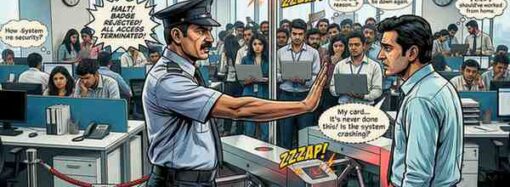
This creates a softer censorship—soft enough to deny, strong enough to shape art. No one says “cut this.” They say “maybe avoid that.” No one says “don’t cast this idea.” They say “it could hurt the brand.” And in a market where funding is fragile, “could hurt” is often enough to silence.
For you as a viewer, this changes the texture of stories. Characters become careful. Conflicts become diluted. Writing avoids sharp edges and replaces them with generic drama. Sometimes you don’t even know what’s missing—you only feel that something is oddly polished and emotionally risk-free.
The tragedy is not censorship alone. It’s cowardice disguised as professionalism. When creators begin to write with fear on their shoulder, you don’t get propaganda; you often get mediocrity. Stories become safe, safe becomes boring, and boring becomes forgettable.
In 2026, the fight isn’t only about “freedom.” It’s about honesty. Cinema needs the courage to be specific. Brands prefer the comfort of being vague. Platforms prefer the safety of being uncontroversial. And audiences, tired of being treated like children, quietly stop caring.
The most powerful censorship isn’t the one that bans. It’s the one that persuades creators to self-edit until nothing sharp remains.






Leave a Comment
Your email address will not be published. Required fields are marked with *