
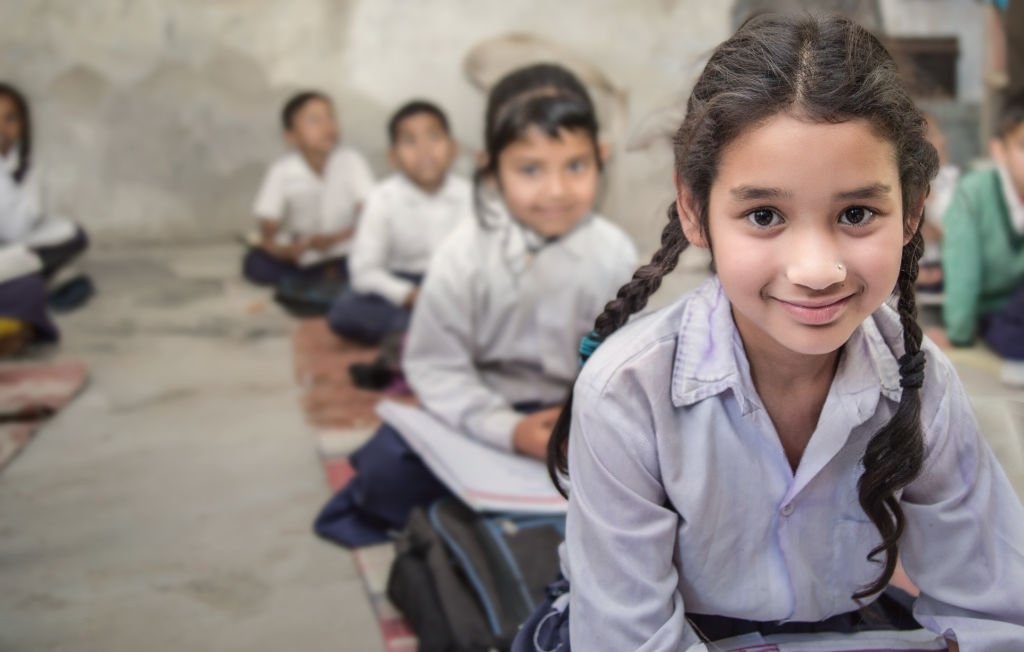
The mental well-being of students has become a critical concern in educational settings worldwide, including India. The stress associated with academic pressures, social dynamics, and personal issues can significantly impact students’ mental health. Integrating mental health counselors into schools can play a pivotal role in addressing these challenges, supporting students’ overall development and well-being. Here
The mental well-being of students has become a critical concern in educational settings worldwide, including India. The stress associated with academic pressures, social dynamics, and personal issues can significantly impact students’ mental health. Integrating mental health counselors into schools can play a pivotal role in addressing these challenges, supporting students’ overall development and well-being. Here we explore the reasons why schools in India should consider having mental health counselors.
Rationale for Mental Health Counselors in Schools
- Early Detection and Intervention: Schools are ideal settings for early identification of mental health issues. Mental health counselors can detect signs of emotional distress, anxiety, depression, or other psychological problems early on. Early intervention is crucial in managing these issues effectively, preventing them from escalating into more severe conditions.
- Support for Academic Performance: There is a strong link between mental health and academic performance. Mental health issues can adversely affect students’ concentration, motivation, and overall learning capacity. Counselors can provide the necessary support to help students manage their mental health, thereby potentially improving their academic outcomes.
- Reduction in Stigma: Having mental health counselors available and visible in schools can help reduce the stigma associated with seeking help for mental health issues. When counseling services are normalized and easily accessible, students are more likely to approach and benefit from them without feeling self-conscious or stigmatized.
- Development of Coping Skills: Mental health counselors can equip students with effective coping mechanisms and problem-solving skills to deal with various life challenges. These skills are invaluable not only during their schooling years but also as they transition into adulthood.
- Support During Crises: In times of crisis, such as family issues, bullying, or trauma, school counselors serve as critical support resources. They can provide immediate emotional support and crisis intervention, ensuring that students do not have to manage these situations alone.
- Enhancing the Educational Environment: A positive school climate and culture are essential for effective learning and student engagement. Mental health counselors can contribute to this by addressing behavioral issues, promoting social skills, and fostering an environment of inclusivity and support.
Challenges to Implementation
While the benefits are clear, several challenges may arise when integrating mental health counselors in schools:
- Funding and Resources: The primary challenge is the allocation of sufficient funding and resources. Many schools, especially in rural or economically disadvantaged areas, may struggle with the financial aspects of employing qualified mental health professionals.
- Training and Qualifications: There is a need for well-trained and qualified mental health professionals who can work effectively with children and adolescents. Ensuring that counselors have the necessary training and adhere to professional standards is crucial for the success of such initiatives.
- Cultural and Societal Attitudes: In many parts of India, there is still a significant stigma attached to mental health. Overcoming cultural barriers and changing societal attitudes toward mental health is essential for these programs to be effective.
- Privacy and Confidentiality: Maintaining students’ privacy and confidentiality is paramount. Schools must implement strict protocols and guidelines to ensure that students’ interactions with mental health counselors are confidential.
Steps Forward
To overcome these challenges, schools can consider several steps:
- Collaboration with NGOs and Government Programs: Schools can partner with NGOs and leverage government programs aimed at improving mental health services to secure funding and resources.
- Awareness and Education Campaigns: Conducting regular awareness programs for students, parents, and staff can help change attitudes toward mental health and emphasize the importance of these services.
- Integrating Mental Health into the Curriculum: Incorporating mental health education into the school curriculum can promote a better understanding and importance of mental well-being among students.
- Continuous Professional Development: Providing ongoing training and development opportunities for counselors ensures they are up to date with the latest practices and techniques in mental health care.
Conclusion
Integrating mental health counselors into schools in India is not just beneficial but necessary. The academic and personal challenges faced by students today require a proactive approach to mental health. By ensuring the availability of qualified counselors, schools can significantly enhance the support structure for students, fostering a more conducive learning environment and promoting overall well-being.












Leave a Comment
Your email address will not be published. Required fields are marked with *