
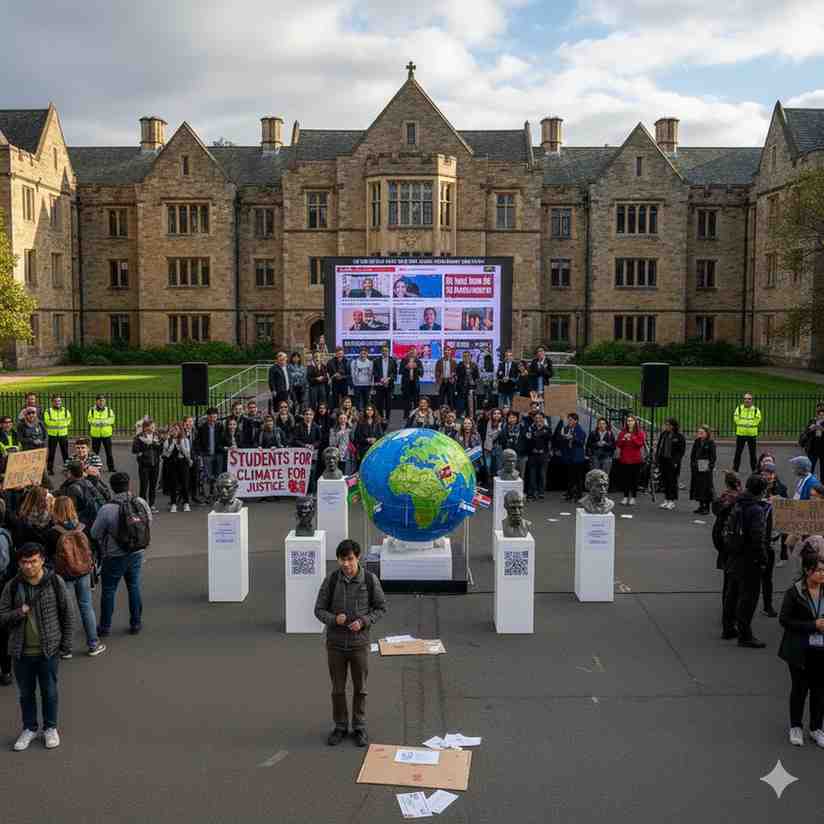
University campuses around the world, including in India, have historically been centers of political thought, debate, and activism. The influence of politics on university campuses is both a celebrated aspect of academic freedom and a contentious issue when it crosses into the realm of influencing administrative decisions, academic appointments, and the curriculum. Nature of Political
University campuses around the world, including in India, have historically been centers of political thought, debate, and activism. The influence of politics on university campuses is both a celebrated aspect of academic freedom and a contentious issue when it crosses into the realm of influencing administrative decisions, academic appointments, and the curriculum.
Nature of Political Influence on University Campuses
- Student Activism:
- Universities are traditional hotbeds for political activism, where students often engage with political ideologies and movements. Student unions and organizations play pivotal roles in advocating for educational reforms, social justice, and other national or global issues. This activism is generally seen as a healthy expression of democratic engagement and intellectual freedom.
- Academic Freedom and Curriculum:
- Political influence can extend to the academic aspects of university life, including the development of curriculum and the appointment of faculty. In some cases, political pressures may lead to the promotion of certain ideologies or perspectives at the expense of academic neutrality and diversity of thought.
- Administrative Decisions:
- Political considerations can influence university governance and administrative decisions. Funding, infrastructure projects, and strategic directions may be swayed by political agendas of those in power, whether at the national or local level.
- External Political Pressures:
- Universities may face pressure from government bodies, political leaders, or other influential groups to align with specific political agendas, restrict certain activities, or promote particular viewpoints. This pressure can compromise the autonomy of universities.
Implications of Political Influence
- Educational Integrity:
- The core mission of universities is to foster a space for free inquiry and learning. Excessive political influence can undermine this mission by biasing research agendas, limiting speech, or dictating educational content.
- Campus Climate:
- Political influence can impact the campus climate by polarizing student populations and faculty. It can either invigorate a culture of debate and discussion or create an environment of tension and suppression, depending on how it’s managed.
- Global Reputation:
- Universities known for maintaining high standards of academic freedom and autonomy often enjoy better global reputations and attract a higher caliber of scholars and students. Political interference can diminish the prestige and attractiveness of academic institutions.
Balancing Political Engagement and Academic Independence
- Policies on Political Activities:
- Universities can develop clear policies that outline the acceptable limits of political activities on campus. These policies should protect academic freedom while ensuring that educational and administrative functions are not hindered by political activism.
- Neutral Governance:
- Ensuring that university governance structures are neutral and predominantly insulated from external political pressures is crucial. Governance should prioritize educational excellence and community welfare above political interests.
- Encouraging Constructive Debate:
- Universities should foster an environment where diverse political ideas can be discussed and debated constructively. This includes hosting talks, debates, and workshops that encourage critical thinking and respectful dialogue across the political spectrum.
- Transparency and Accountability:
- Maintaining transparency in decision-making processes and holding university leaders accountable can help mitigate undue political influence. This approach builds trust within the university community and with the broader public.
Conclusion
While political engagement is a vital part of the dynamic environment of universities, maintaining a balance to ensure that it does not compromise academic integrity or freedom is essential. By fostering policies that support open dialogue and protect the core educational mission, universities can navigate the complexities of political influence while enhancing their role as crucibles of learning and debate.












Leave a Comment
Your email address will not be published. Required fields are marked with *