





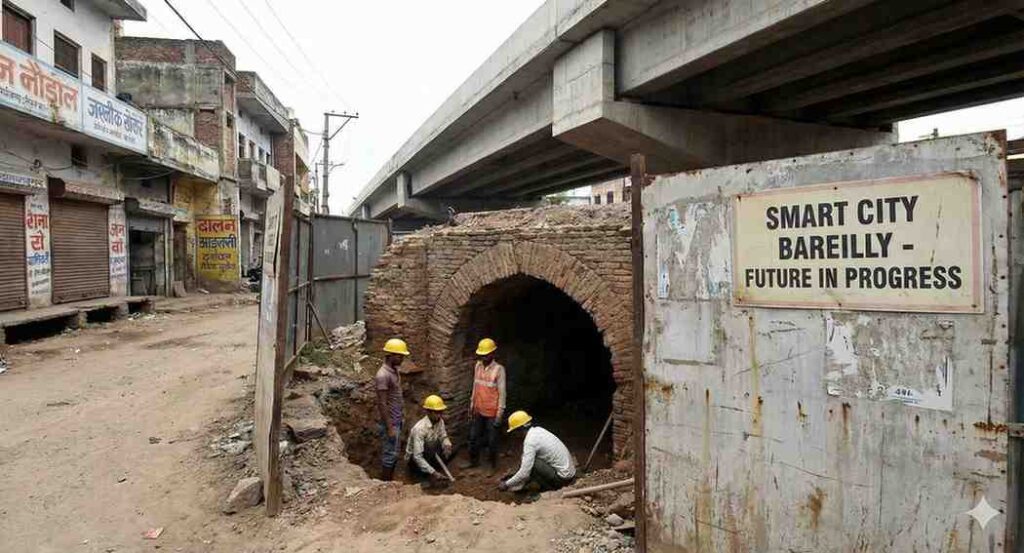
Bareilly, 2025 – Bareilly, a city often associated with its rich cultural heritage and famed “zari” embroidery, is witnessing a wave of modernization. With infrastructural projects, expanded transportation networks, and burgeoning industries, the city is transforming rapidly. However, behind the progress lie lesser-known narratives that question whether this development is truly inclusive and sustainable. The Visible
Bareilly, 2025 – Bareilly, a city often associated with its rich cultural heritage and famed “zari” embroidery, is witnessing a wave of modernization. With infrastructural projects, expanded transportation networks, and burgeoning industries, the city is transforming rapidly. However, behind the progress lie lesser-known narratives that question whether this development is truly inclusive and sustainable.
The Visible Progress
Bareilly’s recent development projects include the construction of new highways, modernization of its railway stations, and the launch of industrial zones aimed at boosting employment. As part of the Smart Cities Mission, the city has also introduced waste management systems, energy-efficient lighting, and digitized public services.
According to official data from the Uttar Pradesh State Industrial Development Authority (UPSIDA), Bareilly’s industrial output has grown by over 25% in the past five years, largely driven by small and medium enterprises (SMEs) in textiles and agro-processing. These developments have positioned the city as a rising economic hub in the region.
The Hidden Costs of Development
Despite its strides in modernization, Bareilly faces significant challenges that often go unnoticed. Rapid urbanization has led to increasing congestion, unplanned growth, and environmental degradation. A report by the Central Pollution Control Board (CPCB) reveals alarming levels of air and water pollution, largely attributed to industrial discharge and vehicular emissions.
Additionally, the city’s informal workforce, including zari artisans and daily wage laborers, struggles to find a place in this new urban landscape. “The focus on industries and infrastructure is leaving traditional artisans behind,” says Ahmed Raza, a local zari craftsman. Many of Bareilly’s cultural artisans are either shifting to other professions or moving to metropolitan cities in search of better opportunities.
Voices from the Ground
While policymakers tout Bareilly’s progress, residents paint a more nuanced picture. Nisha Verma, a social worker, highlights the plight of slum dwellers: “Development projects often displace marginalized communities without offering adequate rehabilitation. Their struggles remain invisible.”
For others, the changes are bittersweet. Ramesh Singh, a small business owner, says, “We’re seeing better roads and facilities, but the rising cost of living is making it hard for middle-class families to cope.”
Toward Inclusive Growth
Experts argue that for Bareilly’s development to be truly impactful, it must address both its visible progress and hidden disparities. Key recommendations include:
- Cultural Preservation: Integrating traditional crafts and artisan industries into the city’s economic development plans.
- Sustainable Planning: Implementing green infrastructure projects to mitigate pollution and promote environmental health.
- Community-Centric Policies: Ensuring marginalized groups are included in decision-making processes and benefit from rehabilitation programs.
The Road Ahead
Bareilly’s transformation underscores the complexities of balancing growth with equity. While its infrastructure and economic achievements are commendable, the city’s long-term success will depend on how well it addresses the voices of those left behind. Only by bringing these untold stories to light can Bareilly achieve development that is both inclusive and sustainable.
References:
- Uttar Pradesh State Industrial Development Authority (UPSIDA) Reports
- Central Pollution Control Board (CPCB) Data
- Resident and Stakeholder Interviews












Leave a Comment
Your email address will not be published. Required fields are marked with *